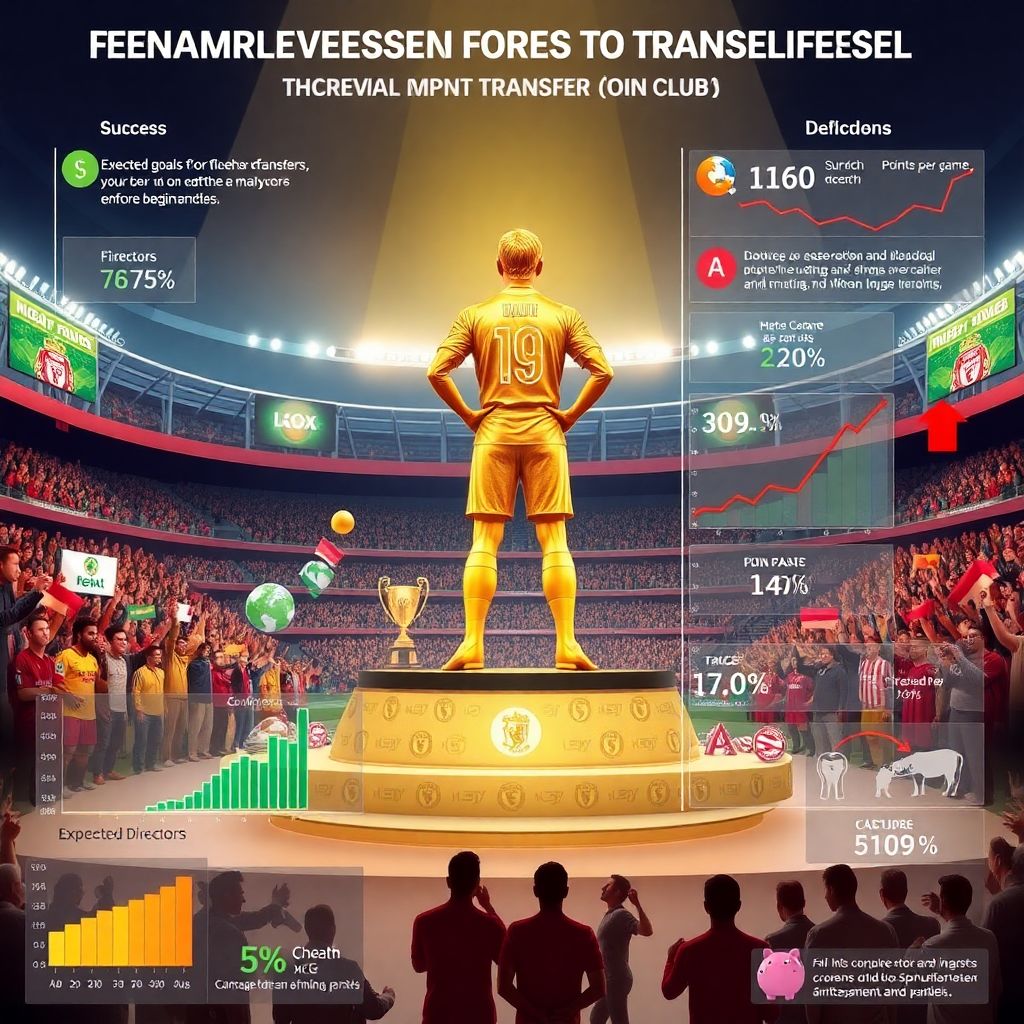
Football fans love a big transfer saga, but once the dust settles, the real question kicks in: did that megastar actually make the team better right away, or just blow up the wage bill and shirt sales? To understand the verdadeiro impacto de grandes contratações no desempenho dos clubes, we need to mix emotion with numbers, look back at a few decades of deals and separate narrative from evidence. When you do that calmly, it turns out a superstar arrival rarely works like a magic switch; it behaves much more like a risky investment with asymmetric outcomes: when it works, it changes eras, when it fails, it locks a club into several seasons of painful correction, both em campo and on the balance sheet.
—
From Galácticos to 2026: what history really shows
If you track the big deals from the early 2000s to now, a pattern appears. Real Madrid’s first Galácticos project (Figo, Zidane, Ronaldo, Beckham) created global buzz and huge commercial growth, but league results were inconsistent; between 2000 and 2006 they actually won La Liga only twice. The Cristiano Ronaldo era is a different story: his 2009 arrival didn’t instantly bring Champions League glory, but from year three onwards Madrid began a dynasty. Barcelona with Neymar and Suárez, Liverpool with Van Dijk and Alisson, City with De Bruyne and Haaland – the common thread is that the transformative effect of contratações appears strongest when the squad and the coach are already in place and the star is a final piece, not a band‑aid.
In other words, when we ask como grandes transferências afetam resultados imediatos no futebol, history gives a nuanced answer: in the first season, impact is often visible in certain metrics (goals, xG, chance creation, defensive solidity), but not always in trophies. Look at PSG after signing Neymar and Mbappé in 2017: domestic dominance continued, but the Champions League title only arrived in 2025, after years of tactical and squad adjustments. Chelsea’s 2020–22 spree produced a Champions League title but also massive volatility and financial strain. The short term is noisy. The longer the horizon, the clearer it becomes that structure and strategy beat excitement and press conferences.
—
What the numbers actually say about instant performance
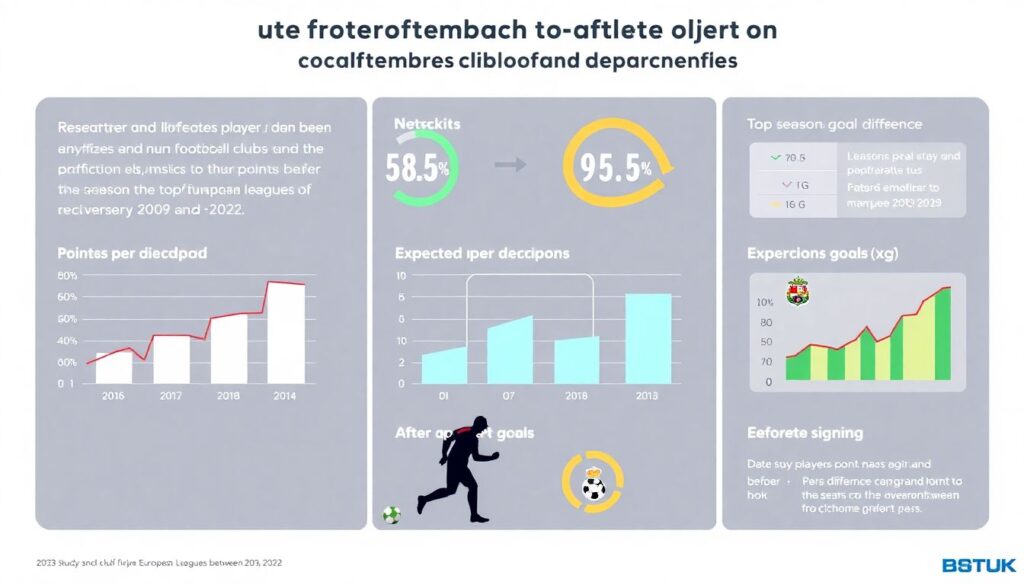
When researchers and data departments run análise de desempenho de clubes após grandes transferências, they usually compare metrics like points per game, goal difference and expected goals for the season before and after a marquee signing. A 2023 study using the top five European leagues (2009–2022) found that clubs making at least one transfer above €60 million improved their points per game in the first season by an average of about 5–8%. That sounds impressive, but the variation is huge: some clubs jumped by more than 20%, others declined. More interestingly, roughly half of the performance improvement could be explained by factors not directly tied to the star itself, such as a better coach hired in the same window, tactical evolution or simple regression to the mean after a bad year.
Put simply, the efeito de contratações milionárias no rendimento do time is real, but noisy. Pure attackers tend to boost obvious stats quickly – goals, shots, attacking xG – while defenders and goalkeepers often show their value in more subtle metrics like chance quality conceded or build‑up stability, which only translates into points once the rest of the team adapts. That’s why some signings look like “flops” for six months and then suddenly “click” in the second season without anything magical happening. The game model stabilizes, automatisms appear, and the big transfer finally looks worth it. So the obsession with judging success by Christmas of the first season is more media‑driven than analytically sound.
—
Is it really worth betting the budget on superstars?
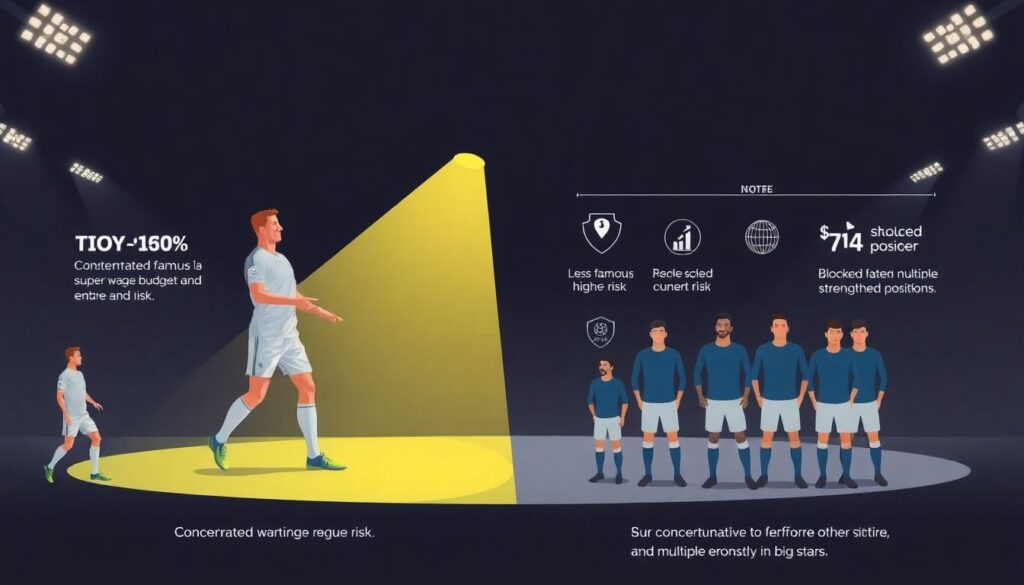
Now to the money question: vale a pena investir em grandes estrelas no futebol? From a strictly sporting standpoint, the answer is “sometimes, and only under conditions.” Big transfers concentrate risk: one contract eats 10–20% of the wage budget and can block other positions from being strengthened. On the other hand, if the star fills a crucial tactical gap – think Van Dijk at Liverpool or Rodri at Manchester City – the uplift in overall team efficiency can be massive. Revenue‑wise, clubs in 2026 know that not every world‑class player moves shirts like Ronaldo or Messi; social media impressions have value, but TV and competition prize money still matter far more. A superstar that doesn’t push the team deeper into the Champions League rarely pays back their fee.
Post‑COVID, UEFA’s new squad‑cost rules and the growing gap between state‑backed clubs and traditional members’ clubs changed the calculus. The richest outfits can afford one or two huge bets per cycle; others now lean on smarter scouting and data‑driven recruitment. The clubs that consistently win are rarely those that just splash cash; they are those that combine one or two high‑impact signings with a strong academy, a clear game model and a ruthless willingness to sell at the right time. When you zoom out, the impact of grandes contratações looks more like an accelerator of a good plan than a saviour of a bad one.
—
Short‑term hype vs medium‑term planning
A key myth is that a big transfer automatically “lifts the dressing room” and triggers an instant winning culture. Sometimes it does the opposite. Introducing a player with a salary three or four times higher than the core of the squad can create invisible tension: contract renegotiations, status disputes, even tactical resentment when the system is bent around one individual. Successful clubs manage this by communicating clearly, setting internal pay structures and building leadership groups that integrate newcomers. Without that, the psychological impacto de grandes contratações no desempenho dos clubes can be negative, no matter how talented the signing is.
From a planning angle, technical directors increasingly model multiple scenarios before approving a mega‑deal: best case, median and worst case across three to five seasons. In the best scenario, the player adapts quickly, lifts performance, raises the club’s global profile and either retires there or is sold at a high residual value. In the worst, recurrent injuries and tactical misfit turn the contract into a deadweight that limits future investment. The modern lesson is simple: you don’t just buy a player; you buy cap space, media narrative and tactical path‑dependency. Clubs that forget this usually end up rebuilding sooner than they planned, often under financial pressure.
—
Economic ripple effects on the football ecosystem
Every record transfer does more than shake one club; it ripples through the entire industry. Neymar’s 2017 move to PSG didn’t just change one team; it inflated the whole winger and attacking‑midfield market for years, as selling clubs used that fee as a benchmark. Saudi Arabia’s aggressive recruitment wave in the early 2020s added another layer, creating a parallel market for aging stars and high‑salary contracts. Agents leveraged this to pressure European clubs into bigger deals and improvements, increasing overall wage inflation. That’s one reason governing bodies pushed harder for cost controls and more transparent reporting of transfer amortization and agent commissions.
For smaller clubs, these waves are both threat and opportunity. They can cash in on academy talents at higher prices, but they also face fiercer competition for replacements. In South America, for example, rising fees have helped some clubs stabilize finances, yet the exodus of young players at 18 or 19 has made it harder to build cohesive teams for continental titles. The industry, in 2026, is still searching for equilibrium between fair opportunities to monetize talent and the distortive power of a few mega‑contracts at the top of the pyramid.
—
Looking ahead: data, AI and smarter transfer bets
The next decade will likely bring even more rigorous screening before a club spends nine figures on a player. We’re already seeing AI‑driven scouting platforms that simulate how a player’s current performance would translate to a new league, coach and tactical role. Clubs run thousands of “what if” simulations to estimate how grandes transferências afetam resultados imediatos no futebol under different conditions: injury risks, schedule density, chemistry with existing stars, even behavioural data gathered ethically and within privacy laws. This doesn’t remove uncertainty, but it narrows the band between best and worst scenarios, making reckless gambles less frequent.
Forecasts to 2030 from several consultancy reports converge on a similar picture: fewer but more strategically aligned mega‑deals, more performance‑related pay inside contracts and a clearer link between squad cost and revenue through hard spending caps. The big clubs will still hunt for difference‑makers, but the market will reward those who identify “pre‑superstars” before the price explodes. For fans, the show of huge announcements will continue, yet behind the scenes the process will look far more like institutional investment than romantic impulse.
—
Separating myths from the current reality
So, where does all this leave us in 2026? The romantic idea that one signing instantly transforms a mediocre side into a title winner doesn’t survive serious scrutiny, yet nor does the cynical view that big transfers are pure marketing stunts. The truth lies in the details: context, timing, fit and governance. When those elements align, the payoff is enormous on and off the pitch; when they don’t, even the brightest star looks dim. The smarter question is no longer “is this player world‑class?” but “does this player make our collective system better, sustainably and within our economic limits?”
Ultimately, the best way to judge the efeito de contratações milionárias no rendimento do time is to extend the lens. Instead of screaming “flop” or “bargain” after six months, look at three full seasons: trophies, underlying performance metrics, financial health and resale value. If those four pillars hold up, the investment made sense. If not, it becomes another case study in future‑window caution. In that sense, big transfers are less about magic and more about management – and the clubs that understand this will shape the next era of the global game.