
Esports organizations in Brazil select and sign pro players through a structured funnel: scouting, data-based evaluation, behavioral screening, legal review, a trial phase, then a formal professional contract. For anyone researching como se tornar pro player de esports, understanding this internal workflow helps you present the right profile at the right moment.
Critical Selection Criteria for Pro Signings
- Consistent high-level performance in ranked, tournaments and scrims, backed by objective data.
- Professional behavior: communication, tilt control, schedule discipline and social media conduct.
- Tactical understanding of the game and ability to apply coaching feedback quickly.
- Health, availability and logistics: ping, time zone, hardware and training routine.
- Legal safety: age, guardians, visas, and eligibility for a contrato profissional para jogador de esports.
- Cultural fit with staff, brand values and existing roster dynamics.
- Reasonable cost structure versus expected impact on results and brand.
Scouting Networks and Talent Pipelines
Scouting networks are how organizations consistently find and compare new players instead of relying on luck or one-off recommendations. For the Brazilian scene (pt_BR), this usually combines ranked ladders, community tournaments, collegiate circuits and internal databases.
This structured pipeline is ideal when an org wants to:
- Monitor dozens of potential recruits in parallel over months.
- Replace veterans gradually without destabilizing the roster.
- Standardize how staff judge candidates from different regions or servers.
- Work more professionally with any agência de talentos para pro players de esports.
However, building a heavy scouting system is not the best move when:
- The organization is very small, semi-amateur, and changes lineup frequently just to participate in local cups.
- The game’s competitive ecosystem is unstable and may not justify long-term investment.
- There is no staff capable of maintaining a database, rating players and updating reports.
- The goal is a short promotional campaign, not sustained competitive performance.
Typical elements of a basic talent pipeline include:
- Open scouting sources: ranked ladder tracking, Discord communities, local leagues, collegiate and university tournaments.
- Closed scouting sources: private trials, scrims with academy teams, internal referrals and coaching staff suggestions.
- Centralized database: spreadsheet or tool where every scouted player has tags (role, MMR, age, region, language, status).
- Clear decision gates: defined thresholds for moving from “scouted” to “interview”, “trial”, and finally “offer” stages.
Many organizações de esports que estão recrutando publicly announce “open tryouts” or “academy projects” precisely to feed this pipeline with more options and data.
Performance Metrics and Data-Driven Evaluation
Data-driven evaluation turns raw gameplay into objective evidence. The goal is to reduce bias and short-term hype, so staff do not sign someone only because of a single good series or social media noise.
To implement this safely, you typically need:
- Stable access to official APIs or third-party tracking tools for the specific game.
- A clear list of performance KPIs by role (e.g., support, IGL, entry fragger, controller).
- A spreadsheet or BI tool to store, filter and visualize player data over time.
- Consent from players if you are collecting non-public or sensitive data (e.g., wellness, private scrim stats).
- Basic data security practices: limited access to sheets, backups, and no unnecessary personal data.
| Aspect | Quantitative Metrics | Qualitative Indicators | Typical Decision Gate |
|---|---|---|---|
| Mechanical skill | KDA, ACS, HS%, damage, farm per minute, objective participation | Aim consistency, clutch reliability, comfort under pressure | Player only advances if metrics are stable across recent patches and tournaments. |
| Game sense | Death locations, utility usage, vision stats, error frequency | Rotations, timing reads, creativity in problem solving | Candidate proceeds if staff confirm that decisions match team’s macro style. |
| Consistency | Variance of performance over weeks or events | Emotional stability after losses, resilience | Player moves to interview if no extreme drops after patch or role changes. |
| Team impact | Win rate with/without player in similar ELO and roles | Shotcalling value, synergy, communication clarity | Offer a trial only if staff see clear added value beyond raw stats. |
When connecting this to salary and benefits of a professional esports player (salário e benefícios de jogador profissional de esports), many orgs informally bracket candidates into tiers based on objective impact and rarity of the profile, always respecting Brazilian labor and minor-protection laws.
Behavioral Assessment and Cultural Fit
Before detailed steps, consider these risk-focused constraints:
- Never sign minors without proper guardian consent and compliant contracts.
- Avoid evaluating players solely from public drama; verify context and both sides.
- Do not collect or share sensitive personal data beyond what is necessary to evaluate fit.
- Ensure any tests or interviews avoid discrimination based on protected characteristics.
- Document every decision gate so rejected candidates can be treated fairly and consistently.
The workflow below describes a safe, step-by-step process that organizations can follow to assess behavior and culture before offering a contrato profissional para jogador de esports.
-
Define behavioral and cultural criteria
Clarify what “good behavior” means for your org and game. Translate vague ideas like “mature” or “professional” into observable behaviors.
- Examples: never AFKs scrims, always on time, constructive comms, respects staff, no hate speech.
- Align this list with brand guidelines and sponsor expectations.
-
Run structured background checks
Review in-game reports, past team feedback and public content. Focus on patterns, not isolated mistakes.
- Look at match chats, public VODs, Twitch clips, Twitter/X history.
- When possible, ask previous staff or teammates for factual, not emotional, feedback.
-
Conduct standardized interviews
Use the same core questions for every candidate in the same role to keep the process fair and legally safer.
- Explore conflict resolution, tilt control, feedback acceptance and life routine.
- Avoid invasive questions on topics unrelated to esports performance or safety.
-
Observe live scrim communication
Invite the player for test scrims with the prospective roster. Record or take notes about tone, clarity and discipline.
- Check if they follow IGL calls, avoid blaming, and communicate solutions.
- Mark red lines: insults, griefing, rage quits or refusal to cooperate.
-
Apply a simple decision matrix
Combine performance and behavior in a visible grid to support objective decisions.
- Example: rate “Mechanics”, “Game sense”, “Teamwork”, “Discipline”, “Brand fit” from 1-5.
- Define a minimum average score and mandatory “no red flag” boxes to advance to the offer stage.
-
Introduce a probation or trial stage
Instead of committing to a long-term deal immediately, use a short, clearly defined trial contract or amateur agreement.
- Specify duration, expectations, compensation and conditions to convert into a full professional contract.
- Ensure Brazilian labor law is respected even during trials, especially if there is regular work-like activity.
-
Finalize decision with multi-stakeholder review
Before sending a contract, review all evidence with coaching staff, management, legal and, when appropriate, sports psychology.
- Reject or postpone if any area identifies high legal, reputational or internal conflict risk.
- Only proceed when behavior, culture and performance align with your long-term strategy.
Contract Structures, Buyouts and Negotiation Tactics
After the technical and behavioral evaluation, organizations formalize the relationship through contracts. The checklist below helps verify if the result is safe, balanced and realistic for both club and player.
- The written contract clearly describes role, workload, practice hours, tournament commitments and content obligations.
- All clauses respect Brazilian labor law and, for minors, include guardian signatures and appropriate protections.
- Compensation, bonuses and any salary and benefits of a professional esports player are detailed, including late-payment rules.
- Intellectual property and image rights clauses are specific about what the org can use, where, and for how long.
- Buyout terms are clear, not abusive, and realistically reflect the level of the player and market.
- Duration and renewal conditions are reasonable; there is no excessive lock-in without fair compensation or progression paths.
- Termination scenarios (with or without cause) are defined, including procedures for warnings and appeals.
- Confidentiality and non-disparagement clauses are balanced and do not silence reporting of abuse or illegal activity.
- Any exclusivity requirements (streaming platforms, sponsors, brands) are transparent and compensated if they limit player income.
- Both sides have had the chance to review the contrato profissional para jogador de esports with independent legal counsel.
Trial Periods, Scrims and Bootcamp Evaluation
Trials, scrims and bootcamps should confirm that the player will work long term in a healthy, productive way. Some frequent mistakes during this phase can create legal, reputational and performance problems.
- Lack of written terms for trials, leading to misunderstandings about payment, duration and expectations.
- Overloading players with extreme training volume without medical or psychological monitoring.
- Treating trial players as “free labor” for content or marketing without clear consent or compensation.
- Ignoring feedback from existing roster members about communication or trust issues.
- Using only short, highlight-style scrims instead of varied scenarios (early game, behind, comeback situations).
- Failing to document trial performance, making the final decision emotional rather than evidence-based.
- Publicly announcing “almost signed” players before contracts are finalized, which can damage reputations if the deal fails.
- Not defining who has final decision power (coach, GM, CEO), causing internal conflict and mixed messages to players.
- Skipping rest days during bootcamps, increasing burnout risk even before the season begins.
- Letting toxic behaviors pass because the player is a mechanical “star”, which later harms team culture.
Onboarding, Development Plans and Retention Strategies
Once a player signs, the priority shifts to integrating, developing and retaining talent safely. When a full structure is not possible, there are alternative arrangements that still respect the player and the law.
- Affiliate or academy teams: Use semi-professional lineups to test talent in official competitions with lower financial commitment, while still offering written agreements and basic support.
- Short-term project contracts: For specific splits or events, use clear, time-limited contracts with defined goals instead of long, multi-year deals.
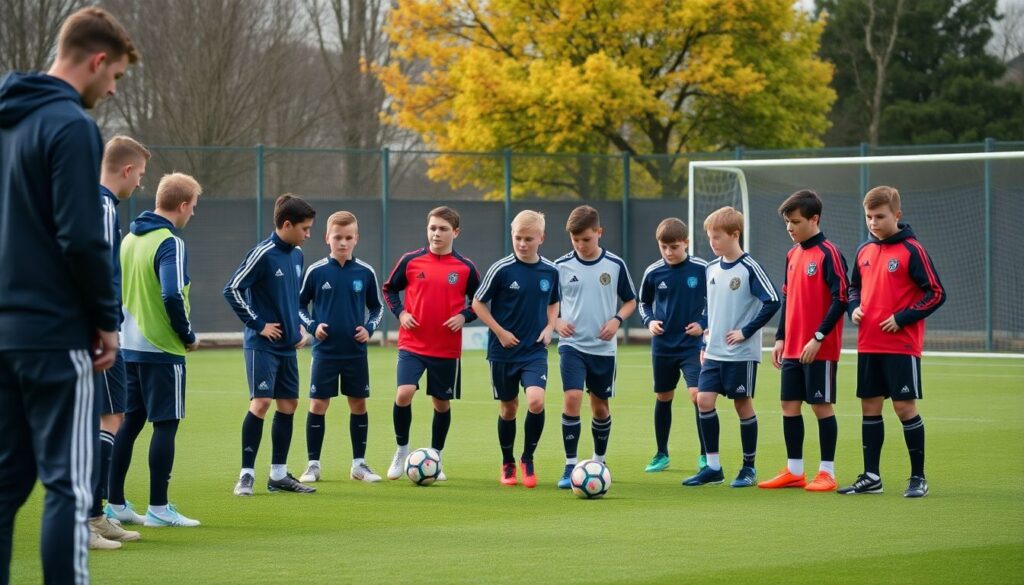
- Partnership with local clubs or schools: Share scouting and development responsibilities with football clubs, schools or universities that already manage minors and training infrastructure.
- Collaboration with a reputable talent agency: When working with an agência de talentos para pro players de esports, formalize expectations in writing and ensure they do not charge abusive fees to players.
For players studying como se tornar pro player de esports, understanding these alternatives helps them navigate offers from different tiers of organizations and recognize when conditions seem unsafe or disproportionate.
Common Concerns and Practical Clarifications
How do organizations usually discover new Brazilian players?

They combine ranked ladder scouting, community tournaments, collegiate leagues, recommendations from trusted coaches and open tryouts. Some also monitor social media and streaming platforms but always cross-check public hype with in-game and scrim performance data.
Is a written contract always necessary for a pro player?
Yes. If the organization defines schedules, obligations and uses a player’s image commercially, a written agreement is essential. It protects both sides and clarifies payment, duration, termination conditions and rights to content and branding.
What should a player check before signing an esports contract?
They should verify salary, benefits, duration, buyout, termination clauses, content and sponsor obligations, and rights to their image and content. It is strongly recommended to have an independent lawyer or experienced agent review the document.
How do orgs balance stats with personality and behavior?
Most professional setups use a combination of performance data, VOD review, interviews and scrim observation. Very strong stats can open doors, but repeated toxic behavior, unreliability or poor communication usually block signings even for mechanically gifted players.
Are trial periods paid in professional esports?
Practices vary, but when trials involve sustained, scheduled activity similar to work, compensation or clear benefits should be provided. At minimum, terms should be written, with defined duration and expectations, to avoid exploitation or misunderstandings.
Can minors sign with esports organizations in Brazil?
Yes, but only with proper legal structure, including guardian consent and compliance with child and adolescent protection laws. Training load, travel and public exposure must respect age-related limits, and contracts need adapted clauses.
Do all organizations use talent agencies?
No. Some clubs work directly with players, while others partner with agencies to streamline negotiation and talent identification. Players should research the reputation of any agency and avoid those that demand abusive commissions or unclear fees.