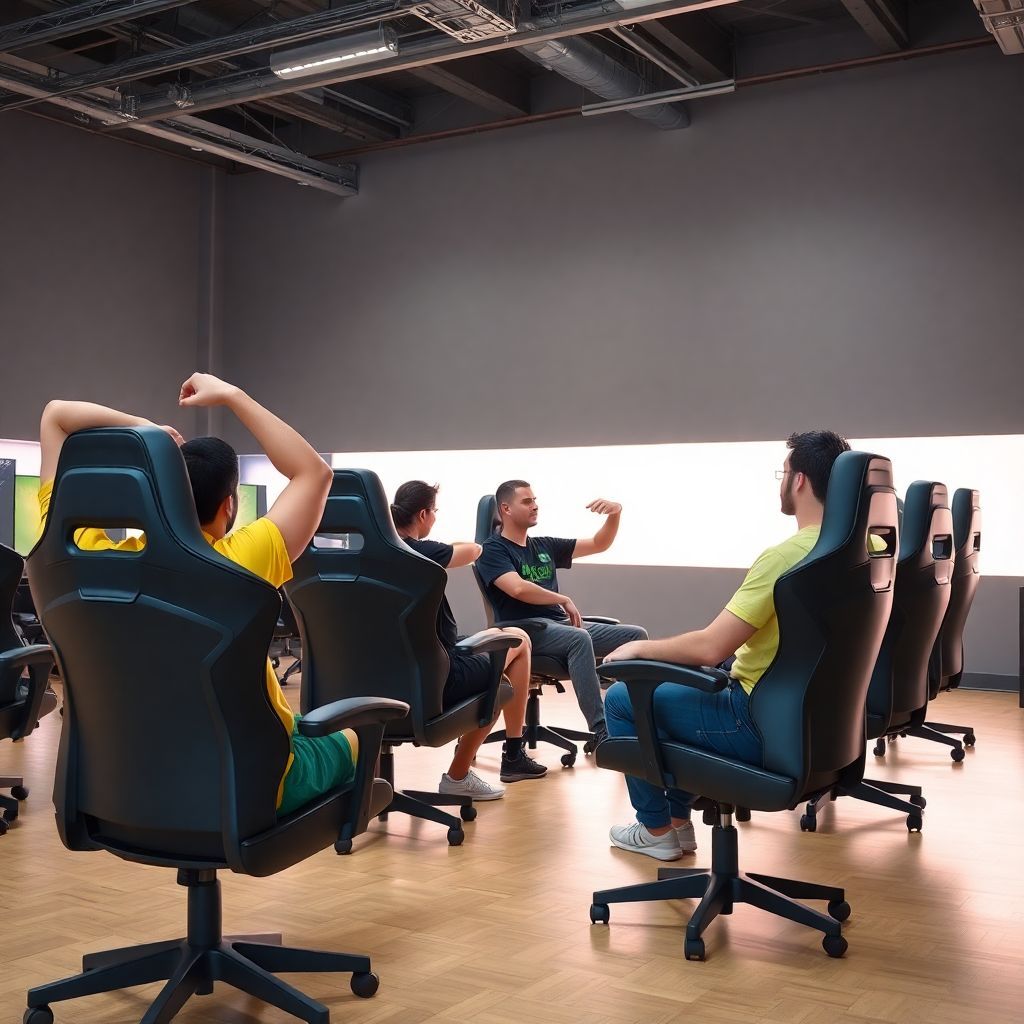
E-sports can be healthy if you control posture, screen time, sleep, and mental load. Main risks are musculoskeletal pain, eye strain, sleep disruption, anxiety, and burnout. For Brazilian players, combine basic ergonomics, regular breaks, physical conditioning, and early psychological support to keep performance high while protecting long-term health.
Concise overview: primary risks and immediate actions
- Limit continuous play to short blocks, with a brief break at least every 45-60 minutes to reduce pain and eye strain.
- Adjust chair, monitor height, keyboard, and mouse to a neutral joint position before ranked or scrim sessions.
- Protect sleep: fixed sleep/wake times, avoid ranked queues 60-90 minutes before bed, dim lights and screens.
- Track early signs of mental overload such as irritability, loss of joy in the game, and compulsive grinding; reduce volume and seek help.
- Perform simple daily mobility and strengthening exercises for wrists, shoulders, and back to support lesões em jogadores de e-sports prevenção.
- Eat regular meals, drink water, and maintain basic cardio training to avoid long-term metabolic and cardiovascular issues.
Physical strain in competitive play: posture, repetitive stress and injury mechanisms
This guide is for amateur to professional Brazilian players, staff, and parents who want to understand e-sports saúde mental riscos and physical risks without stopping competitive play. Do not follow this guide as a substitute for medical evaluation in case of strong pain, numbness, fever, recent trauma, or sudden strength loss.
Main physical mechanisms to watch:
- Neck and upper back overload: forward head posture, rounded shoulders, monitor too low or too far away.
- Wrist, hand, and forearm strain: high mouse sensitivity without support, aggressive keyboard spam, repeated micro-movements for hours.
- Lower back discomfort: lack of lumbar support, sitting on the edge of the chair, hips lower than knees.
- Static posture fatigue: holding the same position for long scrims, no breaks, tense shoulders.
Quick self-check before a session:
- Can you sit with feet flat on the floor, knees about hip height, and back supported?
- Are your forearms roughly parallel to the floor, with wrists straight, not bent up or down?
- Is the top of the monitor at or slightly below eye level, at about one arm’s length?
- Can you relax your shoulders while aiming, or do they stay raised and tense?
If at least two answers are negative, adjust your setup before the next ranked match. When thinking about ergonomia para gamers profissionais cadeira e setup, prioritize adjustable height, firm lumbar support, and enough desk depth for your keyboard, mouse pad, and forearms.
When to stop and seek professional help:
- Pain that persists for more than a few days even during rest.
- Numbness, tingling, or weakness in fingers, hand, or arm.
- Pain that wakes you at night or clearly worsens during play.
Eyes under pressure: digital eye strain, binocular issues and practical relief
To protect your vision and reduce digital eye strain you will need a minimal set of tools and habits. They are easy to apply in most Brazilian home or gaming house environments.
Basic requirements and helpful tools:
- Monitor setup
- Stable brightness, not at maximum; avoid big contrast between screen and room.
- Top of screen at or slightly below eye level, at about one arm’s distance.
- Avoid facing windows directly behind the monitor to reduce glare.
- Lighting control
- Warm, indirect light behind or beside the monitor instead of a single strong light above.
- Use curtains or blinds to manage daylight reflections.
- Software settings
- Enable blue-light reduction in the evening on PC, console, and smartphone.
- Increase font and interface size so you never need to lean forward to read.
- Eye-care accessories (optional)
- Non-prescription artificial tears if you feel dryness; consult an eye doctor if daily use is needed.
- Gaming glasses with light filtering, if you feel they help comfort, but do not rely on them alone.
- Daily habits
- Use the 20-20-20 rule: every 20 minutes, look at something 20 feet (about 6 m) away for 20 seconds.
- Blink consciously for a few seconds between rounds or during queues.
Seek professional evaluation if you experience headaches, double vision, frequent blurred vision, or if you must squint or lean very close to the screen to see details clearly.
Sleep, alertness and cognitive recovery: optimizing circadian health for peak performance
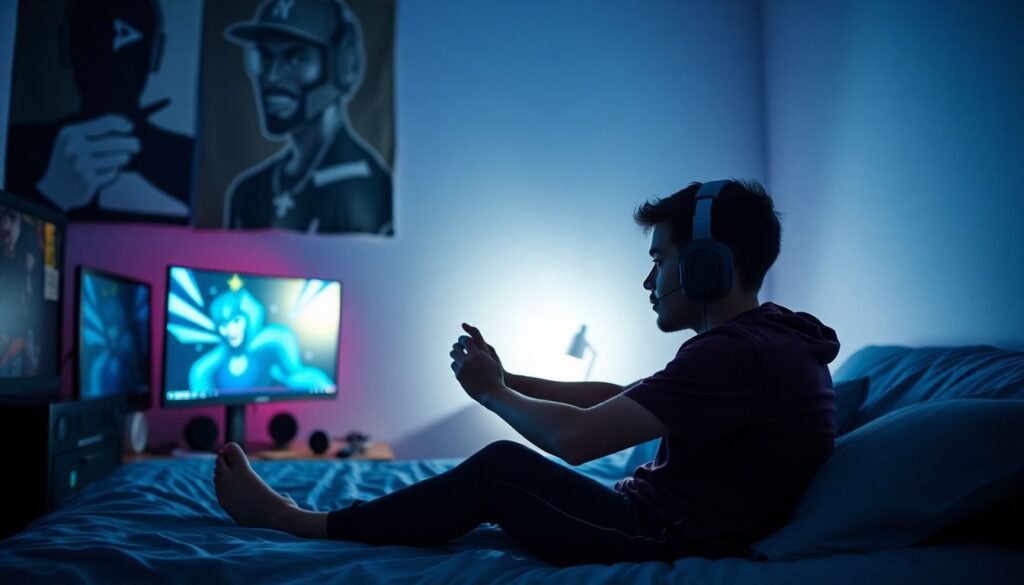
- Define a realistic sleep window
Aim for a fixed nightly window that fits your scrim and school/work schedule. Most players need a consistent minimum number of hours; do not shift bedtime by several hours between weekdays and weekends. - Limit intense play before bed
Stop ranked, tournaments, or high-intensity practice 60-90 minutes before your target sleep time. Use this period for reviews, light aim training, or non-competitive games at lower arousal. - Manage light exposure
In the last hour, dim room lights and enable warm screen color modes. In the morning, expose yourself to natural light soon after waking to stabilize your internal clock. - Create a short pre-sleep routine
Repeat the same simple sequence each night so your brain links it with sleep.- Stretching or mobility for 5-10 minutes.
- Light hygiene (shower, brushing teeth) without phone use.
- Quiet activity away from screens, like reading or breathing exercises.
- Plan naps strategically
If you must nap, keep it short and early.- Limit naps to about 20-30 minutes.
- Avoid napping within 7 hours of your planned bedtime.
- Control caffeine and energy drinks
Avoid caffeine later in the day. For most players, energy drinks should be limited to earlier periods of tournaments, never close to bedtime. - Review and adjust weekly
Once a week, note your typical sleep and wake times, perceived energy, and performance quality. If you are constantly sleepy, irritable, or making simple mistakes, reduce late-night grinding even if you feel motivated.
Fast-track version
- Choose fixed sleep and wake times that you can respect most days.
- Stop competitive matches at least one hour before bed and dim lights and screens.
- Avoid caffeine and energy drinks after the middle of the afternoon.
- Use a short, repeated routine (stretching, hygiene, quiet time) just before sleep.
- Adjust volume of play if you feel constantly tired or unfocused.
Mental load and resilience: burnout, anxiety, addiction signs and early interventions
Use this checklist to quickly review your current mental state related to training and competition. If multiple points match your reality, consider reducing volume, talking to staff or family, and seeking professional support, including tratamento para ansiedade e burnout em jogadores de e-sports with a qualified psychologist or psychiatrist.
- You feel pressure to play almost all your free time and become anxious when you cannot queue.
- Matches that used to be fun now feel like pure obligation or fear of losing rank.
- You regularly hide or lie about your actual playtime from parents, partner, or coach.
- Your school, work, or relationships are clearly getting worse because of gaming time or tilt.
- You often play through headaches, strong fatigue, or illness, ignoring your body’s signs.
- Sleep is short or irregular because you always want “one more game” late at night.
- You experience frequent irritability, anger outbursts, or toxic behavior in chat or voice.
- You feel persistent sadness, emptiness, or lack of motivation outside games.
- You use alcohol or other substances to calm down after tilt or to feel ready to play.
- You have thoughts of self-harm or feeling that your value depends only on game results.
In case of thoughts of self-harm or suicide, contact emergency services or local crisis lines immediately and inform someone you trust; performance and results are secondary to your safety.
Lifestyle risks: nutrition, hydration, cardio fitness and metabolic pitfalls
These are frequent mistakes among Brazilian players and teams trying to maximize practice volume without planning lifestyle basics. Use them as “red flags” to adjust behavior and decide when to seek coaching or medical guidance.
- Skipping most meals during the day and eating heavily only late at night after long sessions.
- Relying on fast food and delivery almost every day instead of basic homemade options.
- Using multiple energy drinks or strong coffee daily as the primary way to stay awake.
- Drinking very little water; dark urine and frequent headaches become “normal”.
- Spending almost all free time sitting: no walks, no basic cardio, no strength training.
- Not standing up between games, which increases stiffness and circulatory risk over time.
- Ignoring gradual weight gain or loss as long as in-game performance seems stable.
- Rarely doing medical check-ups, even if you feel heart palpitations, chest discomfort, or dizziness.
- Believing supplements can replace balanced meals and regular physical activity.
- Drinking alcohol frequently after scrims or tournaments as a routine way to relax.
Prevention blueprint: ergonomics, periodization, monitoring and rapid-response protocols
Different situations call for different strategies to como evitar problemas de saúde jogando e-sports. These options can be combined depending on whether you are an amateur, semi-pro, or professional in Brazil.
- Ergonomic-first strategy
Suitable if you already train a lot but have not optimized ergonomia para gamers profissionais cadeira e setup. Focus your first month on:- Adjustable chair and desk, plus monitor and peripheral positioning.
- Standardized warm-up and cool-down with short stretching blocks.
- Mandatory micro-breaks every 45-60 minutes of intense play.
- Training volume and periodization strategy
Ideal when you feel chronic fatigue, tilt, or plateau despite good hardware.- Divide your week into heavier and lighter training days.
- Schedule at least one lower-intensity day with more review and less ranked volume.
- Include deload periods during off-season or between splits to avoid burnout.
- Health monitoring and early intervention strategy
Recommended for teams and dedicated streamers with high exposure.- Track sleep, mood, pain, and training volume with simple daily notes.
- Define clear rules: persistent pain, strong mood changes, or insomnia trigger a medical or psychological evaluation.
- Offer confidential access to mental-health professionals familiar with e-sports saúde mental riscos.
- Minimalist safety strategy for casual and student players
For players with limited time and resources:- Apply the most basic posture fixes and regular breaks.
- Keep a consistent bedtime on school/work days.
- Prioritize water over energy drinks and add at least a few short walks per week.
Typical concerns answered with actionable guidance
How many hours per day can I play e-sports safely?
There is no single safe number of hours for everyone. Instead, break total time into blocks of about 45-60 minutes with short breaks, monitor pain, sleep, and mood, and reduce volume if any of these start to get worse.
What is the minimum ergonomic setup I need at home?
You need a stable chair with some lumbar support, a desk that allows your forearms to rest, and a monitor at or slightly below eye level at arm’s length. Keep wrists straight, shoulders relaxed, and feet flat on the floor or a footrest.
How can I reduce wrist and hand pain without stopping practice completely?
Reduce peak volume first: shorter blocks with breaks, less unnecessary spam, and lower tension on the mouse and keyboard. Add daily stretching and strengthening exercises and seek evaluation if pain persists or if you feel numbness or weakness.
When should a player look for professional mental-health help?
Seek help when anxiety, sadness, or irritability last for weeks, or when gaming begins to damage school, work, or relationships. Immediate help is urgent if there are thoughts of self-harm, extreme burnout, or use of substances to cope.
Can I still become a pro if I sleep late every day?
Irregular and short sleep undermines reaction time, decision-making, and emotional control. You may see short-term gains with more grinding, but stable high performance and long careers almost always require consistent, adequate sleep.
Are energy drinks safe for e-sports players?
Occasional use in small amounts may be acceptable for healthy adults, but frequent or high-dose use increases strain on the heart and can worsen anxiety and insomnia. Prefer sleep, hydration, and nutrition as your main performance tools.
How can parents support a teenager who wants to focus on e-sports?
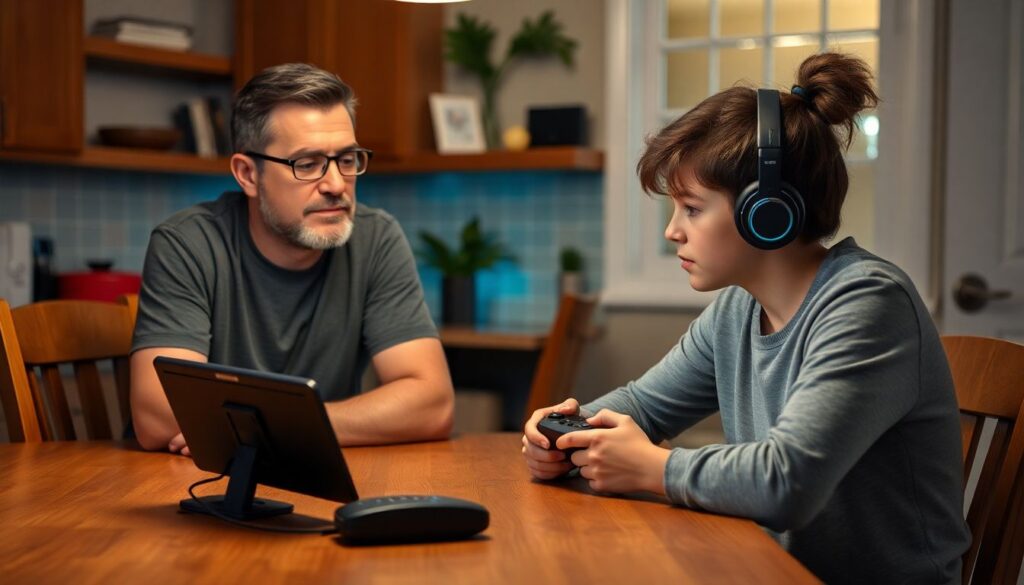
Help set limits for playtime, ensure school responsibilities are met, and support healthy routines like sleep, meals, and exercise. Encourage open conversations about stress and tilt, and consider professional guidance if mood or behavior changes significantly.