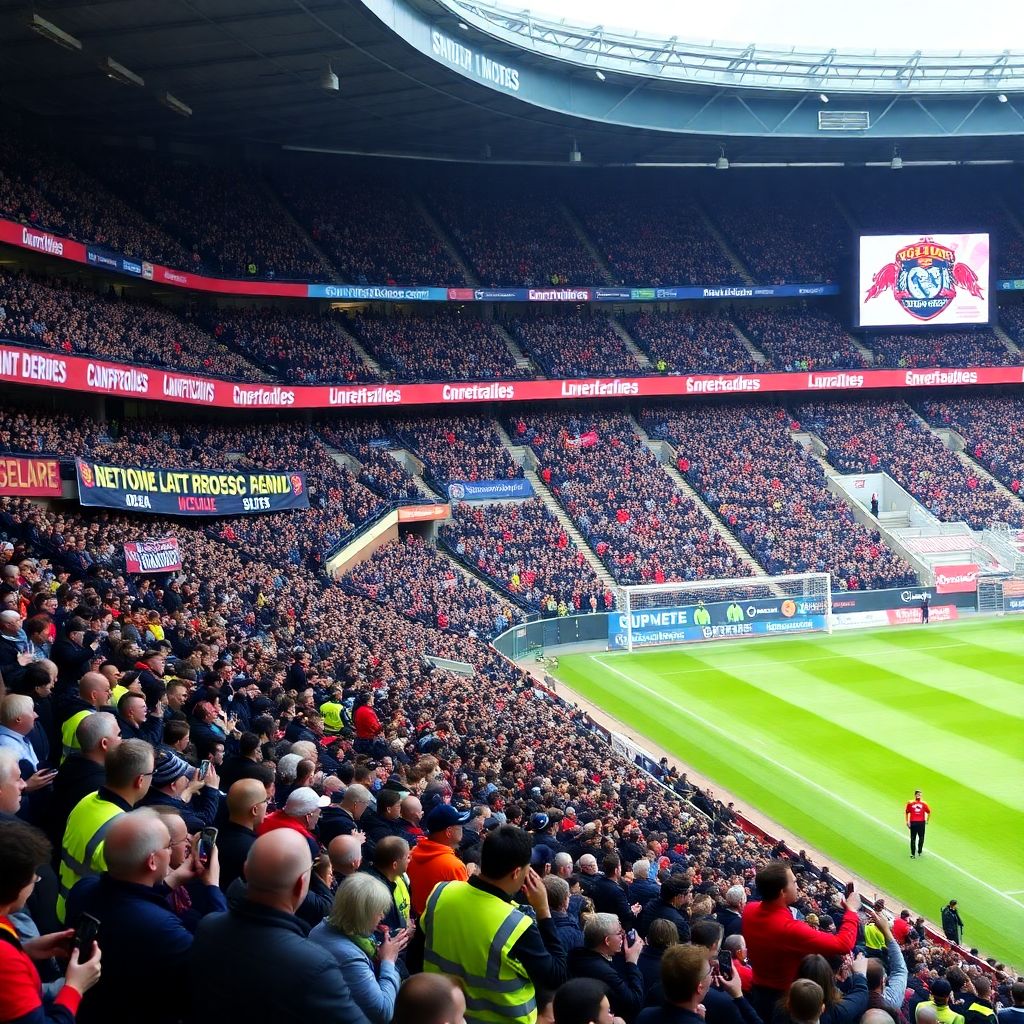
Sports promotions on derby days work best when they combine simple mechanics, rivalry storytelling and clear safety controls. Define priority fan segments, choose one core incentive, and activate it across stadium, TV and mobile with consistent rules. Track redemptions, engagement and sales, then refine quickly for the next clássico.
Matchday promo prep checklist for rival fixtures
- Define one primary objective for derby day (data capture, sales uplift, app installs or brand preference).
- Map key fixtures where promoções esportivas em dias de clássicos make sense for your brand and risk level.
- Align with clubs, leagues and broadcasters on rights, trademarks and timing windows in Brazil.
- Set a realistic budget for rewards, media, production and in-stadium staff.
- Prepare clear T&Cs in Portuguese, including eligibility, limits and complaint channels.
- Align legal, compliance and customer service teams before announcing anything publicly.
- Draft a simple post-match review template (results, learnings, next clássico opportunities).
Micro-case: A Brazilian soft drink brand chose three derbies in one season, focused on app registrations, limited rewards to digital coupons, and pre-approved all assets with clubs and legal, reducing last-minute stress and execution risk.
Identifying fan segments and peak engagement windows
- Segment your audience by rivalry intensity: hardcore torcedores organizados, regular season-ticket holders, casual TV viewers, and family groups.
- Use past campaign and ticketing data to see who actually responds to campanhas promocionais para torcedores em jogos decisivos.
- Define negative segments where you will not target promos (problem gamblers, self-excluded users, minors, sensitive categories).
- Map engagement peaks around the clássico: ticket release, week-of build-up, matchday pre-game, half-time and post-result.
- Mark moments to avoid: immediately after serious injuries, stadium incidents or highly controversial referee decisions.
- Adapt timing for digital vs in-stadium audiences: mobile pushes earlier, stadium screens closer to kick-off.
Micro-case: An e-commerce brand saw that most derby traffic peaked two hours before kick-off and at half-time, so they shifted their flash discount windows to those slots instead of full-time, improving safe and relevant engagement.
Crafting rivalry-driven offers that convert
- Choose a simple mechanic: score-based discounts, rivalry-themed bundles, or limited-edition merchandise tied to both clubs.
- Ensure any incentive is non-violent and positive, celebrating rivalry without inciting hate or dangerous behavior.
- Match reward type to audience: family-friendly packs for stadium fans, digital vouchers for streaming viewers, loyalty points for frequent buyers.
- Set clear caps, time limits and per-person limits to protect budget and prevent abuse.
- Align offers with regulations: avoid tying alcohol or betting rewards to performance of individual players or minors.
- Use rivalry storytelling in copy and design, but keep language respectful and compliant with league codes.
- Test phrasing with local fans to ensure ações de marcas em clássicos de futebol feel authentic, not forced or offensive.
Micro-case: A food delivery app created a rivalry bundle where each club had a themed combo; users picked a side and unlocked a small delivery discount, avoiding risky performance-based promises.
Choosing channels and in-stadium activation mechanics
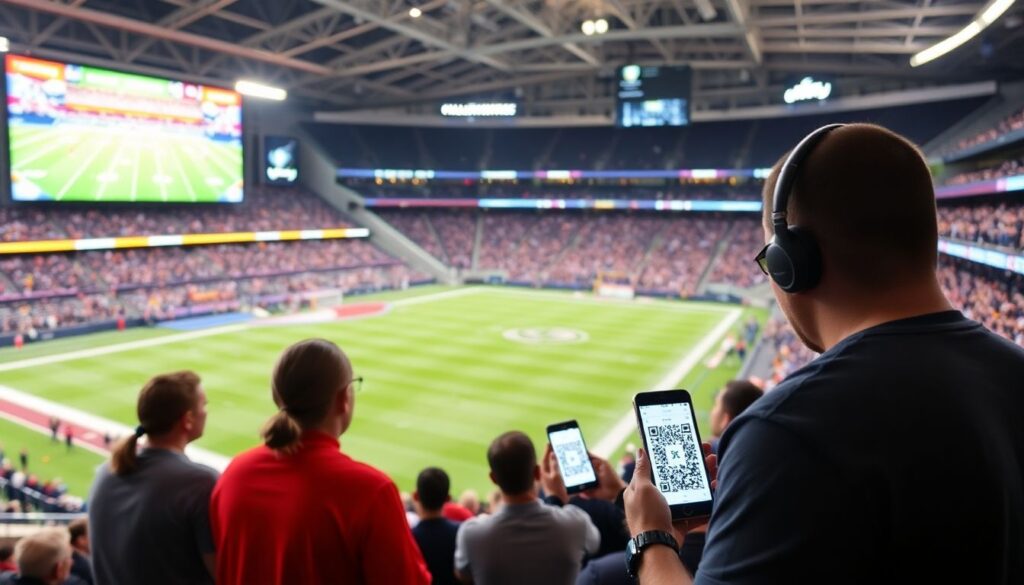
Before setting the step-by-step flow, check these preparation points for safe execution:
- Confirm stadium permissions for screens, audio mentions and any physical presence.
- Ensure Wi-Fi or mobile coverage is sufficient for QR codes, apps or payment links.
- Train in-stadium staff on promo rules, escalation paths and crowd safety basics.
- Prepare backup messages if weather, delays or incidents force you to pause promotion.
-
Map channels to each fan moment
Identify where fans will be: social, TV, streaming, radio, stadium, bars, or second-screen apps. Allocate one primary and one support channel per phase to keep operations safe and manageable. -
Design low-friction entry mechanics
Use QR codes on big screens, short vanity URLs on commentary, or in-app banners. Avoid complex forms; focus on one tap or scan to join. -
Coordinate with broadcasters and clubs
Align on when commentators can mention promoções esportivas em dias de clássicos and show graphics. Respect broadcast rules on gambling, alcohol and kids content. -
Implement in-stadium triggers
Choose safe match events as triggers, such as total corners or shots, not aggressive events like yellow cards for rough play. Prepare pre-approved messages for each trigger. -
Sync digital and physical touchpoints
Ensure that what appears on stadium screens matches push notifications, social posts and landing pages, avoiding confusion or complaints. -
Set up monitoring and stop rules
Monitor social sentiment, stadium atmosphere and any operational issue. Pre-define conditions to pause or stop the promotion for safety or compliance reasons.
Micro-case: A Brazilian telco combined TV mentions with a stadium QR code during half-time. Fans scanned to win extra data if their team led, while a safety rule allowed the brand to pause the mechanic in case of crowd trouble.
Creative concepts and concise case studies
- Check that the main idea can be explained in one sentence without legal jargon.
- Confirm that all visuals avoid violence, substance abuse and offensive rivalry tropes.
- Ensure both clubs, if present, are represented fairly to reduce backlash risk.
- Run the copy through local legal review, especially in Brazil, for claims and mandatory disclosures.
- Test copy and visuals with a small fan group before public launch.
- Prepare at least one localized version for social channels and one for stadium screens.
- Plan a neutral fallback visual in case a tragedy or major incident forces you to tone down rivalry messaging.
- Document one internal micro-case from each derby to build a playbook for futuras estratégias de marketing esportivo para dias de clássico.
Micro-case: A banking app used a split-screen creative with two captains shaking hands, offering a cashback bonus for card payments made on matchday, focusing on fair play instead of rivalry aggression.
Compliance, brand safety and operational risk controls

- Do not launch promos that could be perceived as encouraging violence, hate speech or dangerous behavior between rival fans.
- Avoid incentivizing excessive alcohol or risky betting, especially around younger audiences.
- Never use players or club marks without written authorization from rights holders.
- Respect local privacy laws when collecting data and always obtain explicit consent.
- Prepare a customer support script to handle complaints, refund requests and confusion.
- Set daily and total reward caps in your system to avoid overspending caused by technical errors.
- Create a crisis playbook with sample statements if something goes wrong during the derby.
- Keep records of terms, approvals and communications for future audits.
Micro-case: A betting operator switched from performance-based free bets to safer score predictor games with virtual points only for underage segments, aligning with regulations while still learning como atrair fãs de futebol com promoções de forma responsável.
KPIs, attribution models and post-match optimization steps
- Track core indicators such as participation rate, cost per participant, incremental sales, app engagement and new registrations.
- Choose a simple attribution model: last-touch for quick views, or time-based for longer derby build-ups.
- Compare derby-day behavior with similar non-derby matches to measure the extra lift from ações de marcas em clássicos de futebol.
- Log insights into a derby dashboard, feeding future campanhas promocionais para torcedores em jogos decisivos with better targeting and timing.
Micro-case: A streaming service saw that derby-day signups came mostly from email reminders sent the previous day, so they shifted budget from live social ads to pre-match CRM and improved overall performance.
Quick answers sports marketers need on derby promotions
When should brands avoid running derby-day promotions?
Avoid promos during periods of social tension, recent incidents between rival fans, or when security authorities raise specific concerns. Also pause if your internal risk, legal or compliance teams are not fully aligned or do not have time to review.
How far in advance should I plan a clássico promotion?
Start at least one full fixture cycle ahead so you can secure rights, approvals and production slots. This allows enough time for legal checks, creative testing and setting up safe mechanics.
What is the safest type of derby promotion for a first experiment?
Use a simple digital discount or reward tied to general matchday participation, such as checking in on an app, instead of performance-based or high-emotion events. Keep mechanics easy to explain and to control technically.
How can I make rivalry part of the idea without creating hate?
Focus on humor, shared history and friendly competition. Avoid attacking chants, insults and sensitive topics. Show both sides respectfully and lean on league fair play messaging when in doubt.
Do I always need an official partnership with the clubs?
If you want to use club logos, players or official slogans, you need formal rights. For more generic football creatives without trademarks, the risk is lower, but legal review is still recommended.
Which metrics matter most for derby promotions?
Prioritize participation, redemption, incremental sales and long-term retention of new users. Also track sentiment and complaint volume to ensure that your promotion is safe for the brand.
How soon after the match should I review performance?
Do a quick read within one or two days to capture fresh learnings, then a deeper analysis once all data is in. Use both to adjust your next derby plan.