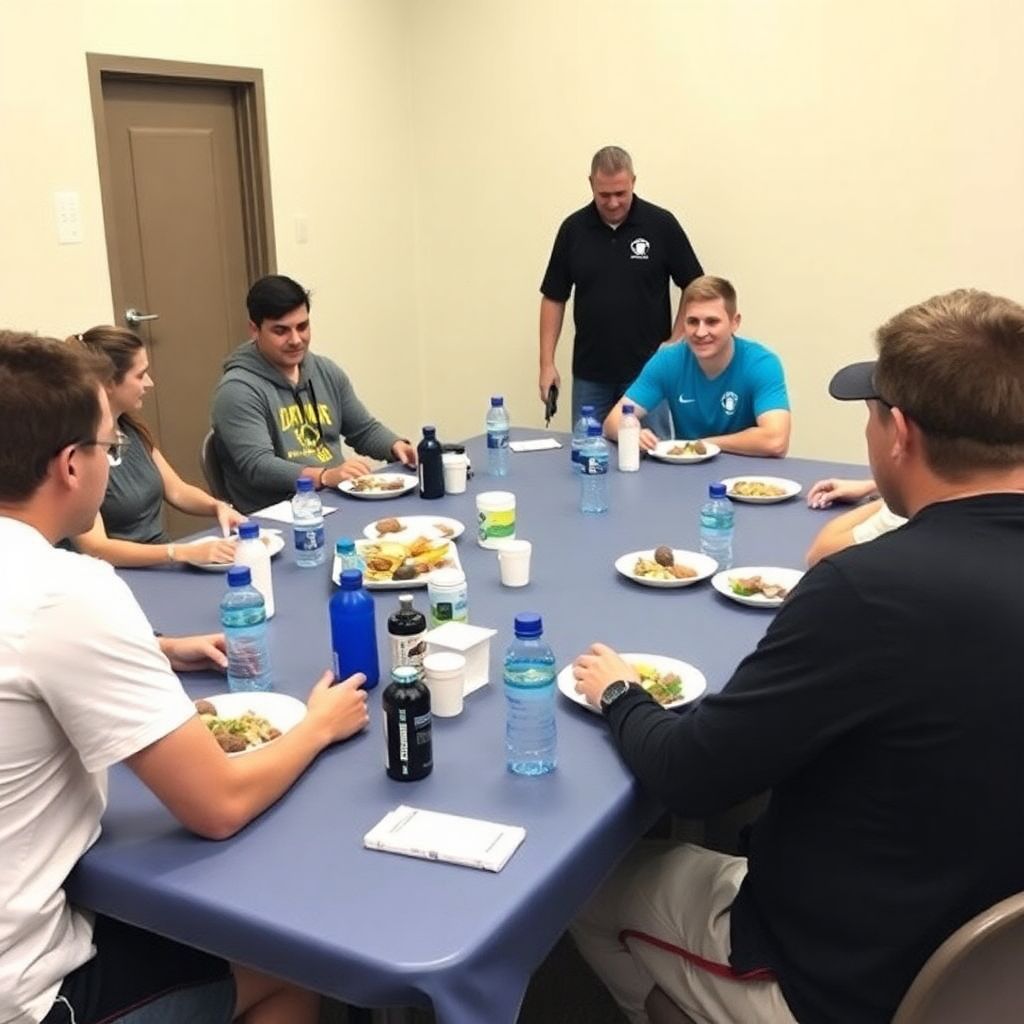
Sport nutrition for amateur and competitive athletes means eating enough carbs to fuel training, enough protein to recover, and hydrating with a clear plan. Focus on simple meals, timing around sessions, and only a few well-chosen supplements. Adjust portions to body weight, climate, and schedule, and seek professional help if you have medical conditions.
Core Nutrition Principles for Active Athletes
- Anchor every main meal around carbs + lean protein + some healthy fat + vegetables or fruit.
- Time carbs closer to training; time most protein evenly across the day and soon after sessions.
- Use your body weight to set targets: think in g/kg for carbs and protein instead of random portions.
- Plan hydration in ml/kg before, during, and after training instead of drinking only when thirsty.
- Start with food first; add suplementos para atletas amadores only when diet and sleep are consistent.
- Track simple markers (energy, mood, performance, recovery, digestion) to adjust your routine over weeks.
- Keep your dieta para melhorar performance esportiva flexible enough to fit work, family, and Brazilian food culture.
Fueling for Training: Macro Targets and Timing
This structure suits healthy amateur and competitive athletes in Brazil who train at least three times per week and want better performance, recovery, and body composition without extreme diets. It works for runners, futebol, futsal, vôlei, CrossFit, and gym-based sports.
It is not ideal to follow this guide alone if you have diabetes, kidney disease, heart disease, eating disorders, are pregnant, or take regular medication affected by diet. In these cases, a plano de nutrição esportiva personalizado with your doctor and a sports dietitian is strongly recommended.
Macro guidelines by training day
- Light or rest day (mobility, easy walk):
- Carbs: lower side of your usual intake, focusing on whole grains, beans, fruit, vegetables.
- Protein: spread across 3-4 meals, prioritizing lean sources (eggs, fish, chicken, tofu, dairy).
- Fat: moderate; use mainly olive oil, nuts, seeds, avocado, Brazilian nuts (castanha-do-pará).
- Moderate training day (45-75 minutes, steady):
- Increase carb portions around the session (pre and post) and keep protein similar to rest days.
- Choose easier-to-digest carbs before training; more fiber and beans away from training.
- Heavy or long training day (over 75 minutes or high intensity):
- Make carbs the star of every meal, especially the meal before and after your session.
- Keep protein consistent; avoid very high fat right before intense sessions to prevent stomach upset.
Timing strategy across the day
- Base meals (breakfast, lunch, dinner): Compose balanced plates; keep intervals of roughly 3-5 hours between them when possible.
- Pre-training window: Focus carbs closer to your session; reduce heavy fats and large salads if you have digestive issues.
- Post-training window: Combine carbs + protein within a few hours after training via full meals or practical snacks.
- Evening routine: Keep moderate carbs and enough protein at the last meal, especially on heavy training days, to support overnight recovery.
If you are not sure how much to eat, use hunger, performance quality, and body weight trends over a few weeks as your main indicators instead of strict numbers.
Pre- and Post-Workout Meals: Practical Examples and Portfolios
To create reliable pre- and post-workout meals you need three things: basic food options that digest well for you, minimal kitchen tools, and a small plan for busy days. This allows you to build a dieta para melhorar performance esportiva that is repeatable but still flexible.
Essential "tools" and ingredients
- Carb sources: rice, pão francês, tapioca, macarrão, potatoes, oats, fruit, banana with honey.
- Protein sources: eggs, chicken breast, lean beef, peixe, tofu, beans + rice, Greek yogurt.
- Quick options: cereal bars, fruit, yogurt drinks, milk, readily available street foods you tolerate well.
- Kitchen basics: pan, small pot, knife, cutting board, lunchbox, water bottle, shaker for whey.
Meal template comparison by session type
| Session type | Length / intensity | Pre-workout carbs (g/kg) | Post-workout carbs (g/kg) | Protein per meal (g/kg) | Example meal idea |
|---|---|---|---|---|---|
| Easy technique or light gym | Up to 45 min, low intensity | ~0.5 g/kg within 1-2 h | ~0.5 g/kg within 2-3 h | ~0.25 g/kg | Rice, beans, grilled chicken, salad, and fruit as dessert. |
| Standard training | 45-75 min, moderate | 0.5-1.0 g/kg within 1-3 h | 0.75-1.0 g/kg within 2 h | ~0.25 g/kg | Pasta with tomato sauce, lean meat or tofu, and a small piece of fruit. |
| Long or intense session | 90+ min, high intensity or match | 1.0-1.5 g/kg within 1-3 h | 1.0-1.5 g/kg within 1-2 h | 0.25-0.3 g/kg | Large plate of rice, beans, lean protein, cassava or potatoes, plus juice. |
Pre-workout meal examples (Brazil-friendly)
- 2-3 hours before training (larger meal):
- Rice + beans + chicken + salad + one banana.
- Macarrão with tomato sauce + shredded chicken + small portion of vegetables + orange juice.
- 45-90 minutes before training (smaller meal):
- Pão francês with cheese or turkey breast + fruit.
- Tapioca with egg or cheese + small glass of milk or yogurt.
- 15-30 minutes before training (only if needed and tolerated):
- Half banana with honey.
- Simple cereal bar and water.
Post-workout meal and snack ideas
- Full meal within a few hours:
- Rice, beans, grilled fish, salad, avocado slice, and fruit.
- Farofa, lean beef, mandioca, and cooked vegetables.
- Quick recovery snack (if meal is delayed):
- Greek yogurt + banana + oats.
- Sandwich with chicken or tuna + fruit + water or juice.
- Low-resource fallback (post-game at a bar or padaria):
- Pão de queijo or pão francês with ham + juice or milk.
- Coxinha or pastel only occasionally; pair with a small yogurt or milk when possible.
Hydration Strategies for Performance and Recovery
Hydration can be kept simple and safe when you use your body weight and session length as guides. The following step-by-step plan is appropriate for most healthy adults who train or compete in Brazilian climates, from São Paulo to Recife, as long as you adjust for your sweat rate and comfort.
- Assess your current hydration habits
Look at your usual drinking pattern across the day for one week. Notice if you often start training already thirsty, with dark urine, or with headaches – these are signs you might be starting sessions underhydrated.
- Pre-training hydration routine
In the 2-3 hours before training or matches, gradually drink water so you start the session well hydrated, not bloated. Sip instead of chugging a large volume at once, especially if you have a sensitive stomach.
- Hydration during training
For sessions up to about an hour in mild temperatures, water is usually enough. On hotter days or for longer sessions, drink more frequently in smaller sips, and consider adding electrolytes if you sweat heavily or get cramps.
- Take opportunities during breaks, time-outs, or set changes to drink steadily.
- If using sports drinks, keep them diluted if you have digestive issues.
- Post-training rehydration
Keep drinking water in the hours after training, using urine color as a simple guide: light yellow generally suggests better hydration than dark yellow. Include some sodium from normal food (salted meals) to help retain fluids naturally.
- Adjust for Brazilian heat and your schedule
On very hot and humid days, start focusing on hydration earlier in the day, not just before training. Spread your intake during work or study hours so that pre-game drinking feels natural and not forced.
Быстрый режим: hydration in 3 practical checkpoints
- Morning: drink water with or after breakfast; aim to have clear to light-yellow urine by midday.
- Pre-session: drink gradually in the 2-3 hours before; add a few sips right before warm-up if you feel dry.
- After: continue sipping water with your post-training meal and over the evening until urine is light again.
Supplements that Matter: Evidence-Based Choices and Dosages
Supplements can help, but only after your basic diet, sleep, and training plan are solid. Treat suplementos para atletas amadores as tools to fill specific gaps, not as magic solutions. Always discuss new supplements with a qualified professional if you have health conditions or take medication.
Checklist to see if your supplement routine is working for you
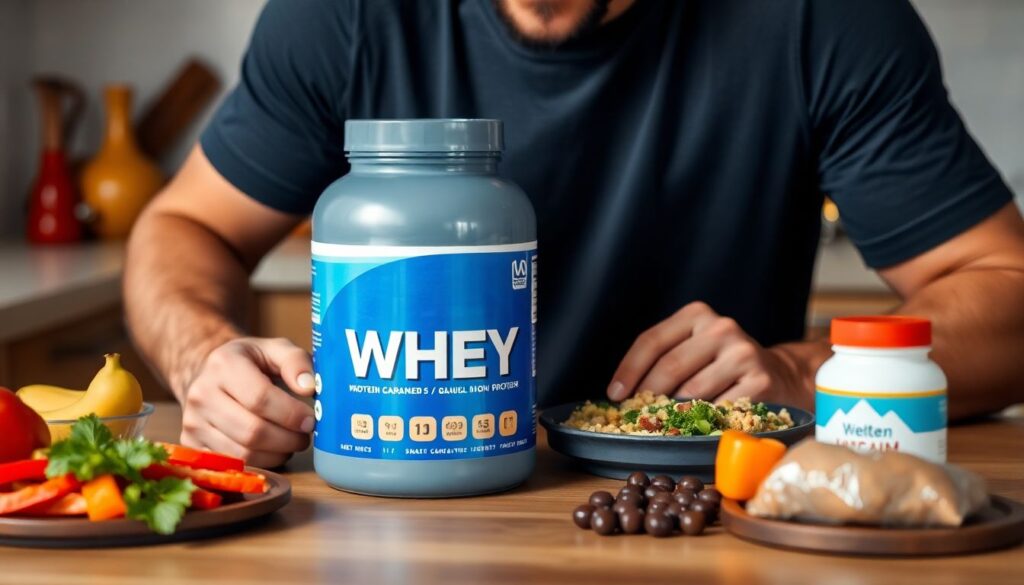
- You have eaten consistent main meals and snacks for at least a few weeks before adding new supplements.
- You selected products that match your goals (for example, the melhor whey protein para quem pratica esportes focuses on quality ingredients and fits your budget).
- You can clearly describe why you use each product (e.g., "protein to reach daily intake", "electrolytes during long runs").
- You track changes in energy, training quality, and recovery over at least a few weeks after starting a supplement.
- You do not rely on pre-workout stimulants to compensate for chronic lack of sleep or poor eating.
- You checked labels for added sugar, unnecessary stimulants, and potential allergens before buying.
- You considered talking to a professional, even via a nutricionista esportivo online preço search, to understand cost-benefit before committing to expensive products.
- You stop or reduce a supplement if you notice persistent side effects such as stomach pain, fast heartbeat, or sleep problems, and seek medical help if they are severe.
- Your monthly spending on supplements does not reduce your ability to buy basic nutritious foods.
- You review your supplement list every few months, removing products that do not show clear benefits for you.
Periodizing Nutrition Across Training Cycles and Competitions
Nutrition periodization means matching what and how much you eat to your training phases: base, build, competition, and recovery. Many amateur athletes in Brazil train hard but eat the same way all year, losing performance and enjoyment.
Common mistakes when adjusting food across the season

- Eating the same portions on heavy match weeks and on easy rest weeks, leading to either low energy or unnecessary weight gain.
- Starting a strict diet right before tournaments instead of weeks or months earlier, which increases fatigue and stress.
- Cutting carbs sharply during base training, limiting adaptation and making it harder to complete planned sessions.
- Ignoring recovery nutrition after long runs, jogos, or tournaments because "it is just amateur sport".
- Not planning travel meals for away games and ending up with random gas station snacks as the only fuel.
- Using large amounts of caffeine during competition without practicing this strategy during training first.
- Skipping structured eating on rest days, leading to heavy evening overeating and poor sleep.
- Changing many things at once (diet, supplements, training volume) so it becomes impossible to know what helped or hurt performance.
- Relying only on body weight as feedback instead of also tracking energy, mood, strength, and match performance.
- Not reviewing and updating your plano de nutrição esportiva personalizado after major life changes like new job hours or injuries.
Match-Day Logistics: What to Eat, When, and Contingency Plans
Match-day or competition-day nutrition should feel like a practiced routine, not an experiment. Build a simple plan you can repeat and then create backup options for delays, travel, and unexpected schedule changes.
Alternative match-day fueling patterns
- Standard build-up (most amateur team sports)
- Main carb-rich meal 3-4 hours before kick-off (rice, beans, lean meat, small salad, fruit).
- Water across the day, with extra sips during warm-up and at half-time.
- Early-morning competition
- Carb-heavy dinner the night before (pasta, rice, potatoes, beans, light protein).
- Lighter breakfast 60-90 minutes before (tapioca with cheese, banana, coffee if you already use it).
- Quick snack only if needed 15-30 minutes before (half banana with honey, small cereal bar).
- Minimal-kit, low-resource approach
- Use portable staples: bananas, pão francês with simple fillings, yogurt or milk cartons, cereal bars.
- Buy water or mineral water at the venue instead of relying on sugary soft drinks.
- After the match, prioritize a basic carb + protein combo even from simple places: sandwich with meat or egg + juice.
- Contingency for delays and extra time
- Carry one extra small carb snack (banana, bar, paçoca) in your bag in case the match starts later than planned.
- Keep an extra bottle of water or electrolyte drink in your bag or car to cover warm weather or longer matches.
- If games run long, take small sips and bites during breaks rather than one large intake at once.
Quick Answers to Common Sport Nutrition Dilemmas
Do I really need supplements if I am only an amateur athlete?
Many amateur athletes can perform very well with food alone, especially if they eat regularly and plan pre- and post-workout meals. Think of suplementos para atletas amadores as a possible add-on for convenience or specific gaps, not a requirement.
How do I choose the melhor whey protein para quem pratica esportes?
Look for a whey with simple ingredients, clear protein content, and no unnecessary sugar or stimulant blends. Consider taste, digestibility, and price, and prioritize brands with transparent labeling and independent quality checks when possible.
Is it worth paying for a plano de nutrição esportiva personalizado?
Personalized plans can be very helpful if you compete regularly, have health conditions, or feel stuck with your current performance. A good plan adapts your meals to training phases, Brazilian food culture, and your schedule instead of forcing a rigid, generic menu.
How can I evaluate nutricionista esportivo online preço versus value?

Compare price to what is included: number of consultations, follow-ups, communication channels, and personalization level. Higher price is not always better; choose professionals who explain their approach clearly and adapt to your reality instead of selling only generic protocols.
Can I follow a dieta para melhorar performance esportiva and still eat with my family?
Yes. Focus on adjusting portions and timing rather than cooking completely different meals. You can often share the same base foods as your family (rice, beans, meats, vegetables) and modify your plate size and pre- or post-training snacks.
What should I do if I feel heavy or nauseous during training?
Reduce fat and very high-fiber foods close to training, and allow more time between big meals and intense sessions. Test smaller, simpler carb snacks before training and pay attention to which foods you digest best.
How long does it take to see results from sport nutrition changes?
Many people notice differences in energy and recovery within one to two weeks of consistent eating and hydration. Body composition, performance, and habits usually evolve over several weeks or months, so track your progress with patience and small adjustments.