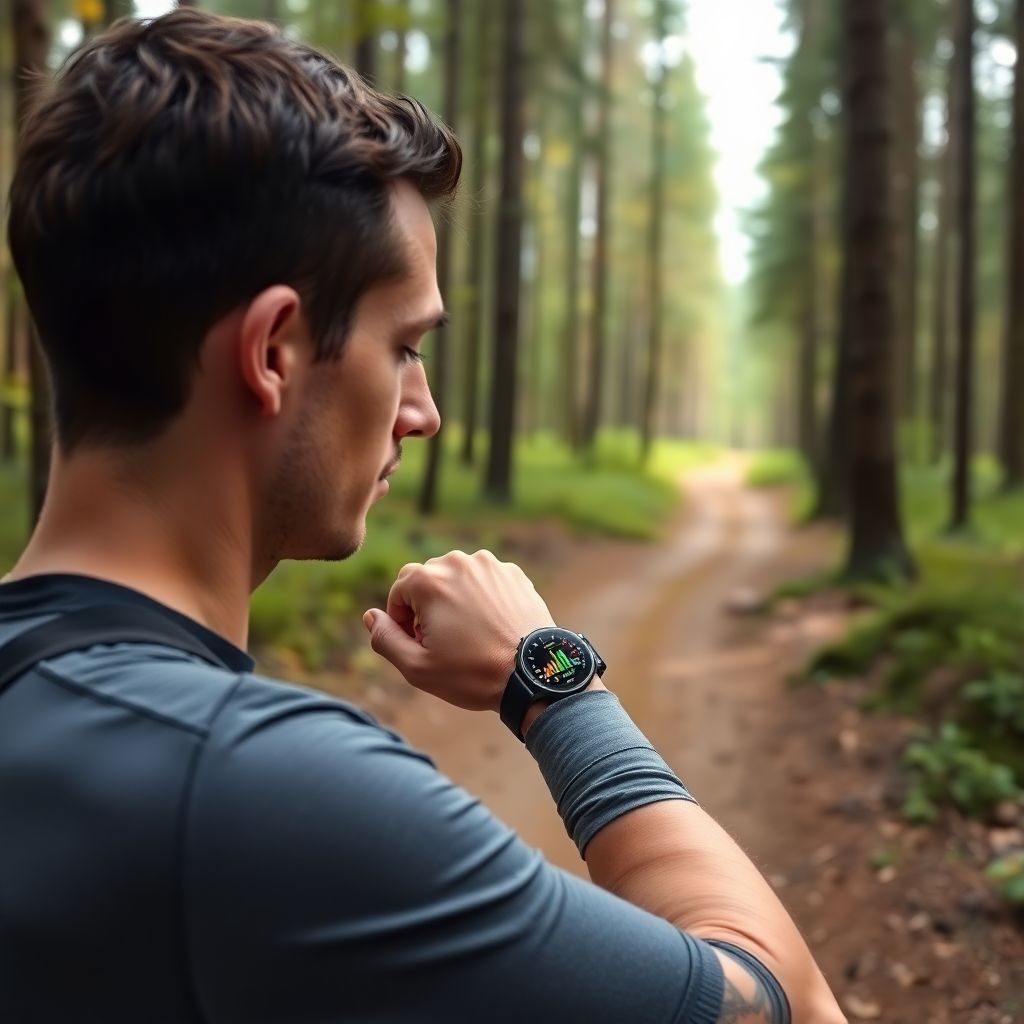
Sports wearables help amateur athletes structure training with objective data: heart rate, pace, distance, sleep and recovery trends. To use them safely and efficiently, choose the right class of device, understand which metrics matter for your sport, learn their limits, and plug the numbers into simple, periodized training decisions.
Core benefits and limitations of sports wearables
- Turn vague effort into objective metrics, making progression and plateaus easier to see.
- Help control intensity in real time using heart rate, pace or power targets.
- Offer long-term views on load and recovery, if used consistently and conservatively.
- Increase motivation through feedback and habit tracking, especially for beginners.
- Data can be noisy: optical heart rate, GPS and sleep estimates are often imprecise.
- Over-trusting numbers may push users beyond safe limits or into compulsive tracking.
- Privacy and data security vary widely between brands and apps.
Choosing the right device: watches, bands and standalone sensors
For most people in Brazil, a relógio esportivo com gps e monitor de frequência cardíaca is the most versatile option: it supports running, cycling, gym workouts and basic daily tracking in one device. Fitness bands and external sensors still make sense in specific budgets and use cases.
| Device class | Best for | Key strengths | Main limitations & risks |
|---|---|---|---|
| Sports smartwatches | Amateur runners, cyclists, multisport users | Integrated GPS, wrist HR, training modes, notifications | More expensive; optical HR can be wrong at high intensity; more personal data stored |
| Fitness bands | Walking, light jogging, general activity tracking | Lower price, light and discreet, basic HR and steps | GPS often absent or weak; limited metrics; app quality varies greatly |
| Chest-strap HR sensors | Structured cardio, intervals, HR-based zones | High HR accuracy, works with many apps/devices | Requires separate watch/phone; discomfort; possible skin irritation |
| Foot pods & cycling sensors | Running form, cadence, bike speed/cadence | Technique metrics, often more stable than GPS indoors | More setup, battery and pairing complexity; niche data easy to misinterpret |
If your goal is running and general fitness on a budget, a relógio esportivo smartwatch melhor custo benefício will usually outperform a basic band over the long term, because you get GPS-based pacing and more robust training modes.
A pulseira fitness esportiva monitor cardíaco comprar only makes sense if you want step counting, simple heart rate checks and notifications, and you do not care about precise running metrics. For performance-focused runners, the melhor relógio para corrida e treino amador will combine reliable GPS, usable battery life with GPS on, and at least basic training load analysis.
Standalone sensors can be powerful but are rarely the first purchase. Check sensor de performance esportiva para treino amador preço versus benefits: if a foot pod or advanced bike power meter costs more than your current watch, it may be better to upgrade the watch first, then add sensors when you already train consistently.
Essential metrics to monitor for effective amateur training
To keep things practical and safe, focus on a small set of metrics you can actually use in weekly decisions:
- Heart rate and intensity zones
Use heart rate to manage effort, especially in heat and hills. Start with simple zones: easy, moderate, hard. Over time, refine based on a basic field test or talk test, not just auto-calculated max HR. - Duration and frequency of sessions
Total minutes per session and sessions per week still drive most adaptations. Wearables help you avoid making jumps that are too aggressive from one week to the next. - Distance, pace and cadence (for runners)
GPS-based distance and average pace are enough for most amateur runners. Cadence helps detect extremes: very low cadence with heavy impact or excessively high cadence with tiny steps. - Speed, elevation and power (for cyclists)
Track average speed with caution (wind and traffic distort it). Elevation and, when available, power give better signals for structured intervals and climbing efforts. - Daily steps and active minutes
Useful to keep you from being sedentary outside workouts. Do not obsess over small day-to-day fluctuations; look at weekly averages. - Sleep duration and consistency
Ignore the exact “sleep stages” and focus on total time in bed, time asleep and regular bedtime/waketime. Use trends, not single nights. - Subjective metrics: RPE and mood
Even with the best relógio esportivo com gps e monitor de frequência cardíaca, perceived effort (RPE) and mood are essential safety checks. If numbers say “easy” but you feel terrible, trust your perception and back off.
Assessing measurement accuracy and common sources of error
Before relying on numbers for training decisions, understand where wearables are fragile. This reduces the risk of training too hard, misreading fatigue or exposing more personal data than necessary.
- Optical wrist HR struggles with sudden intensity changes, cold skin and movement.
- GPS errors appear near tall buildings, trees, tunnels and in bad weather.
- Calories, VO2max, “body battery” and stress scores are only rough approximations.
- Sleep and recovery metrics are heavily model-based and often misaligned with how you feel.
- Data syncing and app permissions influence how much of your personal health data leaves your phone.
- Check device fit and placement
Wear the device where the manufacturer recommends and make sure it is snug but not painful.- For wrist HR, move the watch one to two finger-widths above the wrist bone and tighten it slightly for workouts.
- For chest straps, moisten the electrodes and position them flat, just under the chest muscles.
- For foot pods, fix them firmly to laces to avoid wobbling.
- Compare resting values with a manual check
Sit quietly for a few minutes, then measure pulse manually on your wrist or neck and compare to the wearable.- If the difference is consistently large at rest, clean the sensor, refit it and repeat.
- If problems persist, avoid basing training zones on that device alone.
- Test GPS on a known route
Walk or run a route with a known distance (track, marked path or measured by a mapping tool).- Compare the wearable distance to the reference; small differences are normal, big ones signal GPS issues.
- Note conditions (trees, buildings, weather) when errors are worse and avoid relying on pace there.
- Watch behavior during intervals and sprints
Do short bursts of faster effort and check how quickly your heart rate and pace data react.- Optical HR that lags heavily in intervals may be acceptable for easy runs but unsafe for high-intensity interval monitoring.
- If possible, repeat the same session with a chest strap to see the gap in responsiveness.
- Validate trends, not single numbers
Use 1-2 weeks of data before changing training based on sleep, stress or recovery scores.- Only act on patterns that repeat over several days and match how you feel.
- If the app’s “readiness” scores often contradict your body, stop using them for daily decisions.
- Review privacy and sharing settings
Open the app and check what is shared by default: activities, location, contacts.- Disable public location sharing, especially around home or work routes.
- Limit connections to third-party apps to those you actually use.
How to embed wearable data into periodized training plans
Use this checklist to verify you are integrating wearable data safely into your weekly and monthly planning:
- Define one main goal (e.g., 5K, weight loss, general conditioning) and map 8-12 weeks with lighter and heavier weeks.
- Base overall load on session duration and frequency first; use heart rate and pace only to fine-tune intensity.
- Limit weekly increases in total training time and distance to modest increments, even if metrics suggest “freshness”.
- Schedule at least one low-intensity day after each hard day, guided by both HR and perceived effort.
- Tag every workout in the app (easy, tempo, intervals, long) so you can see the distribution of intensities across the week.
- Use heart rate zones to cap intensity on recovery runs and rides, not to force harder efforts on tired days.
- Check 4-week trends in resting HR, mood and sleep; if they worsen together, reduce load regardless of app “readiness”.
- Before races or tests, stop chasing new personal records in the app for at least a few days to reduce stress and fatigue.
- Review your training log monthly and adjust goals; remove metrics that you never use for decisions to reduce noise.
Practical trade-offs: battery life, connectivity and data security
When choosing and using wearables, these are the most frequent and costly mistakes to avoid:
- Buying a device with poor battery life for GPS activities and then running out of charge mid-race.
- Assuming that all optical HR sensors are equally accurate and safe for high-intensity training guidance.
- Pairing too many third-party apps and losing control of who holds your health and location data.
- Leaving Bluetooth and Wi‑Fi permanently on without need, increasing both battery drain and connectivity exposure.
- Ignoring firmware updates that fix accuracy and security issues, or installing them right before key events.
- Training by “closing rings” or chasing badges instead of following a structured, periodized plan.
- Storing detailed location history without adjusting privacy zones around home, work or schools.
- Using auto-lap and auto-pause features without understanding how they affect pace and distance stats.
- Relying on calories burned estimates as precise numbers for diet decisions instead of rough guides.
Setup and maintenance: calibration, placement and firmware best practices
In some cases, alternatives to constant wearable usage are safer, cheaper or simply more sustainable over time:
- Perceived effort plus simple stopwatch – For beginners or people sensitive to data overload, an RPE scale and basic timing are enough. Add a wearable later when habits are stable.
- Periodic lab or clinic assessments – For those with cardiac risk or complex health conditions, occasional tests with professionals can define safe zones more reliably than consumer wearables.
- Shared family or gym devices – If budget is very tight, using shared treadmills, bikes and gym sensors can still give pace and HR snapshots without individual device ownership.
- Offline logs and minimal data syncing – For privacy-focused users, keep logs in a notebook or local app, sync less often, and avoid social features that expose routes and health trends.
User concerns, common pitfalls and quick fixes
How accurate are cheap fitness bands for heart rate?
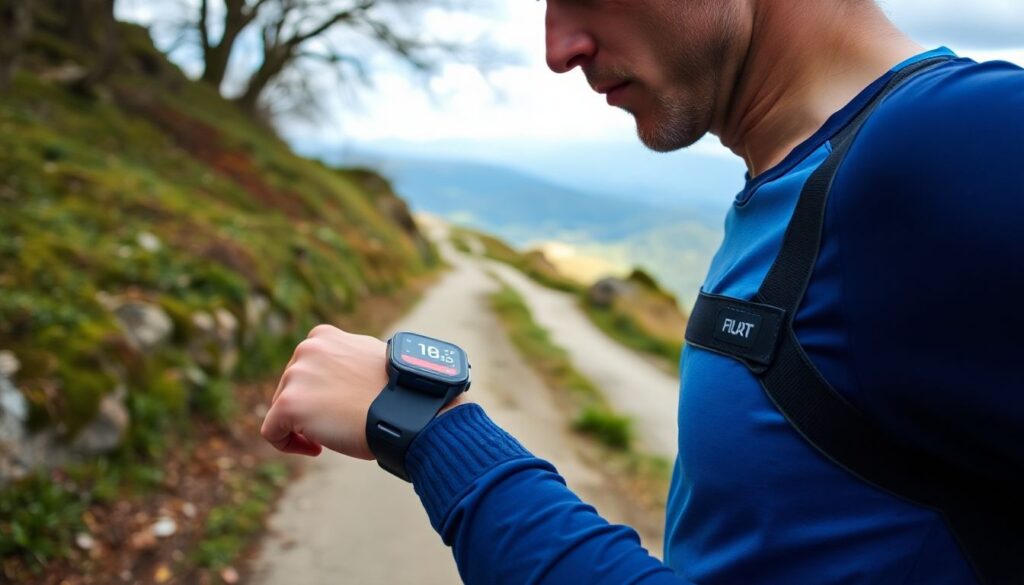
They can be acceptable at rest and during steady easy efforts, but they often struggle at higher intensities or with rapid changes. If you rely on HR for safety or structured intervals, pair the band with a chest strap or upgrade to a more solid watch model.
Is a GPS watch mandatory for amateur runners?
No, but a reasonable GPS relógio esportivo smartwatch melhor custo benefício makes pacing and progression much easier. Without GPS you can still improve using time-based intervals, perceived effort and occasional measured routes.
Should I buy a chest strap if my watch already has wrist HR?
If you do high-intensity intervals, have arrhythmia concerns or notice unstable wrist readings, a chest strap is a good safety and accuracy upgrade. For low-intensity walking or casual running, wrist HR is usually enough.
How do I protect my privacy when sharing activities?
Use privacy zones to hide start and end points near home or work, keep default activity visibility to private or friends-only, and connect only essential third-party apps. Avoid posting live location or regular schedules publicly.
Can I trust sleep and recovery scores for deciding rest days?
Treat them as hints, not strict rules. Combine trends in sleep scores with how you feel, resting HR and mood. If your body clearly needs rest, take it even if the app marks you as “ready” or “green”.
What if my device shows very different distance than my friend’s?
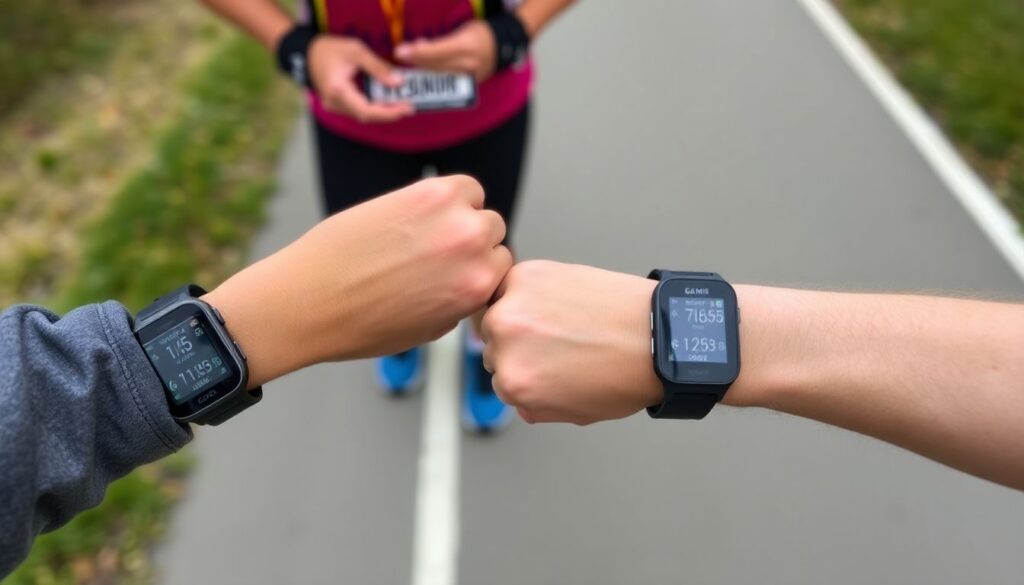
Differences between brands and GPS settings are common. Compare both watches on a marked route; if yours is consistently off, adjust GPS settings, update firmware or, if needed, change devices before using the data for serious pacing.
Do I need expensive sensors to start structured training?
No. Start with a basic watch or band, simple zones and consistent logging. Consider advanced sensor de performance esportiva para treino amador preço only after several months of regular training, when extra metrics will actually guide decisions.