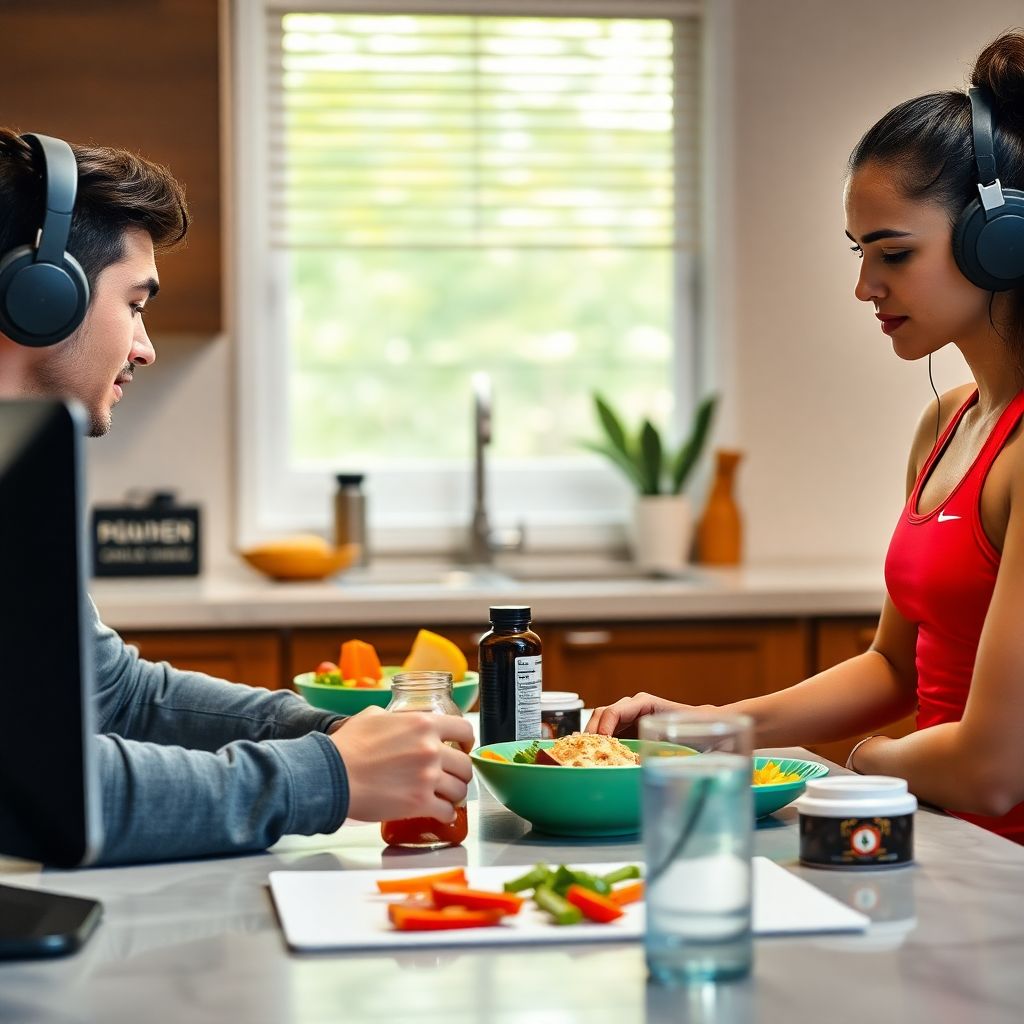
Smart nutrition for gamers and athletes means planning carbs, protein, fats, fluids, and a few well‑chosen supplements around training or gaming schedules. Focus on stable energy, sharp cognition, and gut comfort. Start by fixing daily diet quality, then refine timing, hydration, and evidence‑based supplements, adapting to your body and competitive calendar.
Pre-session evidence summary for optimal performance
- Eat a balanced meal 2-4 hours before matches or training; add a lighter carb snack 30-60 minutes if the session is intense or long.
- Prioritize easily digestible carbs and moderate protein before play; keep fats and fiber lower close to start time.
- Begin sessions well hydrated: aim for pale urine and drink small amounts regularly rather than chugging.
- Use caffeine strategically, not constantly; keep total daily intake moderate and avoid very late doses.
- Choose only supplements with solid evidence and safety data, especially when exploring nutrição para gamers suplemento products.
- Test all protocols in practice, never first time on tournament day or during decisive ranked matches.
Nutrient timing: fueling cognition and physical output before, during, and after sessions
Goal: Align meals and snacks with gaming and training so you maintain focus, reaction speed, and physical output without gut discomfort.
Who this suits: Competitive gamers, recreational and elite endurance athletes, and strength athletes who want a clear, simple protocol they can repeat on match or training days.
When to avoid or simplify:
- If you have uncontrolled medical conditions (e.g., diabetes, kidney disease, severe GI issues), apply only with medical supervision.
- If you struggle with disordered eating or body‑image issues, focus first on flexible, non‑rigid eating with a qualified professional.
- Children and teens should not copy extreme cutting, bulking, or high‑dose stimulant protocols from adults.
Evidence snapshot (high level, without jargon):
- Carb availability supports endurance, repeated sprints, and cognitive tasks like decision‑making and attention.
- Even protein distribution across the day supports muscle repair and maintenance, especially after strength and mixed sports.
- Caffeine can enhance vigilance and perception of effort when dosed and timed appropriately.
Actionable pre‑session timing guide:
- 2-4 hours before
- Eat a main meal with carbs (rice, pasta, bread, potatoes, fruit), lean protein (chicken, fish, eggs, tofu), and a small portion of healthy fats.
- Keep very spicy, greasy, or super high‑fiber foods low to reduce the risk of stomach upset mid‑session.
- 30-60 minutes before
- Have a light carb‑focused snack if the session will last longer than about 90 minutes: banana, toast with honey, low‑fat yogurt, or a small cereal bar.
- For gamers needing sharper focus, pair this snack with water and, if appropriate, a modest caffeine dose started earlier.
- During long sessions
- For endurance or field sports lasting multiple hours, use simple carbs (sports drink, chews, bananas) and electrolytes.
- For marathon gaming blocks, favor small, low‑crumb, low‑grease snacks and steady sipping to avoid crashes or messy desks.
- Within 1-2 hours after
- Combine protein (eggs, dairy, lean meat, soy, or a shake) with carbs to support recovery, especially after strength or high‑intensity work.
- Rehydrate with water and, if you sweated a lot, include electrolytes and salty foods.
Macronutrient strategies tailored to gamers, endurance athletes, and strength athletes
Goal: Understand how carbs, protein, and fats should shift depending on whether you are mainly gaming, training endurance, or focusing on strength and power.
What you need before you start:
- A rough idea of your body mass and weekly schedule (hours of gaming vs. training, hard vs. easy days).
- Basic cooking tools (stove or microwave, fridge, containers) and access to staple foods such as rice, oats, eggs, beans, fruits, and vegetables.
- Optionally, simple apps or a notebook to log meals, mood, focus, and performance.
- Access to reliable professional guidance, ideally through a sports dietitian or a trusted consultoria de nutrição esportiva online familiar with pt_BR culture and foods.
Comparative macronutrient focus by activity and session length (guideline tendencies, not rigid rules):
| Profile | Typical session length | Carb focus | Protein focus | Fat focus | Practical example meals |
|---|---|---|---|---|---|
| Competitive gamer (FPS/MOBA) | 2-6 hours mostly seated | Moderate, spread evenly to avoid crashes; emphasize low‑GI carbs | Moderate across the day to stabilize appetite and maintain muscle | Lower before play to avoid sluggishness; moderate at other meals | Rice + beans + chicken at lunch; fruit + yogurt 1 hour pre‑match |
| Endurance athlete (running, cycling) | 1-3+ hours continuous | Higher, especially near and during long sessions | Moderate to support recovery and adaptation | Moderate, mainly from unsaturated sources | Pasta with lean meat and tomato sauce; oats + banana before long run |
| Strength athlete (gym, cross‑training) | 45-120 minutes intense | Moderate; more around training days | Higher across the day to support muscle repair | Moderate; avoid very heavy, fatty meals right before lifting | Rice, beans, and beef; omelet with vegetables; protein + fruit shake post‑workout |
When selecting a dieta para ganhar desempenho nos esportes, keep the total daily pattern realistic for your routine and budget; consistency beats perfection.
Essential macronutrient tools for everyday use:
- At least one carb staple you enjoy and can cook in bulk (rice, pasta, potatoes, tapioca, oats).
- Reliable protein sources: eggs, dairy, fish, poultry, lean red meat, tofu/tempeh, and beans or lentils.
- Healthy fat sources: olive oil, avocado, nuts, seeds, and peanuts.
- Portable options for game days: yogurt cups, cheese sticks, nuts, bananas, whole‑grain bread or wraps, simple cereal bars.
Hydration and electrolyte plans to sustain focus and physical resilience
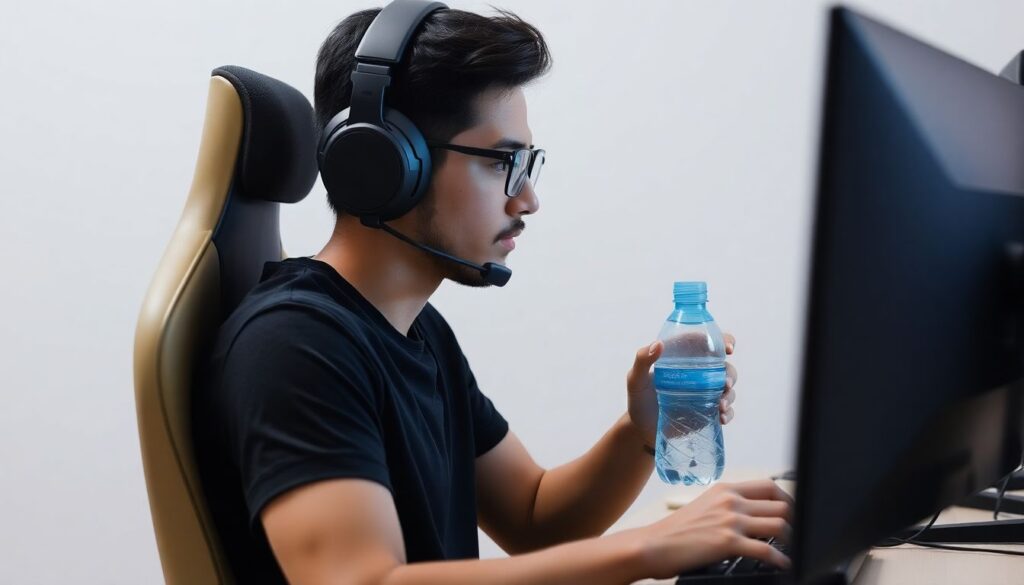
Goal: Maintain stable hydration so your cognition, reaction time, and physical endurance stay reliable across long sessions without over‑ or under‑drinking.
Quick readiness checklist before following the steps:
- Confirm you have water available within arm’s reach for gaming and training.
- Have a simple electrolyte source ready for hot days or heavy sweat sessions (sports drink, oral rehydration solution, or electrolyte powder).
- Check urine color on waking and pre‑session; aim for light yellow rather than very dark.
- If you have kidney, heart, or blood pressure issues, follow medical guidance before changing fluids or electrolytes.
- Start your day with structured hydration
On waking, drink a moderate glass of water and then sip regularly with breakfast. This sets a baseline so you do not start training or gaming already mildly dehydrated.
- Top up 1-2 hours before the session
In the hours leading up to your workout or gaming block, drink small amounts of fluid rather than a single large bolus right before you start.
- Avoid very large amounts of fluid immediately pre‑session, which increase restroom trips and discomfort.
- Use water as the default, adding electrolytes if you expect heavy sweating.
- Plan in‑session sipping strategy
Keep a bottle on your desk or at the side of the field and take small sips at natural breaks every 10-20 minutes instead of waiting until you feel very thirsty.
- Gamers: link sips to in‑game queues (e.g., after each match or loading screen).
- Athletes: sip around intervals, set breaks, or during low‑intensity phases.
- Use electrolytes when sweat losses are high
On hot, humid days or during intense training, add a sodium‑containing drink or tablets according to package instructions, especially if you notice salt on skin or clothes after training.
- Do not overconcentrate powders; mix as directed for safety and taste.
- If you have a salty sweater profile or cramping history, discuss personalized plans with a professional.
- Rehydrate gradually post‑session
After training or long gaming blocks, keep sipping fluids for the next few hours, pairing drinks with salty foods if you sweat heavily.
- Monitor urine color; it should return to light yellow rather than remain very dark or completely transparent.
- If you feel bloated or your weight jumps quickly, reduce aggressive drinking and allow more time.
- Set simple environment cues
Place bottles where you can see them easily and use reminders (phone alarms, in‑game events, or calendar alerts) until hydration becomes automatic.
Supplements with robust evidence: indications, contraindications, and dosing
Goal: Use only a small set of well‑supported supplements, chosen for your sport or game demands, and avoid risky or useless products.
Mention of melhores suplementos para desempenho esportivo is common in Brazil, but evidence and safety should always come before marketing claims.
- Confirm you already have consistent meals, sleep, and hydration before adding any performance supplement.
- Check with a doctor if you have cardiovascular, kidney, liver, or mental health conditions, or if you take prescription medications.
- Verify that any caffeine source lists clear content per serving and avoid combining multiple stimulants.
- Choose products that have been batch‑tested by reputable third‑party quality programs when possible.
- Introduce only one new supplement at a time and test it in training or casual play, not on crucial competition days.
- Monitor for side effects like insomnia, palpitations, anxiety, stomach upset, or allergic reactions; stop use and seek help if they appear.
- Avoid megadoses of vitamins and minerals without a medical indication; more is not automatically better and can sometimes be harmful.
- Be skeptical of supplements that promise extreme fat loss, muscle gain, or instant rank climbing, especially when ingredients are unclear.
- For younger athletes and gamers, involve parents or guardians in all supplement decisions and prioritize whole‑food approaches.
Quick-prep meals and snacks: practical recipes and portable options for sessions
Goal: Build fast, affordable options using everyday Brazilian foods so you can always have alimentos para aumentar performance nos games and in sports without relying on ultra‑processed choices.
Common mistakes to avoid:
- Skipping full meals and relying only on energy drinks and chips throughout long gaming or training days.
- Eating large, greasy portions (burgers, deep‑fried snacks) right before sessions, leading to sluggishness and reflux.
- Choosing only sugary snacks that spike and crash blood sugar instead of combining carbs with some protein or healthy fats.
- Not prepping any food in advance, which pushes you toward expensive delivery apps and poor choices between games or training.
- Ignoring food safety basics, such as leaving cooked meats or dairy at room temperature for hours.
- Overusing protein powders instead of balancing with real foods like beans, eggs, dairy, or tofu.
- Forgetting easy portable fruits (bananas, apples, tangerines) that need no prep and travel well.
- Eating foods that are messy for keyboard or controller use, rather than bite‑sized options you can handle during breaks.
- Neglecting vegetables entirely on busy days; frozen mixed vegetables or salad kits can be quick solutions.
Safe and quick meal/snack ideas (adapt to appetite and goals):
- Overnight oats with milk or yogurt and fruit for a 2-3 minute breakfast.
- Rice, beans, and chicken or tofu cooked in bulk on one day, then portioned for fast microwave lunches.
- Whole‑grain toast with scrambled eggs and tomato as a light pre‑training meal.
- Fruit + yogurt + a small handful of nuts for stable energy between ranked matches or sets.
- Whole‑grain wrap with turkey, cheese, and salad vegetables as a portable option for tournaments.
Monitoring, metrics, and individualized adjustments: a checklist-based approach
Goal: Adjust your nutrition plan based on real‑world response rather than fixed templates, keeping everything safe, practical, and performance‑oriented.
Core monitoring checklist:
- Track 1-2 weeks of basic data: approximate bedtimes, main meals, training or gaming hours, and subjective energy/focus.
- Note any stomach issues, headaches, or sleep problems alongside what you ate and drank before they appeared.
- Observe performance markers: in‑game concentration, decision quality, and training outputs (weights, times, or distances).
- Review weekly: What meals and hydration patterns precede your best and worst days?
- Change only one variable at a time (e.g., pre‑session snack, caffeine timing, or hydration strategy) and test for several days.
Alternative adjustment options and when they fit:
- Low‑effort template days — For stressful periods (exams, travel, tournaments), use 2-3 repeatable meal/snack combos instead of trying to optimize every detail.
- Food‑first, supplement‑minimal approach — Ideal if you are budget‑constrained, sensitive to stimulants, or unsure about product quality; focus on staples and hydration.
- Professional‑guided plan — Best if you have medical conditions, aggressive performance targets, or complex schedules; work closely with a sports nutritionist, either locally or via consultoria de nutrição esportiva online.
- Tech‑light approach — If tracking apps feel obsessive, rely on simple paper notes or mental check‑ins (“Did I eat, drink, and sleep enough?”) rather than detailed logging.
Practical questions from coaches and players with concise answers
How should a gamer eat on a tournament day with many matches?
Eat a normal balanced meal 2-4 hours before the first match, then use small carb‑based snacks and steady water intake between games. Avoid experimenting with new foods and keep fats and spices low so your stomach stays calm.
What is the safest way to use caffeine for focus?
Use moderate doses tested in practice days, taken early enough that they do not interfere with sleep. Avoid stacking coffee, energy drinks, and pre‑workouts together, and stop use if you feel jittery, anxious, or your heart races.
Do I need sports drinks for short workouts or ranked sessions?
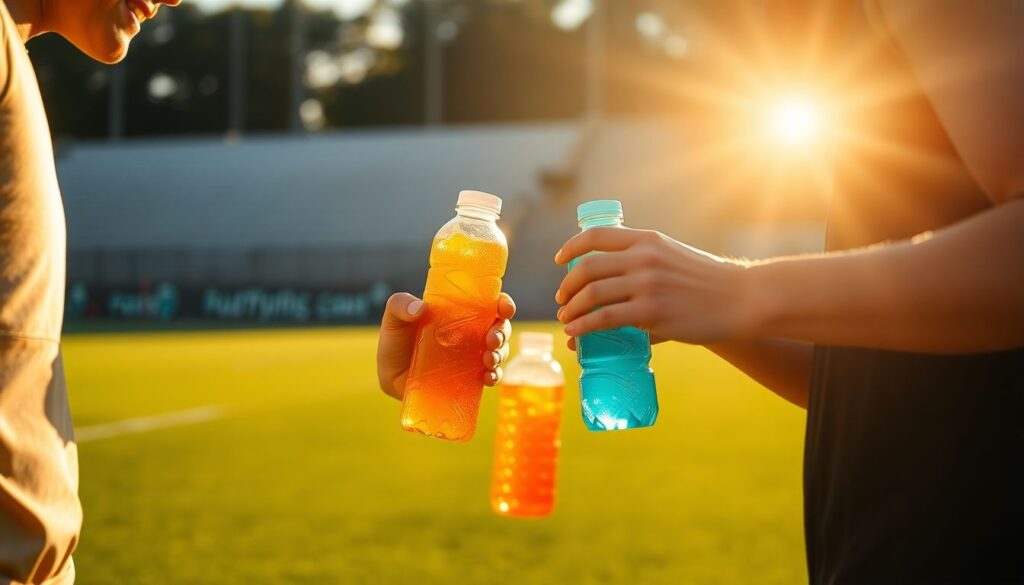
For most people, water is enough for sessions under about an hour in a cool environment. Sports drinks are more useful in long, hot, or very intense situations, or if you struggle to eat solid carbs during activity.
How can I avoid feeling sleepy after lunch before an important match?
Eat a lighter meal with balanced carbs and protein and avoid oversized portions and heavy fats. Consider a short walk afterward and time your caffeine earlier so the peak effect matches the start of play.
Is a high-protein diet required to improve strength performance?
You need adequate, not extreme, protein spread across the day, especially around strength sessions. Combining this with enough calories and progressive training is more important than chasing very high protein numbers.
How do I handle nutrition when I train early and game late on the same day?
Front‑load a carb‑protein snack before early training, follow with a solid breakfast and lunch, then have a lighter pre‑gaming snack. Plan hydration from morning to evening and keep late‑night caffeine low to protect sleep.
Are “gamer” powders and drinks necessary for better performance?
They are not necessary; most benefits come from basic nutrition, hydration, sleep, and careful caffeine use. Evaluate each product for ingredients, dose transparency, and safety rather than relying on marketing language.