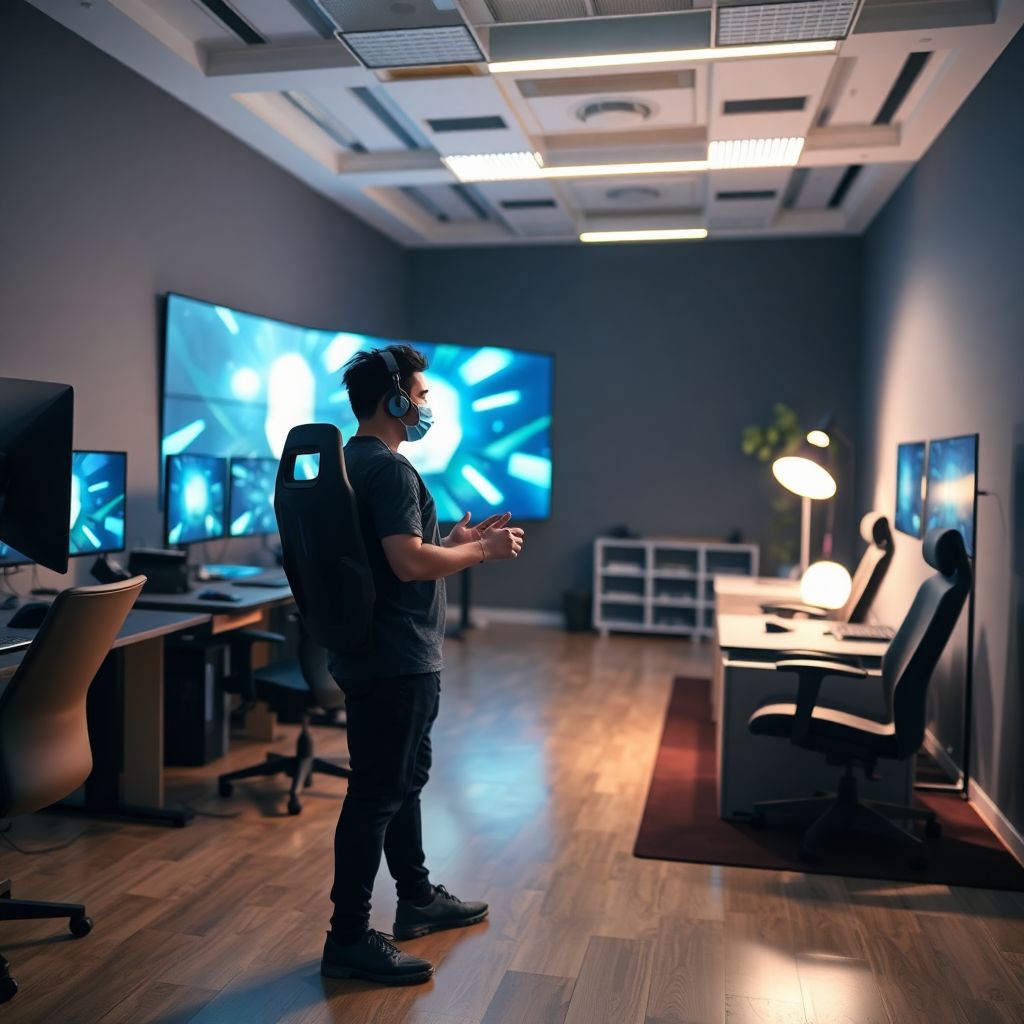
A safe elite e-sports routine balances structured game practice, mental skills, and basic physical conditioning with clear limits on volume and intensity. Use short, high-focus blocks, regular breaks, and daily movement to protect your eyes, back, and mind. Adjust load around competition days and seek professional support when pain, burnout, or mood changes appear.
Core components of an elite e‑sports training day
- Clear blocks for aim/mechanics, team strategy, and review with minimal multitasking.
- Daily mental training: focus drills, stress management, and brief decompression rituals.
- Safe physical work: mobility, posture, and light strength to support reaction and endurance.
- Consistent meals and hydration around practice, avoiding big energy crashes.
- Sleep routine aligned with scrim/competition schedule and Brazilian time zone realities.
- Simple tracking of mood, pain, sleep, and performance to detect overload early.
- Access to expert support (coaches, physiotherapy, psychological consultoria) when needed.
Structuring daily and weekly periodization for peak matches
A structured rotina de treino for an elite player in Brazil should rotate cognitive, mechanical, and physical stress across the week instead of pushing everything hard every single day. This mindset is the base of any sustainable treino para jogador de e-sports profissional.
Who this routine is for:
- Intermediate and advanced players competing in ranked ladders, amateur leagues, or academy rosters.
- Athletes already used to daily gaming who want a programa de treino para pro player de e-sports mais organizado.
- Coaches and staff building schedules for small Brazilian teams or university line‑ups.
When you should not follow this plan without adaptation:
- You have acute pain (strong back, neck, wrist, or eye pain), recent injury or surgery, or diagnosed heart/neurological conditions.
- You notice signs of burnout: constant irritability, loss of motivation, sleep disruption, or feeling “on edge” all day.
- You already train physical sports or go to the gym with high volume; adding everything here on top may be too much.
- You are under legal working age or live with your parents and do not have their approval for long practice days.
Example of daily load distribution for a non‑match day (adapt to your schedule):
- Start of day: light mobility, short mindfulness or breathing, quick goal setting.
- Late morning or early afternoon: solo practice blocks (aim, mechanics, micro, last‑hits).
- Afternoon: scrims or ranked blocks with team communication focus.
- Early evening: review (VOD, notes), then wind‑down: stretching, walk, social time.
Across the week, treat one or two days as lighter: shorter sessions, fewer ranked games, more recovery and off‑screen activities. Around key matches, reduce volume of practice slightly and emphasize sleep, review, and calm focus instead of grinding until exhaustion.
Mental skills: focus, stress inoculation and deliberate recovery
To realmente melhorar performance em e-sports treino físico e mental precisa ser planejado. Mental skills are trainable if you use simple tools consistently and keep clear boundaries between “on” and “off” time.
Useful tools and requirements:
- Timer or app for focus blocks: to structure deep work intervals for aim training and VOD review.
- Notebook or digital notes: for post‑game reflections, tilt triggers, and small action points.
- Quiet corner or headphones: a place to do breathing, short mindfulness, or visualization without interruptions.
- Basic knowledge from a curso online de treinamento para atletas de e-sports: many courses cover routines, goal setting, and mental preparation that you can adapt to pt_BR reality.
- Access to consultoria de preparação física e mental para e-sports (when possible): psychologists, mental coaches, or sports psychiatrists help with anxiety, attention, and mood, especially during split ends and playoffs.
Core mental routines to integrate into your day:
- Pre‑session focus ritual: short breathing, remind yourself of one or two technical focuses, then start queue; avoid opening social media or chats in this window.
- Tilt and stress check‑ins: after each block, rate your mood and energy with words (calm / tense / angry / tired) and decide whether to continue, break, or stop.
- Stress inoculation drills: occasionally practice under light extra stress (crowd noise playlist, mild time pressure) so match day feels familiar, not overwhelming.
- Deliberate recovery blocks: real breaks away from screen with movement, hydration, and relaxation, instead of swapping to another high‑stimulus game or endless scrolling.
Physical training to boost reaction time, endurance and posture
Physical training for pro players must support gaming, not compete with it. Load should increase slowly, be pain‑free, and respect your current fitness level. Stop any exercise that causes sharp pain, dizziness, or breathing difficulty, and consult a health professional if symptoms persist.
- Risk: overdoing strength or cardio on the same day as long scrims can harm in‑game performance and recovery.
- Risk: training through wrist, elbow, neck, or back pain may turn a small irritation into a chronic injury.
- Risk: copying bodybuilder or influencer routines without adaptation often adds useless fatigue for an e‑sports athlete.
- Limitation: players with medical conditions should seek clearance and, ideally, supervised plans before starting.
Step‑by‑step low‑risk framework you can adapt:
-
Set your weekly physical training frequency
Begin with a small number of short sessions per week on days without long official matches. Ensure at least one full day with no structured training (only light walking or stretching).
-
Warm up targeted to gaming posture
Before long practice blocks, use a short warm‑up connecting joints and muscles used while sitting and clicking.
- Gentle neck rotations and side bends.
- Shoulder circles and arm swings.
- Wrist circles and opening/closing the hands.
- Bodyweight squats or hip hinges to wake up legs and hips.
-
Build basic strength for posture and control
Choose bodyweight or light resistance exercises that stabilize your spine, shoulders, and hips rather than maximal lifts.
- Hip hinge (good mornings or light deadlift pattern) for back‑of‑body strength.
- Rows or band pulls for upper back and shoulder alignment.
- Planks or dead bugs for core stability.
- Split squats or lunges for leg endurance and hip balance.
Keep effort at a moderate level: you should feel worked but still able to play with good hand control after a short rest.
-
Add low‑impact cardio for cognitive endurance
Use gentle options like walking, cycling, or light jogging. Aim for sessions where you can still speak in full sentences without gasping.
- Place cardio away from your highest‑focus game block (for example, earlier in the day).
- Increase duration slowly over weeks instead of adding big jumps.
-
Include hand, wrist and forearm care
Perform simple, pain‑free mobility work and light strengthening for grip and forearm muscles.
- Gentle wrist flexor and extensor stretches, held comfortably without forcing.
- Finger extension with rubber bands or soft putty squeezing.
- Short shake‑outs of hands and forearms between ranked games or scrim maps.
-
Finish with decompression and stretching
After practice or physical training, use brief stretches to return your body to neutral posture.
- Chest and hip flexor stretches to undo hours of sitting.
- Upper‑back mobility drills (cat‑camel, thoracic rotations).
- Slow breathing to signal your nervous system that the day is closing.
-
Monitor response and adjust load
Track soreness, pain, sleep, and in‑game feeling across the next days.
- If you feel heavy, clumsy, or unusually tired while playing, reduce the volume of physical work.
- If you feel more stable, focused, and comfortable, you are likely near a good load.
Fueling performance: targeted nutrition, hydration and supplements
Use this checklist to verify whether your nutrition and hydration are supporting high‑level play, especially during Brazilian heat and long online qualifiers.
- You eat regular meals across the day instead of a single huge meal followed by long fasting while gaming.
- You include some source of protein, complex carbohydrates, and healthy fats in your main meals.
- You drink water steadily, not only when already very thirsty or with dry mouth and headaches.
- Your main caffeine comes from moderate coffee, tea, or known energy drinks, not random high‑dose products.
- You avoid trying new supplements or stimulants right before important matches.
- You keep ultra‑processed snacks and sugar for small portions, not as the core of every meal.
- On match or scrim days, you eat lighter and earlier before starting, to avoid heavy stomach or drowsiness.
- You discuss any supplement (creatine, nootropics, pre‑workout) with a health professional instead of combining many products alone.
- You respect any medical conditions (diabetes, allergies, digestive issues) and adjust with a doctor or nutritionist.
Sleep strategies and circadian alignment for cognitive restoration
Poor sleep quickly destroys everything you gain from treino físico e mental. Many Brazilian players shift their schedule late into the night; this can work short term but usually harms decision‑making, mood, and health when unmanaged.
Common mistakes to avoid:
- Grinding ranked deep into the night, then trying to flip back to an early schedule before officials.
- Using strong stimulants late in the day, making it hard to relax and fall asleep.
- Keeping screens, scrim discussions, and VOD review right until lying in bed.
- Eating very heavy meals immediately before sleep, causing reflux or discomfort.
- Sleeping in a noisy, bright room without curtains, eye mask, or earplugs in busy Brazilian cities.
- Assuming that weekend sleep “marathons” fully fix a chronic sleep debt from the week.
- Ignoring snoring, breathing pauses, or frequent awakenings that may indicate a sleep disorder.
- Skipping wind‑down routines (stretching, reading, light conversation) and expecting the brain to simply “shut off”.
Tracking, diagnostics and protocols for preventing overuse
To keep a programa de treino para pro player de e-sports safe long term, build simple tracking and know when to change path instead of forcing through pain and fatigue.
Alternative monitoring and support approaches you can use or combine:
- Self‑tracking with simple logs: brief daily notes about sleep quality, mood, pain level, and subjective performance. Ideal when you have no staff; just be honest and consistent.
- Coach‑led structure: your in‑game leader or performance coach reviews your schedule, reduces ranked volume when quality drops, and inserts recovery blocks around key matches.
- Professional multidisciplinary support: consultoria de preparação física e mental para e-sports with physiotherapists, psychologists, and strength coaches. Best for academy and elite rosters or players with injury history.
- Education‑first approach: enrolling in a curso online de treinamento para atletas de e-sports to understand fundamentals, then building your own system from there.
Whichever path you choose, set clear “red flags” that mean you must stop and seek help: persistent joint pain, numbness, drastic drop in motivation, or thoughts of self‑harm. Health comes before any match.
Direct answers to common performance and health concerns
How many hours per day should a serious Brazilian e-sports athlete train?
Instead of chasing a fixed number, focus on having clear, high‑quality blocks with breaks and daily recovery. If you consistently end sessions mentally exhausted, tilted, or in physical pain, your load is too high regardless of the total hours.
Can I become a pro without doing physical training?
Some players reach high ranks with almost no structured physical work, but this often leads to posture problems, pain, and inconsistent focus. Light, targeted training improves health, reaction, and endurance and makes a pro career more sustainable.
What should I do if my wrists or back hurt while playing?
Stop immediately, reduce volume, and check your posture and equipment height. If pain appears repeatedly or intensifies, seek a health professional (physiotherapist or doctor) before returning to full practice; do not push through with painkillers alone.
Is caffeine or energy drink use safe for e-sports practice?
Moderate caffeine may help alertness, but excess increases anxiety, tremors, and sleep problems. Avoid mixing different strong products, never use them to compensate for lack of sleep, and talk to a doctor if you have heart or blood pressure issues.
How can I control tilt and anger after bad games?
Use short breaks away from screens, breathing exercises, and quick notes about what triggered the tilt. Limit consecutive games when tilted and focus each block on one or two technical goals instead of obsessing over results or LP.
Do I need a psychologist or mental coach if I already feel “fine”?
Working with a psychologist or mental coach is not only for crises; they can help you build routines, communication, and stress tolerance before big problems appear. If access is hard, start with trusted online educational content and gradually seek direct support.
Is it okay to switch my sleep schedule to play on other servers?
Occasional short adjustments may be fine, but long‑term large time shifts usually harm mood and performance. Prefer practising on local or nearby servers and keep your core sleep window as stable as possible across the week.