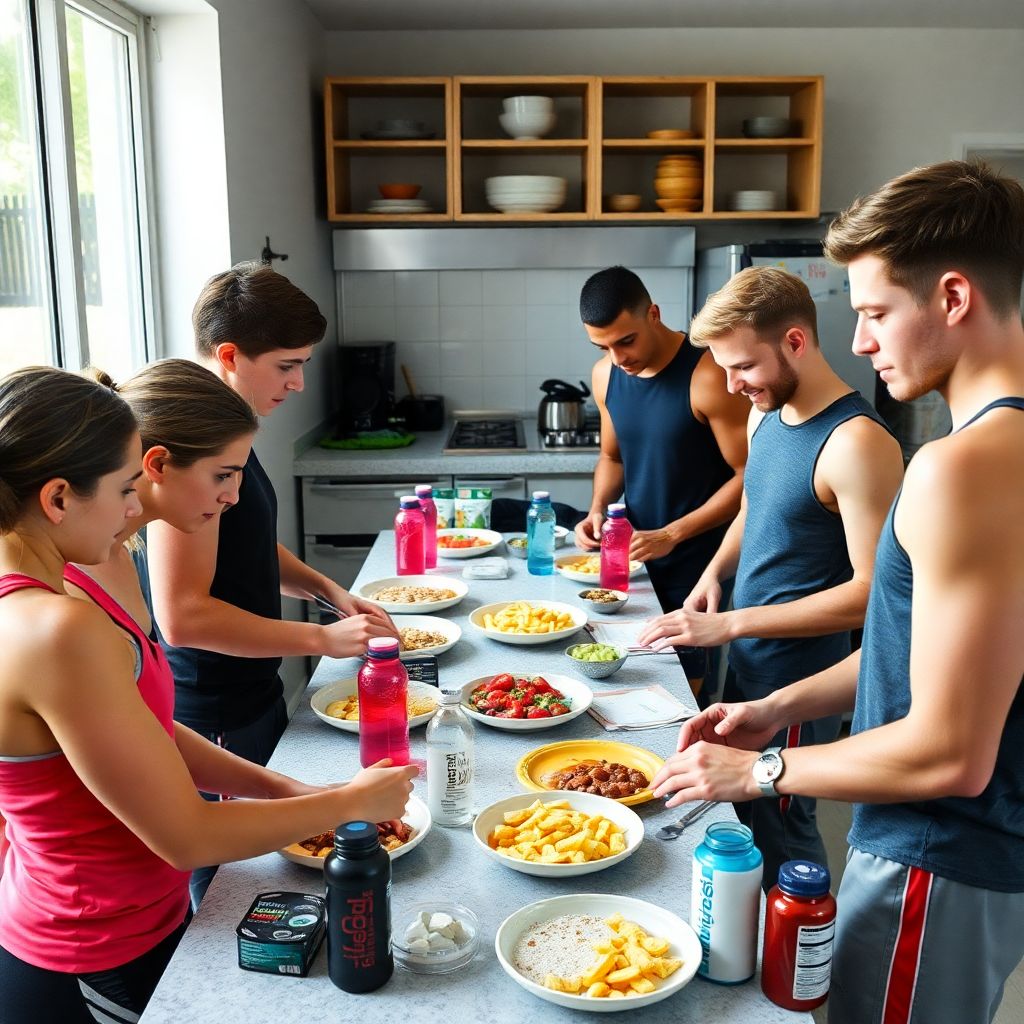
For amateur athletes, the biggest performance wins come from consistent daily habits: enough total calories, smart carbs around training, adequate protein, steady hydration, and just a few well-chosen supplements. This guide shows step by step how to set practical macro targets, time your meals, hydrate safely, and structure simple, realistic meal plans.
Core nutrition levers that actually improve amateur performance
- Match total calories to your training volume so you are neither constantly starving nor sleepy and heavy.
- Prioritise carbohydrates before and after key sessions; save lower-carb meals for light or rest days.
- Hit a consistent daily protein target to protect and build muscle, especially in strength training blocks.
- Use planned hydration and electrolytes, particularly in the Brazilian heat and humidity.
- Rely on a short list of evidence-based suplementos para melhorar desempenho esportivo amador instead of chasing every new product.
- Adjust body weight slowly so planos de alimentação esportiva для perda de gordura e ganho de massa do not sabotage performance.
Macronutrient targets for training days versus rest days
This structure suits healthy amateur runners, cyclists, crossfitters and beginners in the gym who train at least three times per week. It is not appropriate if you have kidney disease, uncontrolled diabetes, eating disorders, are pregnant, breastfeeding, or following medical nutrition therapy without supervision.
Think in grams per kilogram of body weight and in simple plates, not in perfection. The table below gives starting points for an intermediate amateur in Brazil who trains 45-90 minutes per session.
| Macro | Training day (moderate / hard) | Rest or very light day | Simple plate example |
|---|---|---|---|
| Carbohydrates | 4-6 g/kg/day (emphasis around workouts) | 2-4 g/kg/day | Training: 1/2 plate rice, pasta, cassava; Rest: 1/3 plate starch |
| Protein | 1.6-2.2 g/kg/day (spread across 3-5 meals) | 1.6-2.2 g/kg/day (unchanged) | 1-2 palm-sized portions of meat, eggs, dairy, tofu per meal |
| Fats | ~20-30% of total calories | ~25-35% of total calories | 1-2 thumbs of oils, nuts, seeds, avocado per meal |
Example calculation for a 70 kg amateur:
- Protein: 1.8 g/kg → about 125 g/day → roughly 25 g in 5 meals (e.g., eggs + yogurt breakfast, meat or beans at lunch and dinner, plus one shake or snack).
- Training day carbs: 5 g/kg → about 350 g/day → larger portions at breakfast, pre-workout and post-workout, smaller at dinner.
Instead of obsessing over exact grams daily, use these rules:
- Keep protein roughly the same every day.
- Move carbs up on long or intense sessions and down on desk-bound rest days.
- Use fats mainly to make food satisfying, not as the star of the plate.
Timed fueling: pre-, intra- and post-workout protocols that work
To apply timing safely you only need basic, everyday tools and a bit of planning. You do not need exotic products or lab-level precision. Here is what helps:
- A rough idea of your usual training schedule for the week.
- Simple carb foods you tolerate well: bananas, white bread, tapioca, rice cakes, sports drink, or homemade juice with a pinch of salt.
- One reliable protein option you enjoy after training, such as eggs, yogurt, lean meat, or the melhor whey protein para iniciantes na musculação if you already tolerate dairy.
- Reusable water bottle (600-750 ml) and, for long/hot sessions, an electrolyte powder or ready drink.
Basic timing framework:
- Pre-workout (1-3 hours before) – Aim for a carb-focused meal or snack: 1-2 g of carbs per kg if you have a full meal 2-3 hours before, or 0.5-1 g/kg in a smaller snack 45-60 minutes before.
- During training – Needed mainly if you go beyond ~60 minutes, it is very hot, or the intensity is race-pace. Use 20-40 g of carbs per hour via an easy-to-digest drink, gel, or small solid snacks.
- Immediately after (0-2 hours) – Focus on rehydration, 20-30 g of protein, and a decent portion of carbs. This can be a normal meal at home or a snack plus later meal.
- Before sleep on heavy days – A light protein-plus-carb snack (e.g., yogurt with fruit) can support recovery without feeling heavy.
If you feel lost or have digestive issues with pre-run food, a nutricionista esportivo online para corredores amadores can help you individualise the timing and specific foods around your real schedule and gut tolerance.
Hydration and electrolyte plans for different session types
The goal is simple: start training hydrated, drink enough to limit performance drops, and avoid aggressive over-drinking that could be unsafe. Use this safe step-by-step process and adjust slowly with experience.
- Assess your typical session – Duration, intensity, and climate determine needs.
- Up to 45 minutes, easy to moderate, indoors or cool weather: water as thirst dictates is usually enough.
- Over 60 minutes, intense, or in hot/humid Brazilian conditions: plan both water and electrolytes.
- Arrive hydrated before you start – Focus on the previous 2-3 hours.
- Drink small amounts regularly: for example 400-600 ml of water with a meal or snack in the 2-3 hours before.
- If your urine is very dark yellow right before training, sip another small glass (150-250 ml) and slow the start of your session.
- Plan your fluid intake during easy sessions – For most 30-60 minute gym, easy runs, or classes:
- Bring a 500-750 ml bottle.
- Take a few mouthfuls every 10-15 minutes according to thirst, especially in warm rooms.
- Stop if you feel water sloshing heavily in your stomach or start to feel bloated or nauseous.
- Add electrolytes and more structure for long/hot sessions – For runs, rides or games over 60-75 minutes:
- Use an electrolyte drink or add a pinch of salt plus a splash of juice to your water if you sweat heavily.
- Start sipping within the first 20-30 minutes instead of waiting until you feel extremely thirsty.
- A practical target is several big sips every 10-15 minutes, adjusting for your stomach comfort.
- Recover fluids after training – Replace what you lost without chugging huge volumes at once.
- In the first hour, slowly drink until your thirst is clearly reduced.
- Include some sodium in food (e.g., salted beans, cheese, a bit of table salt) to help retain the fluid.
- Over the next few hours, continue sipping water regularly so your urine gradually returns to a light yellow colour.
- Watch for warning signs and adjust – Hydration is individual.
- If you often end sessions with pounding headache, dizziness, or stop sweating, reduce intensity, cool down, and seek medical advice.
- If you are urinating constantly, feel bloated and nauseated, and gained weight during a long event, you may be over-drinking; reduce fluid volume next time and include electrolytes.
Fast-track hydration routine
- Arrive with pale-yellow urine by drinking small amounts across the morning/afternoon, not all at once.
- For sessions under 1 hour, bring a bottle and sip to thirst.
- For sessions over 1 hour in heat, use water plus electrolytes starting in the first 30 minutes.
- After training, sip fluids with a salty snack or meal until your thirst clearly drops.
Supplements with proven benefit and those to skip
Food is the base; supplements only fill gaps or give a small edge. Use this checklist to review what you take and where produtos really fit among suplementos para melhorar desempenho esportivo amador.
- Keep: basic whey or plant protein if you struggle to reach daily protein with food (the melhor whey protein para iniciantes na musculação is the one your stomach tolerates, fits your budget, and has minimal unnecessary additives).
- Keep: simple caffeine from coffee or a measured capsule before key sessions, which often beats many so-called melhores pré-treinos para aumentar energia e performance overloaded with stimulants.
- Keep: creatine monohydrate for strength, power, and muscle support, taken daily with food, especially useful for strength and mixed-sport athletes.
- Consider: vitamin D and omega-3 if your doctor or nutritionist has identified low intake or blood levels.
- Consider: a basic electrolyte mix for long, hot training rather than sugary soft drinks.
- Question: fat-burning pills and extreme thermogenics, which often give side effects (anxiety, insomnia, palpitations) with little real-world benefit.
- Question: very expensive proprietary blends promising rapid mass gain; often they are just protein plus cheap carbs you could get from regular food.
- Skip: any product that hides full ingredient amounts behind proprietary formulas, or that your doctor has not cleared if you take regular medication.
Managing body composition without sacrificing performance
Adjusting body weight and body fat should support, not destroy, your training. These are the most common mistakes with planos de alimentação esportiva para perda de gordura e ganho de massa among amateurs.
- Dropping calories too aggressively, leading to fatigue, poor mood, and higher injury risk.
- Cutting almost all carbs while keeping training volume high, which often kills power and pace.
- Changing both training and diet drastically at the same time, making it impossible to understand what is actually working.
- Weighing yourself every day and reacting emotionally to normal fluid fluctuations instead of following trends over weeks.
- Skipping recovery meals to “save calories”, which slows muscle repair and can lead to binge-eating at night.
- Using only scale weight to judge progress, ignoring performance metrics like times, reps, and how you feel in sessions.
- Bulking with excessive junk food in the name of “gaining mass”, then needing extreme cuts later that harm performance.
- Copying a friend’s or influencer’s diet without checking if it matches your sport, schedule, and health status.
Simple meal plans and quick recipes for consistent fueling
Consistency beats perfection. These simple patterns offer alternatives that fit most Brazilian kitchens and routines; you can rotate them across the week according to whether it is a training or rest day.
Option 1: Busy weekday training template
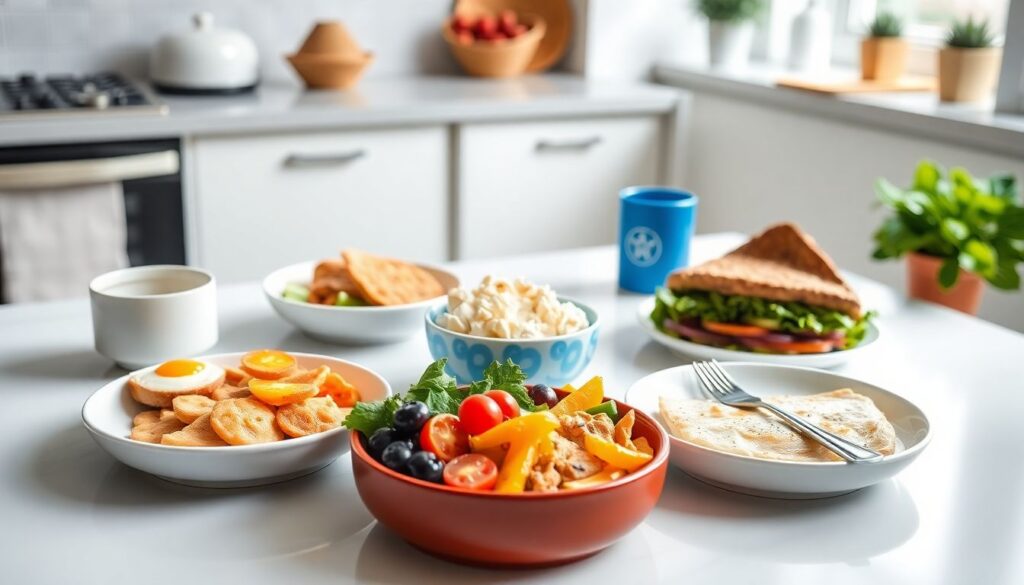
- Breakfast (pre-work, pre-study) – Tapioca or wholegrain bread with eggs and cheese + fruit + coffee.
- Pre-lunch training – Small banana or slice of bread with honey 45-60 minutes before.
- Lunch (post-workout) – 1/2 plate rice, beans or lentils, 1 palm of chicken or fish, 1/2 plate salad with olive oil.
- Afternoon snack – Yogurt with oats and fruit or a simple protein shake plus a banana.
- Dinner – Smaller portion of starch (rice, cassava, potato), lean protein, and plenty of vegetables.
Option 2: Evening gym plus quick cooking
- Breakfast – Overnight oats with milk or yogurt, chia seeds, and chopped fruit.
- Lunch – Plate with rice or pasta, beans, ground beef or tofu, plus mixed salad.
- Pre-gym snack (60-90 min before) – Toast with peanut butter and jam or fruit smoothie.
- Post-gym quick meal – Stir-fry frozen vegetables with eggs or chicken strips, serve with instant rice or couscous.
Option 3: Long run or ride morning
- Pre-session (60-90 min before) – White bread with honey or jelly + small coffee; avoid heavy fats and too much fibre.
- During – Sports drink, diluted juice with a pinch of salt, or small gels/bananas every 30-40 minutes once you pass 45-60 minutes.
- Post-session brunch – Omelette with vegetables and cheese, bread or tapioca, fruit, and plenty of water with electrolytes if very sweaty.
Option 4: Lower-carb rest day focus
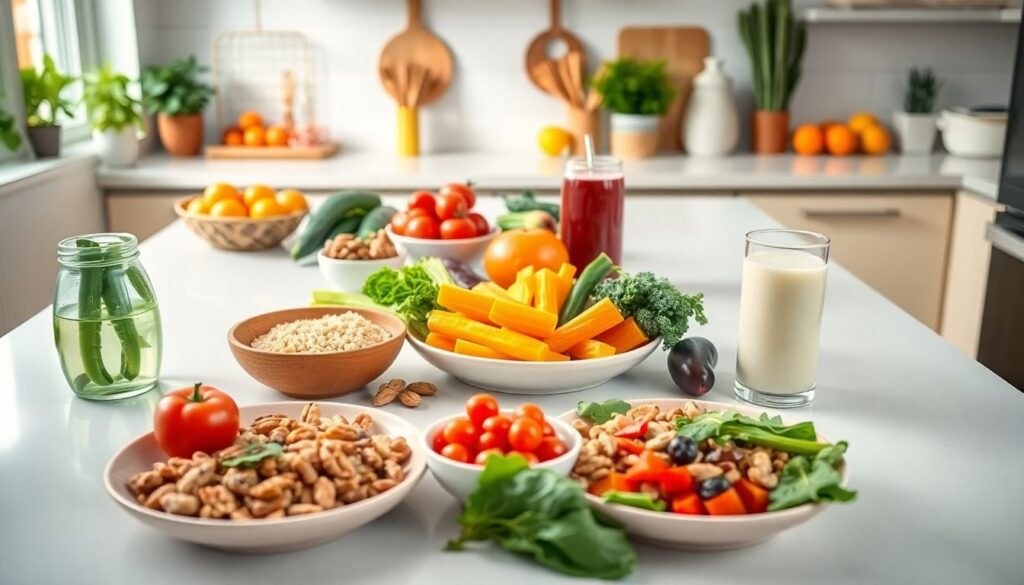
- Meals – Keep protein and vegetables high (eggs, yogurt, meats, beans, salads), reduce starch portions (rice, bread, sweets) slightly.
- Snacks – Nuts, seeds, fruit, cottage cheese, or hummus with vegetables instead of sweet biscuits and sugary drinks.
- Goal – Support recovery while gently reducing total calories without feeling restricted or obsessed.
Straight answers to common performance-nutrition dilemmas
Do I really need supplements as an amateur, or is food enough?
Most performance gains come from food and training quality. Start with regular meals, enough protein, and planned carbs around key sessions. Add just a few targeted supplements (protein, caffeine, creatine, electrolytes) if there is a clear reason, instead of relying on products to fix a disorganised diet.
How should I eat on double-training days compared to normal days?
Keep protein similar but move more total calories and carbs into the day. Eat a carb-rich meal or snack after the first session, then a balanced meal, a lighter pre-second-session snack, and another carb-plus-protein meal afterward to support recovery.
What if I feel heavy or nauseous when I eat before running?
Push your last big meal 3-4 hours before and use a small, low-fibre, low-fat snack 45-60 minutes pre-run. Start with easy options such as a ripe banana, white bread with a thin layer of honey, or a small sports drink, and adjust portion size slowly.
Is training fasted in the morning good for fat loss?
Some people tolerate light fasted sessions well, but it is not magic. If fasting makes you dizzy, very hungry later, or kills training quality, use a small carb snack instead. Progress comes from sustainable calorie balance and consistent training, not suffering through every morning session.
How can I tell if my hydration plan is working?
You should start sessions with light-yellow urine, avoid big swings in body weight during moderate workouts, recover thirst within a few hours, and feel clear-headed. Frequent cramps, headaches, or feeling either bloated or extremely dry are signs to adjust fluid and electrolyte amounts.
Should I eat differently on strength days versus cardio days?
Overall calories may stay similar, but strength days benefit from evenly spaced protein doses and some carbs before and after lifting. Long cardio days usually require more total carbs. Adjust carb portions up for long or intense endurance sessions and slightly down when training is lighter.
Do I need a sports nutritionist, or can I manage alone?
Many amateurs can get far with simple rules and self-monitoring. If you have medical conditions, complex schedules, frequent gut issues, or specific race goals, working with a qualified sports nutritionist, including a nutricionista esportivo онлайн para corredores amadores, can save time and reduce trial and error.