For everyday athletes in Brazil, professional-level sleep and recovery come from consistent routines: fixed sleep-wake times, calm pre-bed rituals, smart nutrition timing, simple recovery tools, and basic load tracking. Combine these with a quiet, dark bedroom, limited late-night screens, and gradual adjustments to training volume to see measurable performance and energy gains.
Essential sleep and recovery guidelines everyday athletes can use
- Keep a consistent sleep and wake schedule, even on weekends.
- Use a 30-45 minute wind-down routine instead of scrolling on the phone.
- Time meals and snacks to support recovery, not disturb sleep.
- Apply cold, compression, and massage strategically after harder sessions.
- Use micro‑routines during the day to manage stress and boost alertness.
- Track training load and sleep quality with simple notes or apps.
- Optimize your bedroom and devices like elite athletes do, with fewer distractions and more comfort.
How elite athletes structure pre-sleep and wake routines you can adopt
This approach suits recreational and intermediate athletes who want better recovery without complex lab testing. If you have untreated sleep apnea, severe insomnia, or are on sedative medication, work with a doctor before changing your routine, and never stop prescribed treatment on your own.
Many pros follow a structured rotina de sono de atletas profissionais para aumentar performance: fixed bedtimes, predictable wind-down, and calm, tech-light mornings. You can copy the structure with simpler tools at home.
Quick prep checklist before adjusting routines
- Choose a realistic sleep window you can respect most days (for example, 23:00-07:00).
- Tell family or roommates you are protecting this schedule.
- Pick two relaxing activities you actually enjoy (reading, stretching, breathing).
- Decide one consistent wake-up cue: alarm, open curtains, light.
- Keep a notebook or app to log bedtime, wake time, and energy for 2 weeks.
Evening routine blueprint (30-45 minutes)
- Transition out of stimulation: 45-60 minutes before bed, lower lights and finish intense conversations, work, or games.
- Screen-down rule: Aim for no social media or intense videos in the last 30 minutes; if needed, use blue-light filters or audio‑only content.
- Body down-regulation: 5-10 minutes of light stretching or mobility focusing on areas trained that day.
- Breathing or relaxation: 5-10 minutes of slow breathing, quiet music, or a short meditation.
- Bed-only rule: Use the bed only for sleep and intimacy, not for work or scrolling.
Monitoring tip: rate your sleep each morning from 1-5 and note what you did during the last hour before bed; patterns will appear within 10-14 days.
Morning routine blueprint (10-25 minutes)
- Consistent wake time: wake up at roughly the same time every day, even after a poor night (adjust bedtime earlier the next night instead).
- Light exposure: get daylight within the first hour of waking, ideally outdoors or at a bright window for 5-15 minutes.
- Gentle movement: 3-5 minutes of mobility or a short walk instead of immediately checking messages.
- Hydration before caffeine: drink water first; delay coffee 30-60 minutes if possible.
Monitoring tip: note how quickly you feel fully awake after starting this routine; reduced “sleep inertia” usually appears within about a week.
Nutrition timing and simple meal templates that speed recovery
Smart nutrition helps treino e sono: como melhorar recuperação pós-treino without complicated diets. Focus on timing, balanced plates, and avoiding heavy, late meals that disturb sleep.
Quick prep checklist for recovery-friendly nutrition
- Plan your main training times for the week (morning, afternoon, or night).
- Check what easy protein and carb sources you can keep at home or at work.
- Identify the latest time you can finish a big meal without disturbing sleep.
- Talk with a registered dietitian or doctor before using suplementos para recuperação muscular e qualidade do sono.
- Keep a simple log: training time, last meal time, and how you slept.
Simple timing rules
- Before training: eat a light meal with carbs and some protein 1.5-3 hours before, or a small carb snack 30-60 minutes before short, moderate sessions.
- After training: within about 2 hours, have a meal or substantial snack with both carbs and protein to support muscle repair and glycogen replacement.
- Evening training: keep post‑workout food lighter and finish eating at least 2-3 hours before bedtime when possible.
Meal and snack templates
- Main meals: half the plate with vegetables or fruits, a palm-sized portion of protein (fish, eggs, beans, tofu, meat), and a fist of carbs (rice, pasta, mandioca, potatoes).
- Post‑workout snacks: yogurt with fruit, a sandwich with lean protein, smoothie with milk or plant drink and banana.
- Pre‑bed snacks (only if hungry): small portion of yogurt, a piece of fruit, or a handful of nuts instead of heavy, greasy foods.
Monitoring tip: track evening heartburn, bloating, or difficulty falling asleep; adjust meal size and timing until these symptoms decrease.
Evidence‑based recovery tools: cold, compression, massage and when to apply them
These tools can help you feel fresher for training when used consistently and safely. They should never replace medical care for injuries, and you should stop and seek help if pain or numbness worsens during any technique.
Quick prep checklist before using recovery tools
- Confirm you do not have circulation problems, open wounds, or decreased skin sensation in the area.
- Gather basic equipment: ice pack or cold water, elastic bandage or compression garment, foam roller or massage ball.
- Decide which muscle groups worked hardest today.
- Set a timer so you do not overdo cold or compression.
- Have a towel and comfortable chair or floor space ready.
- Apply cold safely after intense sessions: use a cold pack or cold water on the worked area for short periods to reduce discomfort.
- Wrap ice packs in a thin cloth to avoid direct contact with skin.
- Apply for about 10-15 minutes, then remove and let the skin warm up.
- Avoid using cold right before bed if it makes you feel more alert.
- Use light compression for swelling and support: compression can reduce a feeling of heaviness after hard running or strength work.
- Use compression socks or sleeves that feel snug but not painful or tingly.
- If using an elastic bandage, wrap from the far end of the limb toward the torso, leaving fingers or toes visible for color checks.
- Remove compression if you feel numbness, strong tingling, or see color changes.
- Do gentle self‑massage or foam rolling: focus on tight but not acutely injured areas.
- Roll slowly along the muscle, pausing briefly on tender spots without holding your breath.
- Keep pressure at a level where you can still relax; avoid joints and bony areas.
- Limit sessions to about 5-10 minutes per major area.
- Sequence recovery in your weekly plan: match tools to training load instead of using everything every day.
- Use more cold and compression after the hardest sessions of the week.
- Use more massage and stretching on lighter days or rest days.
- Schedule at least one low‑intensity or rest day per week for deeper recovery.
Monitoring tip: rate muscle soreness from 1-10 before and 24 hours after using these tools; if scores drop and you feel fresher for the next session, your plan is working.
Micro‑routines for daytime alertness and better night sleep
Small, repeatable actions throughout the day lower stress, stabilize energy, and prepare your body for deeper sleep at night.
Daytime micro‑routine checklist
- Stand up or walk for 2-5 minutes every 60-90 minutes of sitting.
- Take 2-3 short “eye breaks” from screens during the afternoon, looking at a distant point for 20-30 seconds.
- Use a brief breathing drill (slow nasal inhales and extended exhales) when you feel stressed, for 1-3 minutes.
- Avoid large doses of caffeine in the 6-8 hours before bed.
- Plan intense mental work earlier in the day when possible; keep the last hour before bed mentally lighter.
- Protect a 20-30 minute quiet window in the evening for non‑stimulating hobbies or conversations.
- If you nap, keep it short (about 20 minutes) and not too late in the afternoon.
- Expose yourself to outdoor light at least once between late morning and early afternoon.
Monitoring tip: once per day, briefly note your energy (low/medium/high); after a week, adjust caffeine, breaks, or nap timing based on these notes.
Trackable load metrics and simple rules to prevent under- or overtraining
You do not need lab tests to manage load: basic notes and low‑cost aplicativos e dispositivos para monitorar sono e performance esportiva can already protect you from burnout and injury.
Common tracking mistakes that hurt recovery
- Relying only on distance, sets, or time, and ignoring how hard the session felt.
- Changing multiple variables at once: intensity, volume, and frequency all increasing in the same week.
- Training hard on many days in a row without planning lighter sessions or rest.
- Ignoring persistent morning fatigue, low motivation, or irritability as early warning signs.
- Comparing your data blindly with friends or online athletes instead of your own trends.
- Skipping any form of log; trusting memory instead of writing or tracking basics.
- Forcing personal records when sleep has been poor for several days.
- Misusing wearables by chasing “scores” instead of how you actually feel.
Simple rules for safer progression
- Increase only one of the following per week for a given discipline: total time, total distance, or intensity.
- Include at least one clearly light day after each very hard session.
- Use a 1-10 effort scale after every workout and write the number down.
- If your usual easy pace or weight feels unusually hard for 2-3 sessions, cut volume and focus on sleep.
Monitoring tip: combine your effort ratings, hours of sleep, and mood in one simple note per day; look for trends instead of single bad days.
Optimize sleep environment and device habits for measurable performance gains
Environment and technology habits often make the difference between “okay” and high‑quality sleep. You do not need perfect conditions, but you can control more than you think, even in small apartments or shared rooms.
Quick prep checklist for environment upgrades
- Identify the three biggest sleep disruptors in your room: noise, light, heat, clutter, or partner’s routines.
- Check your pillow and mattress comfort; note any morning pain patterns.
- List all devices you use in the last hour before bed and how close they are to your face.
- Decide on a “screens off” time that feels realistic for you.
- Set a small budget for low‑cost improvements (curtains, fan, earplugs).
Environment and device strategies
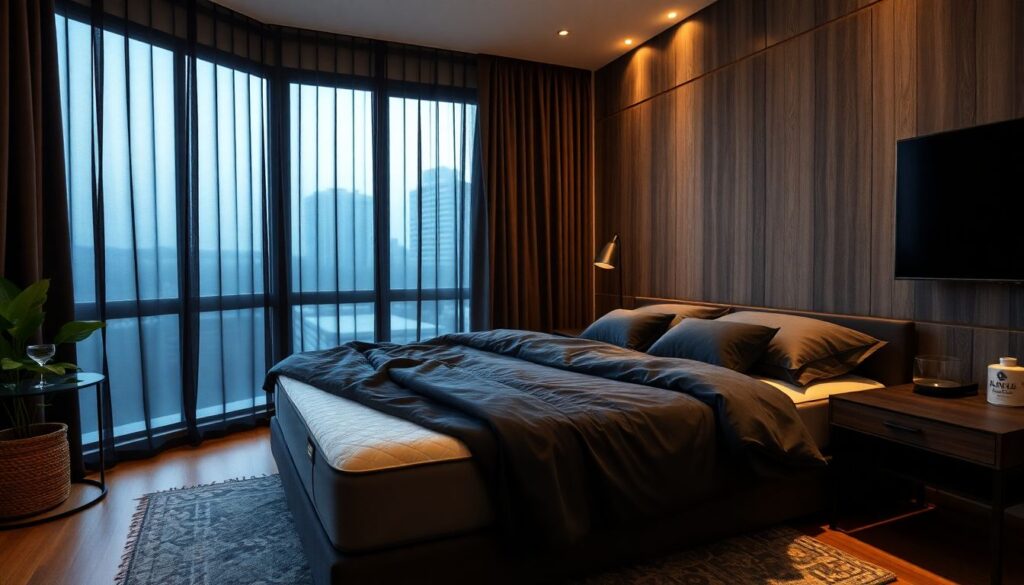
- Comfort first: choose the melhor colchão para melhorar sono e desempenho físico that your budget allows, prioritizing support that keeps your spine neutral and reduces morning stiffness.
- Light control: use blackout curtains, eye masks, or darker bedding to cut outside light; keep screens dim if you must use them.
- Noise control: use earplugs, white noise apps, or a fan to mask irregular noises.
- Temperature management: use a fan, lighter bedding, or breathable sleepwear to avoid overheating.
- Device distance: charge phones away from the bed; avoid bright, fast‑changing content in the last 30-60 minutes.
Alternative approaches when conditions are not ideal
- Shared rooms or noisy streets: prioritize earplugs, eye mask, and a fan or white noise app over more expensive changes.
- Old or uncomfortable mattress: if you cannot replace it, add a simple topper and adjust pillow height while you plan a future upgrade.
- Heavy device use for work or study: move demanding tasks earlier and use audio‑only learning or printed materials closer to bedtime.
- Limited budget and space: declutter around the bed, keep a consistent lights‑off time, and use simple breathing or stretching; these cost nothing but still improve sleep quality.
Monitoring tip: each week, change only one environmental or device habit and track how often you wake at night and how rested you feel in the morning.
Practical hurdles and straightforward fixes for adopting these habits
What if my schedule changes every week because of shifts or family duties?
Anchor at least one fixed wake time on most days, then adjust bedtime as best you can. Protect a shorter but consistent pre‑sleep routine so your brain recognizes it as a “sleep signal” even when the clock changes.
Can I copy a professional athlete’s routine exactly?
It is safer to copy the structure, not the volume. Pros build their rotina de sono de atletas profissionais para aumentar performance around many hours of training, staff support, and medical monitoring. Start with the principles here, then personalize based on your work, family, and health.
Do I really need supplements for recovery and sleep?
No, most intermediate athletes improve a lot through better routines, nutrition timing, and environment. Only consider suplementos para recuperação muscular e qualidade do sono with guidance from a healthcare professional who knows your history and medications.
How do I combine apps and wearables with listening to my body?

Use aplicativos e dispositivos para monitorar sono e performance esportiva as helpers, not bosses. Compare the data with how you actually feel each morning; if the numbers say “good” but you feel exhausted, trust your body and adjust load and bedtime.
Is cold therapy safe every day after training?
Short, moderate cold exposure is usually safe for healthy people, but daily intense use is not required and may not always be ideal for muscle growth. Use it mainly on the hardest days, and stop immediately if you feel numbness, severe pain, or skin changes.
What should I focus on first if everything feels messy?
Start with one consistent wake time and a 20-30 minute wind‑down routine without intense screens. Once this feels stable, adjust training load and nutrition timing, then gradually add recovery tools and environment changes.
How do I balance late‑night training with good sleep?
Finish intense parts of the session earlier and use a calmer cool‑down. Eat a lighter post‑workout meal, avoid caffeine late, and use relaxing breathing or stretching; if possible, slowly move key sessions earlier in the evening.
Комментарии