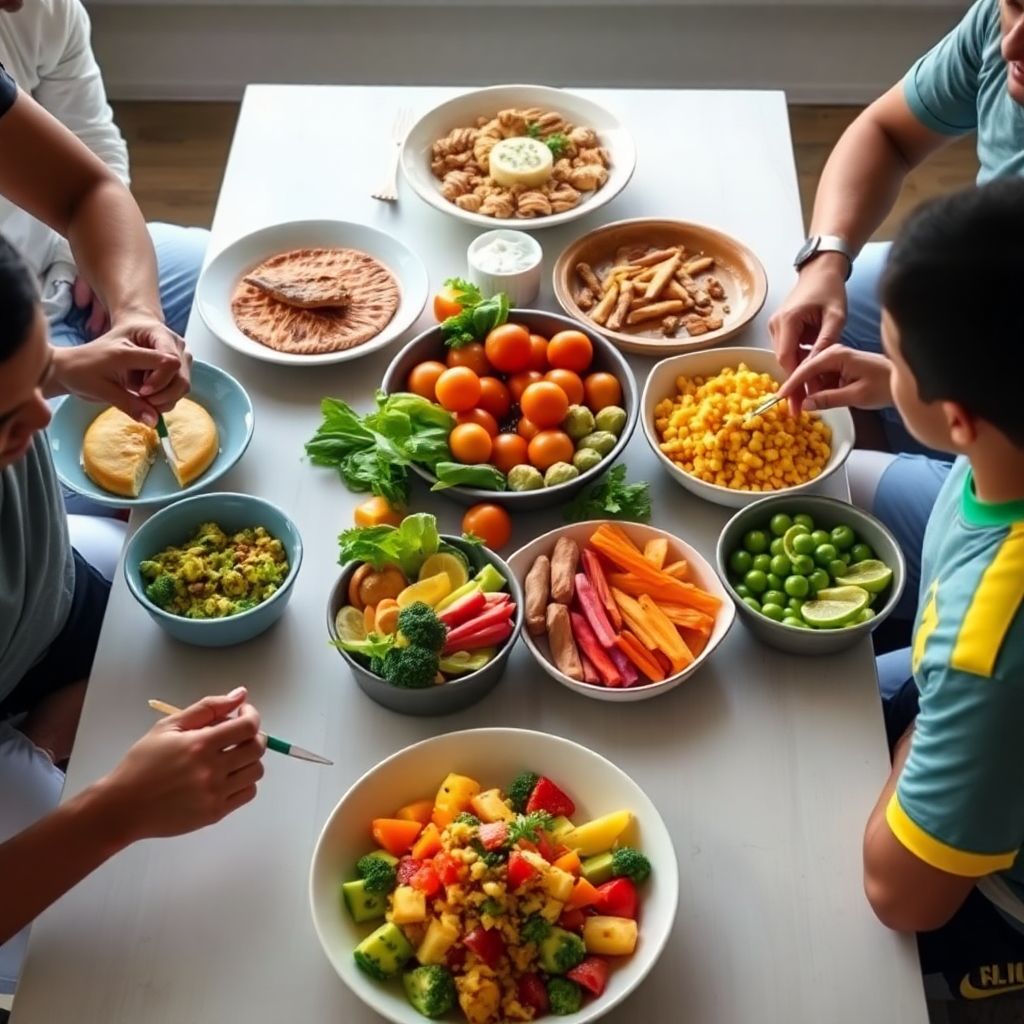
Modern sports nutrition focuses on simple, safe routines: carb-focused meals before competition, measured fluids and electrolytes plus quick carbs during, and targeted protein and carbs with antioxidants after. For Brazilian athletes, this means adapting everyday foods into a structured plano alimentar para atletas pré e pós competição that is tested in training, not on race day.
Performance Nutrition Snapshot
- Think in phases: o que comer antes durante e depois do treino or race must follow one tested script, adjusted only slightly for each event.
- Before: prioritize easy-to-digest carbohydrates, moderate protein, low fat and fiber to reduce gut distress while topping up glycogen.
- During: use fluids, electrolytes and fast carbs (drinks, gels, chews) according to event duration, climate and individual gut tolerance.
- After: combine protein for muscle repair, carbohydrates for glycogen, plus fruits/vegetables and adequate hydration for inflammation control.
- Nutrição esportiva para atletas de alto rendimento depends on repeatable routines, not exotic foods; keep choices familiar and log responses.
- Supplements are optional tools; prioritize whole-food dieta para melhorar performance esportiva and only then add carefully chosen aids.
| Phase | Main Macro Focus | Example Foods (pt_BR context) | When It Fits Best |
|---|---|---|---|
| Pre-competition (2-4 h before) | High carbs, moderate protein, low fat/fiber | White rice with chicken, tapioca with cottage cheese, pasta with light tomato sauce, pão francês with turkey and fruit | Most team sports, running, triathlon, combat sports before weigh-in window closes |
| During competition | Fast carbs, fluids, electrolytes | Isotonic drinks, gels, soft chews, diluted fruit juice with salt, banana during breaks | Events over ~60-90 minutes, endurance and repeated-sprint tournaments |
| Post-event (0-2 h after) | Carbs plus quality protein | Rice and beans with lean meat, açaí bowl with whey, omelet and bread, smoothie with milk/yogurt and fruit | All athletes seeking faster recovery and consistent training quality |
Pre-competition Fueling: Timing, Macros and Portions
This section suits intermediate to advanced athletes who already tolerate basic pre-training meals and now want to refine nutrição esportiva para atletas de alto rendimento for competition days. It is not appropriate for people with unmanaged medical conditions (e.g., severe diabetes, kidney disease) without medical guidance, or beginners who have not tested foods in training.
For a practical plan, think of three time windows: the main pre-event meal, the top-up snack, and last-minute sips.
Main meal: 3-4 hours before start
- Prioritize carbohydrates: use mostly low-fiber, low-fat options like white rice, pasta, potatoes, tapioca, bread, couscous, or farofa with little added fat.
- Add moderate protein: grilled chicken, fish, eggs, low-fat cheese, yogurt or a small portion of lean red meat.
- Keep fats low: avoid heavy cream sauces, lots of oil, fried foods and large portions of nuts, avocado or fatty meats.
- Limit fiber: reduce beans, whole grains and raw salads in this meal; small portions are often fine if tested.
- Hydrate calmly: drink water or a light electrolyte drink over the 2-3 hours before, not all at once.
Top-up snack: 60-90 minutes before
This snack is small, familiar and mostly carbohydrate to stabilize energy without overfilling the stomach.
- Tapioca with a thin layer of honey or jam
- Banana or papaya with a spoon of honey
- Pão de forma (white toast) with a little requeijão or turkey breast
- Low-fat yogurt with a small portion of cereal if well tolerated
Avoid new foods, very cold or very hot items, and large amounts of coffee right before competition if you are sensitive.
Last 15-30 minutes: simple and light
- Small sips of water or sports drink, not big gulps.
- If the event is long, a small piece of banana, a few chews or part of a sports gel can help, provided you tested them in training.
- Use caffeine only if previously tested and approved by your doctor or sports nutritionist.
Printable pre-competition checklist
- Test your planned pre-event meal and snacks at least twice in key training sessions.
- Confirm event start time, travel time, and schedule your main meal 3-4 hours before warm-up.
- Prepare foods and drinks the day before: cook rice/pasta, portion snacks, freeze bottles if needed.
- Pack backup options: extra banana, simple biscuits, gels or chews you tolerate well.
- Review medications, allergies and any medical advice that may affect your fueling.
Illustrative scenarios
Endurance runner (half-marathon): 3.5 hours before: white rice, grilled chicken, a small portion of cooked vegetables. 75 minutes before: tapioca with honey. 20 minutes before: a few sips of sports drink. This pattern supports a dieta para melhorar performance esportiva without overloading the stomach.
Indoor volleyball player in a tournament: 3 hours before first game: pasta with light tomato sauce and cheese. Between matches: banana and sports drink. Before the last game: simple toast with requeijão and water.
During-competition Intake: Hydration, Electrolytes and Quick Carbs
For safe and effective during-competition fueling, you need access to fluids, simple carbs, and time windows to consume them.
Practical requirements
- Access to fluids: Personal bottles, team coolers or aid stations. Plan who carries what and where refills are available.
- Electrolyte source: Sports drinks, electrolyte tablets or powders you can dissolve in water, or ready-to-drink isotonic beverages.
- Quick carbohydrate options: Gels, chews, easy-to-chew bars or cut fruits such as banana or orange slices.
- Carrying system: For endurance events, use belts, vests or pockets that do not chafe and that you have tested in training.
- Plan for breaks: Timeouts, half-time, pit stops, or aid stations where you can safely drink and eat without rushing.
- Monitoring tools: Simple internal checks: color of urine before the start, sense of thirst, dizziness, cramps or stomach upset.
Basic during-competition guidelines
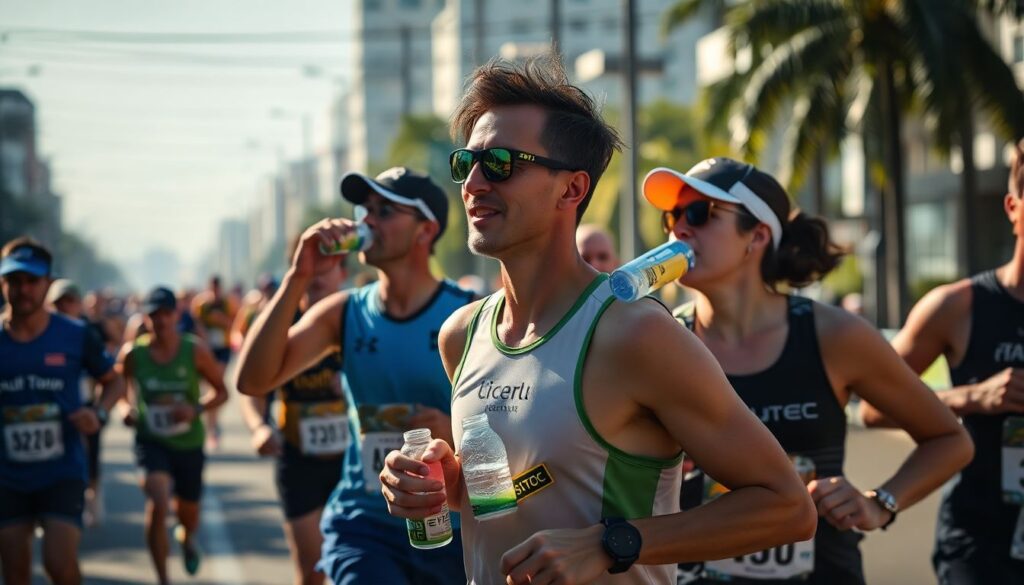
- Events up to about an hour: usually water and a small amount of carbs are enough, assuming good pre-event fueling.
- Events longer than 60-90 minutes: plan regular small intakes of sports drink, gels or chews rather than large, infrequent doses.
- In heat and humidity common in Brazil, prioritize fluids and electrolytes; watch for early signs of cramps or dizziness.
- For melhores suplementos para atletas de endurance during the event (like isotonic drinks, gels, electrolyte caps), always test tolerance in long training sessions first.
Post-event Recovery: Protein, Glycogen Repletion and Inflammation Control
Before applying the step-by-step recovery routine, organize a simple prep checklist.
Quick preparation checklist
- Plan at least one recovery meal you can access within two hours after finishing.
- Prepare or buy a portable protein source (yogurt, milk, whey, cheese, eggs or plant-based option).
- Ensure there is a carbohydrate base ready: rice, bread, pasta, potatoes, fruit or açaí.
- Keep a reusable bottle for water or sports drink for post-event hydration.
- If traveling, pack shelf-stable options like UHT milk, whey powder, cereal bars and nuts.
- Rehydrate progressively
Start sipping water or a light electrolyte drink as soon as you can drink comfortably. Avoid chugging large volumes at once to reduce nausea. Continue drinking small amounts regularly until urine returns closer to your normal pre-event color. - Prioritize easy carbs in the first hour
Choose foods that are simple to chew and digest after intense effort. Examples include fruit, bread, tapioca, white rice, mashed potatoes or açaí with moderate toppings. If appetite is very low, start with a drinkable carb source such as juice or a sports drink. - Add quality protein for muscle repair
Within two hours, include a protein source in your meal or snack. Common options in Brazil are grilled chicken, fish, eggs, lean beef, dairy products or plant-based proteins like beans combined with rice. A whey or plant-based shake is useful when solid food is not appealing yet. - Build a balanced recovery meal
Once appetite returns, aim for a full plate with carbs, protein and some color from vegetables or fruits.- Rice and beans with grilled meat and salad.
- Açaí bowl with whey, banana and granola in moderate amounts.
- Omelet with bread and a side of fruit.
- Support inflammation control
Use natural anti-inflammatory foods rather than high supplement doses on your own. Include a variety of colorful fruits and vegetables (orange, dark green, red, purple), nuts and seeds in the meals following the event. Keep alcohol intake either absent or minimal, as it slows recovery. - Observe and record your response
Note how your body feels over the next 24-48 hours: muscle soreness, energy, sleep quality and digestion. Adjust timing and portion sizes in your next plano alimentar para atletas pré e pós competição based on this feedback.
Logistics and Practicalities: Travel, Weigh-ins and Competition Constraints
Use this checklist to see if your plan is realistic for the actual competition context.
- Travel schedule allows for a 3-4 hour pre-competition meal and a small top-up snack.
- There is a safe place to store food (cooler, fridge, thermal bag) during travel and at the venue.
- You know the exact time of weigh-ins and any rules about eating or drinking before stepping on the scale.
- Your pre-weigh-in routine uses mostly low-residue, low-fiber foods and controlled fluids if you need to make weight safely.
- Competition format (heats, games, fights) is mapped so you know where breaks occur and what you can eat at each pause.
- You have at least one backup option for each critical item: extra water bottle, extra snack, alternative brand of sports drink.
- All chosen products are familiar and have been tested in training, especially for long endurance or combat events.
- Venue rules on external food and drink are checked beforehand to avoid unpleasant surprises.
- Medical conditions, allergies and medications are written down and communicated to staff or teammates if relevant.
Personalization Strategies: Body Composition, Sport Demands and Gut Tolerance
Frequent mistakes that block effective personalization can be avoided with simple adjustments.
- Copying another athlete’s plan without considering your own body size, sweat rate, and event duration.
- Making drastic calorie cuts right before competition in an attempt to change body composition quickly.
- Overusing high-fiber health foods (raw salads, whole grains, large bean portions) in the final pre-competition meals.
- Ignoring gut training: only using gels, sports drinks or caffeine on race day without practicing them in training.
- Underestimating the heat and humidity typical of many regions in Brazil, leading to insufficient fluids and electrolytes.
- Using a very rigid dieta para melhorar performance esportiva that does not allow for local foods, travel constraints and personal preferences.
- Assuming all low-carb strategies are suitable for every sport, including high-intensity and repeated-sprint events.
- Skipping regular monitoring of body weight, mood, sleep and training performance when adjusting energy intake.
- Not seeking professional help when there are signs of disordered eating, excessive restriction or fear of specific food groups.
Supplements and Ergogenic Aids: Evidence, Dosage and Timing
Food first, then well-chosen supplements. When considering melhores suplementos para atletas de endurance or other sports, speak with a qualified professional and consider these safe alternatives and contexts.
- Food-only strategy
Use sports drinks made from juice, sugar and salt, plus regular foods like bread, fruit, rice and beans. This works well for many team sports and shorter endurance events, and for athletes who prefer minimal supplement use. - Basic performance toolkit
Combine a commercial sports drink, simple carbs (gels or chews) and possibly caffeine under guidance. This is common in nutrição esportiva para atletas de alto rendimento in running, cycling and triathlon, but still anchored in a solid food plan. - Recovery-focused additions
Use whey or plant-based protein powder and possibly omega-3 supplements when daily food intake struggles to meet needs, especially in heavy training blocks far from competitions. - Clinical and medical scenarios
For athletes with medical conditions or on medications, supplements and ergogenic aids must be evaluated by medical and nutrition professionals to avoid interactions and banned substances.
Common Practical Concerns
How do I start adjusting my diet if I have never followed a structured plan?
Begin with one change at a time: standardize your pre-training meal and test it for a week. Then structure what you eat immediately after training. Only after these are consistent, refine during-event fueling and consider more advanced strategies.
What if I get stomach pain when eating close to competition?
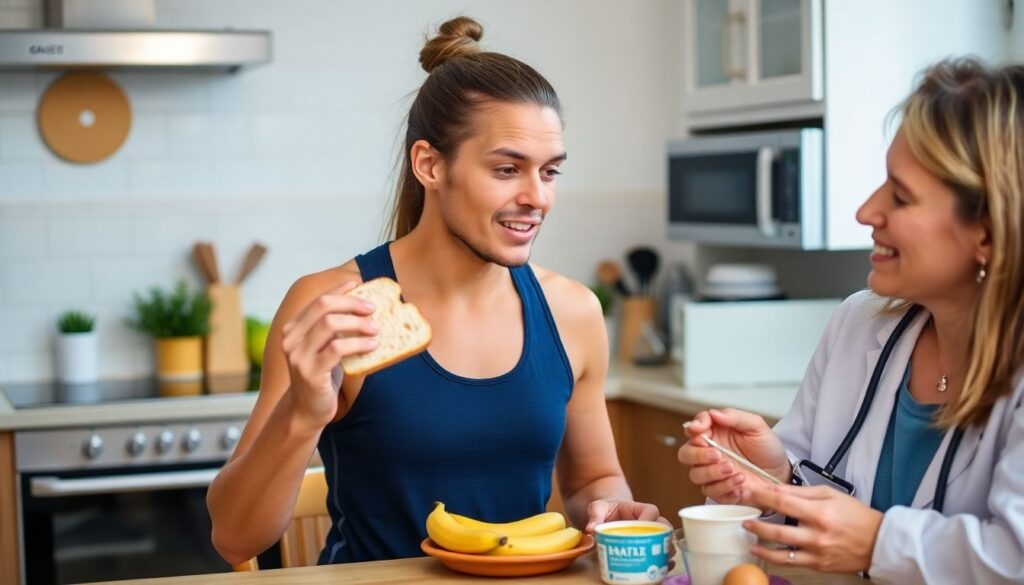
Move your main meal earlier, reduce fat and fiber, and choose softer, simpler foods like white bread, bananas and yogurt. Test different timing and portions in training, and consult a professional if symptoms persist or worsen.
Can I “make up” missed fueling during the event?
Large catch-up doses often cause nausea or diarrhea. Instead, restart with small, frequent sips of fluid and small bites of carb sources. Accept that some performance loss may occur and use it as feedback to plan better next time.
Is fast food after a race really that bad?
Occasional fast food is not catastrophic, but it is not ideal for recovery. If you choose it, still try to include some protein and fluids, and return to more balanced meals as soon as possible in the following hours and days.
How often should I change my competition nutrition plan?
Keep the basic structure stable and adjust only details like exact foods, flavors and quantities. Major changes should be tested in key training sessions or lower-priority events, not on the most important competition of the season.
Do I need supplements to perform well?
Many athletes perform at a high level using mostly food-based strategies. Supplements can be useful in some cases, but they are not mandatory and should always come after a solid, consistent food plan and medical and nutritional evaluation.