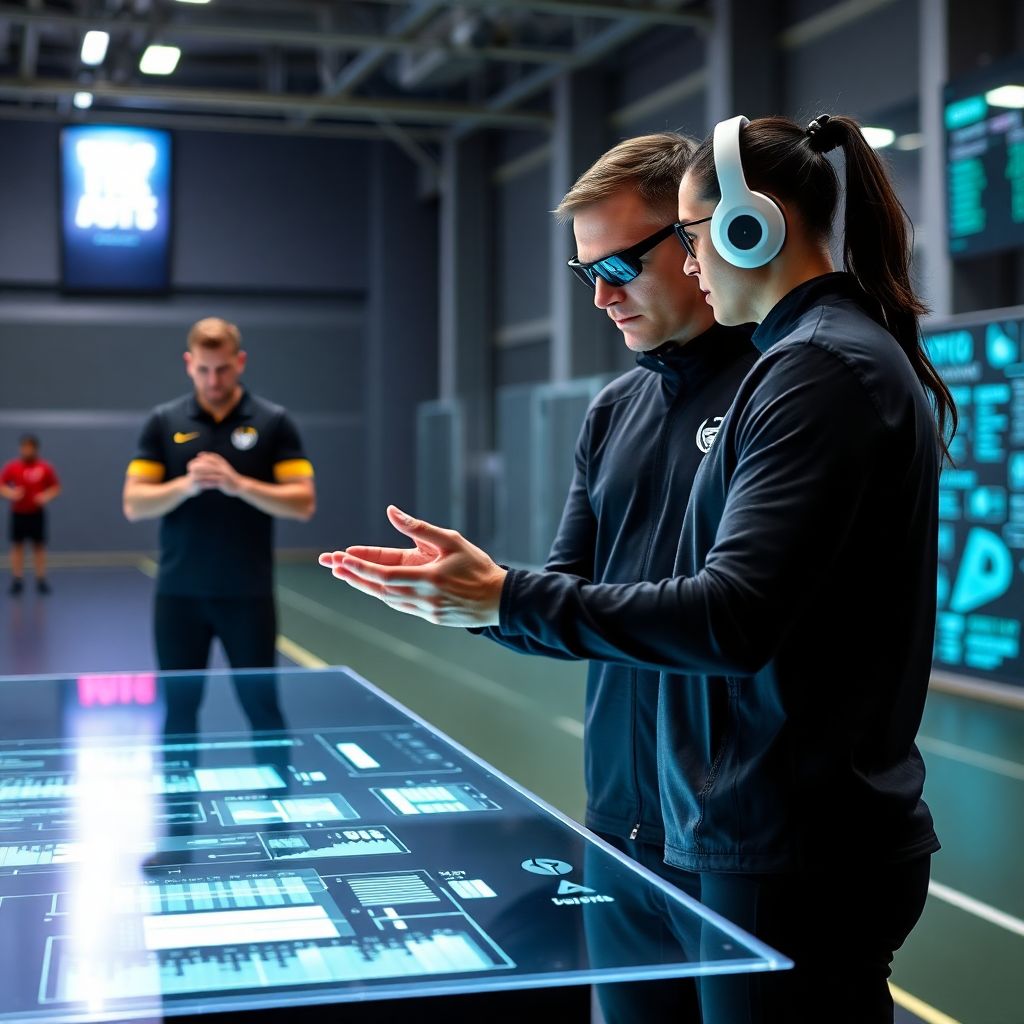
Sports tech gadgets for professional players only improve performance when you match each device to a clear objective, collect reliable data, and turn it into simple coaching actions. Start small with 1-2 priority metrics, validate them on your context, then scale to integrated platforms combining training, recovery and tactical insights.
High-impact tech highlights for on-field gains
- Prioritize gadgets that answer a specific coaching or medical question instead of chasing marketing features.
- Combine internal load (heart rate, RPE) with external load (speed, accelerations, impacts) for safer decision-making.
- Use short validation sessions to check if numbers match your video, GPS lines and players’ perception.
- For Brazilian pro squads, plan Wi‑Fi/4G backups and local data storage to avoid losing sessions in unstable networks.
- Integrate e-sports data (reaction time, APM) with physical readiness to support dual‑profile athletes and gaming houses.
- Document simple red‑flag thresholds for staff: when to reduce load, adjust roles or trigger medical screening.
Wearable sensors: metrics, placement and interpretation
Who benefits the most from wearables
Wearable sensors are ideal for clubs and academies that need objective data about movement load, sprint demands and collision risk, beyond what staff see with the eye. They are also core gadgets de tecnologia esportiva para jogadores profissionais in field sports and for hybrid athletes who also compete in e-sports.
When you should avoid or delay wearables
- If basic training structure (warm-up, volume, recovery days) is inconsistent, fix that before buying devices.
- If staff do not have at least one person with basic Excel/data skills, start with simpler tools first.
- If players strongly resist wearing vests or belts, pilot only with a small volunteer group.
Core metrics that actually guide coaching
- Volume metrics: total distance, time in speed zones, jump count.
- Intensity metrics: peak speed, accelerations/decelerations, high‑intensity efforts.
- Load-related metrics: player load from IMU, impacts per session, asymmetry between sides.
- Contextual metrics: per position, per drill, per microcycle to support planning.
Safe placement and basic setup
- Use manufacturer vests for GPS/IMU between shoulder blades; avoid DIY straps that may move during sprints.
- For limb sensors, secure with elastic bands over compression garments to reduce skin irritation.
- Check battery level before sessions and sync all devices in the same docking station to avoid missing data.
Interpreting numbers without overreacting
- Compare each player to their own 2-4 week baseline instead of squad averages.
- Flag sudden changes in volume or intensity rather than single high days that follow a progressive build‑up.
- Always cross‑check with subjective wellness and technical staff feedback before changing roles or minutes.
Example: Brazilian pro football training week
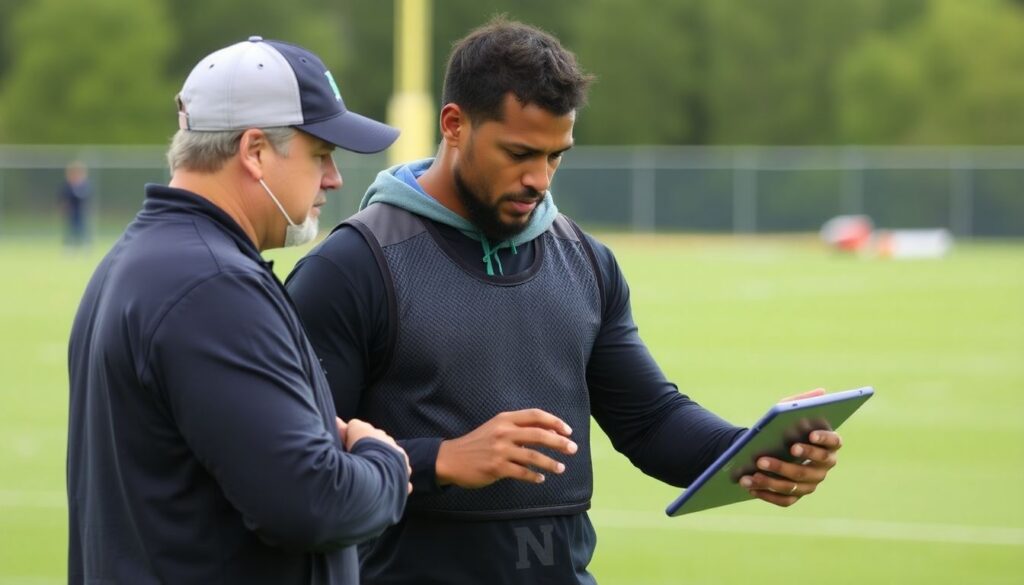
A Serie A club uses GPS/IMU vests to monitor wingers’ high‑speed running. Staff notice one winger with consistently higher decelerations and player load than peers. They adjust his small‑sided games, add recovery focus, and reduce late‑week spikes, lowering his reported soreness without losing match output.
Smart footwear and force plates: load, asymmetry and injury risk
What you need to run a safe setup
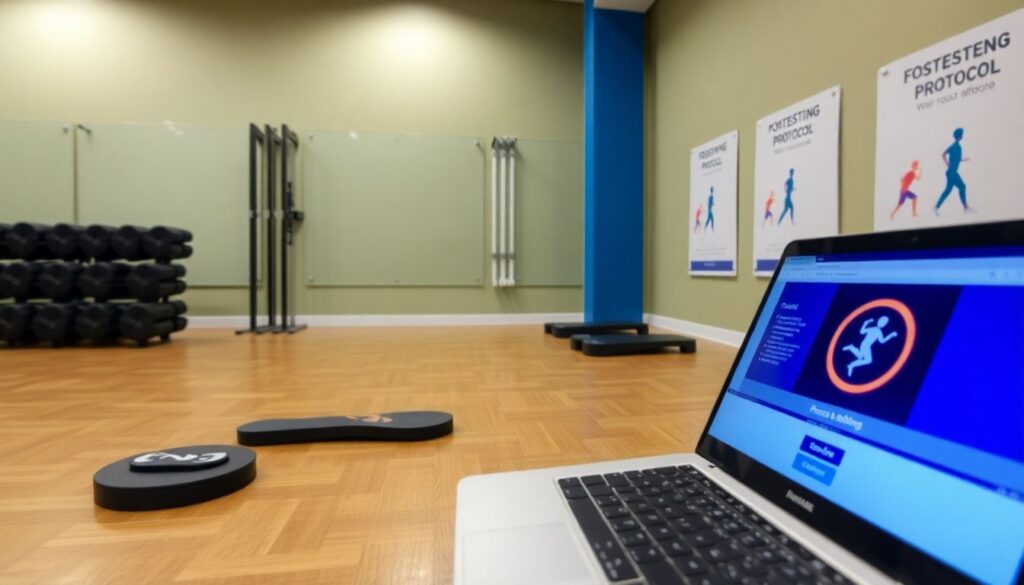
- Smart insoles or boots compatible with your sport surface (grass, futsal, court) and shoe models.
- A stable laptop/tablet with the vendor app plus surge‑protected power for force plates in Brazilian facilities.
- Clear testing protocols (jump type, reps, rest) written and visible in the gym.
Key metrics from smart footwear
- Contact time, peak force and pressure distribution per foot.
- Left-right asymmetry during sprints, cuts and landings.
- Step rate and stride length for runners and wide players.
Key metrics from force plates
- Jump performance: jump height, rate of force development, eccentric load in countermovement jumps.
- Imbalance: take‑off and landing asymmetry for rehabilitation and return‑to‑play decisions.
- Fatigue markers: reduced power or altered force-time curves after congested fixtures.
Practical requirements and staff roles
- One staff member trained to calibrate plates and check for unstable surfaces before each session.
- A physio or S&C coach responsible for deciding when an asymmetry is clinically relevant, not just statistically different.
- Basic scheduling plan so players know when testing happens and do not rush warm‑ups.
Example: return-to-play from ankle sprain
A futsal club uses force plates and smart insoles after an ankle sprain. They compare single‑leg jumps and cutting drills with pre‑injury values. When asymmetry falls within an agreed narrow range and the athlete also clears field tests, staff safely allow full return to competition.
Vision systems & ball-tracking: extracting tactical performance data
- Define tactical questions and key events Before installing any cameras, decide what you want to analyse: pressing triggers, line height, passing options, rotations, or space control. This ensures you choose suitable gadgets instead of chasing generic highlights.
- Design camera layout and coverage Plan how many cameras you need and where to place them to avoid blind zones.
- Prioritize a wide tactical angle plus one or two complementary angles near critical zones (goal, mid‑block space).
- Check for sun direction and stadium lights to reduce glare and reflections on lenses.
- Ensure the system respects local broadcast and league regulations in Brazil.
- Calibrate the field and ball-tracking Use the vendor workflow to map pitch lines, goals and reference points.
- Run a short calibration before the first match and after any major camera movement.
- Test ball‑tracking with long passes, crosses and high balls to see where the system loses accuracy.
- Log issues so support can fine‑tune models for your stadium.
- Tag events and build dashboards Decide which actions staff will tag manually and which the system detects automatically.
- Start with a small event set: recoveries, line breaks, shots, entries in danger zones.
- Connect tactical tags to physical data (distance, speed) when possible.
- Create simple views per line (defence, midfield, attack) instead of complex all‑in‑one dashboards.
- Integrate into weekly workflow Set clear time blocks when coaches review clips and share them with players.
- Limit video meetings to short, targeted sessions with 5-10 clips per player or unit.
- Export a few key metrics to your main data platform so you do not manage multiple spreadsheets.
- Regularly ask players if the clips actually help them read the game faster.
Fast-track mode: tactical tracking in minimal time
- Start with one wide‑angle camera and basic tagging of recoveries, shots and line breaks.
- Use one weekly meeting to review 8-12 clips focused on your main tactical theme.
- Only add automatic ball‑tracking and extra angles once staff consistently use the first data outputs.
- Evaluate value every month: if decisions do not change, simplify tags or drop low‑impact reports.
Recovery technologies: monitoring readiness and optimizing return-to-play
Readiness tools you can trust
- Night-time HRV wearables and smart rings to monitor autonomic balance across the week.
- Simple wellness apps (sleep, soreness, mood) with daily check‑ins before training.
- Non‑invasive neuromuscular tests (jump metrics, hand‑grip) using existing force plates or dynamometers.
Checklist: did recovery data actually help?
- You can point to at least a few concrete decisions (reduced volume, modified gym session) driven by recovery metrics.
- Players understand their own recovery scores and can predict how they will feel on match day.
- Subjective wellness trends match or reasonably explain objective data from HRV and jump tests.
- You have written red‑flag criteria (for example, combination of poor sleep and large load spike) agreed by staff.
- Medical and performance staff use the same dashboard, not separate spreadsheets.
- Return‑to‑play progressions include both physical markers and skill‑specific comfort reports from the athlete.
- No player is cleared for full contact based only on a single device metric without a field‑based test.
- Travel and schedule constraints (long flights, late matches) are visible in the data and incorporated into plans.
- For dual‑role athletes and gamers, intense gaming blocks are treated as cognitive load and monitored like late‑night work.
Example: congested fixture period
During three matches in one week, a club monitors HRV, wellness and jump height. When several starters show poor recovery markers and increased soreness, staff reduce pre‑match volume, adjust rotations and add extra sleep hygiene support, maintaining performance across the cycle with fewer soft‑tissue complaints.
Data platforms and AI models: from raw signals to individualized prescriptions
Frequent pitfalls when moving to integrated platforms
- Buying a complex system without first mapping your current data sources (GPS, wellness, video, medical records).
- Allowing each department to keep its own private database, blocking a unified view of the athlete.
- Relying on black‑box AI risk scores without knowing which underlying metrics drive the alert.
- Importing data with inconsistent player IDs, leading to duplicated or mixed athlete histories.
- Skipping basic data cleaning, so outliers or missing sessions distort all dashboards.
- Creating more KPIs than staff can realistically monitor during a busy season.
- Not training coaches and physios on how to read and question model outputs.
AI-specific mistakes to avoid
- Training models on very small internal datasets and expecting reliable injury prediction.
- Ignoring context variables such as travel, opponent level, weather and tactical changes.
- Assuming metrics from e-sports (reaction time, accuracy) are directly comparable across games and platforms.
- Failing to re‑evaluate models each season when staff, style of play or squad profile change.
Example: individualized training prescriptions
A Brazilian club centralizes GPS, wellness, match stats and gym loads. Instead of a generic weekly plan, the platform highlights players needing more high‑speed meters, others requiring eccentric strength focus, and a small group flagged for reduced load due to combined internal and external stress.
Deployment checklist: logistics, validation and staff workflow integration
Alternative paths when budget or staff are limited
- Low-tech, high-discipline alternative Use RPE, wellness forms, manual video coding and simple stopwatches. Suitable for lower‑division Brazilian clubs where budget is tight but staff are committed to consistent routines.
- Single-vendor ecosystem Choose one provider for wearables, platform and basic video. Useful when you lack IT staff and prefer integrated support, even if you lose some flexibility.
- Modular stack with open data exports Combine best‑in‑class devices (GPS, force plates, vision) that can export to CSV or APIs. Works well when you have a data‑savvy coach or analyst.
- E-sports-focused path For gaming houses and teams searching for melhores wearables para performance em esportes eletrônicos and dispositivos de monitoramento de desempenho para gamers profissionais, prioritize reaction‑time tools, aim‑training metrics and sleep/recovery wearables before investing in full physical tracking.
Validation steps every pro environment should follow
- Run simple field tests comparing new gadget metrics with your current timing or video methods.
- Check repeatability across two sessions; data should be similar when conditions are the same.
- Pilot with a small player group for several weeks before full‑squad rollout.
- Review legal and data‑protection requirements in Brazil, especially for youth and academy athletes.
- Document where you will buy replacements and support: clarify onde comprar gadgets de tecnologia esportiva para e-sports and field devices with reliable local warranty.
Example: high-tech vs. structured low-tech
A second‑division club cannot afford full equipamentos de alta tecnologia para treinamento de e-sports and field squads. They start with wellness, RPE and basic video, add one affordable GPS unit for fitness tests, and only later move to a small pool of wearables once routines are stable and staff know exactly what they need.
Device selection overview: metrics, benefits and complexity
| Gadget type | Key metrics | Practical competitive benefit | Cost / complexity level |
|---|---|---|---|
| GPS / IMU wearables | Distance, speed zones, accelerations, impacts, player load | Manage training load, position‑specific demands, return‑to‑play progressions | Medium to high: hardware plus data workflow |
| Heart-rate & HRV bands | Heart rate, HRV, training impulse | Balance internal vs. external load, monitor recovery and chronic stress | Low to medium: easy to deploy, needs education on interpretation |
| Smart insoles / footwear | Foot pressure, contact time, asymmetry | Identify risky patterns in sprints, cuts and landings, especially after injury | Medium: more setup, careful sizing and maintenance |
| Force plates | Jump height, power, eccentric load, asymmetry | Monitor fatigue, guide strength work and return‑to‑play milestones | Medium to high: cost plus need for standardized protocols |
| Vision & ball-tracking systems | Player positions, space control, ball trajectories | Extract tactical patterns, improve decision‑making and line coordination | High: cameras, software, staff time to tag and interpret |
| Gaming & e-sports trackers | APM, reaction time, accuracy, session volume | Optimize practice structure and fatigue management for pro gamers | Low to medium: relatively affordable, needs integration with wellness data |
Typical practitioner concerns – concise answers
Do we really need high-tech gadgets to improve performance?
No. You can progress a long way with structured training, RPE and simple video. Gadgets add value when they answer specific questions you cannot solve with basic tools, such as detailed load profiling, asymmetry quantification or automated tactical tracking.
How many different systems should a professional club use?
Most environments function well with two or three core systems: one for load tracking, one for recovery/readiness and one for video/tactical. More than that is possible, but only if you have clear workflows and someone responsible for integration.
How can we avoid data overload for coaches and players?
Limit front‑line dashboards to a handful of essential metrics per role. Hide advanced views behind extra clicks for analysts. For players, translate outputs into simple colour codes or clear targets instead of long tables.
Are e-sports and traditional sports metrics comparable?
Not directly. Physical load metrics (GPS, force plates) and gaming metrics (APM, accuracy) describe different stress types. Treat them as complementary, especially for athletes who both compete physically and spend many hours in high‑intensity gaming.
What is a safe way to start with wearables in a Brazilian club?
Begin with a small group of healthy starters, clearly explain benefits and routines, and run a pilot period focused on one or two decisions, such as training volume and sprint exposure. Only expand when you see consistent value and stable workflows.
How often should we review our tech stack?
At least once per season or major competition cycle. Reassess whether each device still answers a key question, whether staff actively use the data, and whether simpler or more integrated options now exist.
Where should we buy and support these gadgets in Brazil?
Prefer official distributors or vendors with local technical support, clear warranty terms and training material in Portuguese. When importing directly, confirm taxation, repair options and compatibility with local power standards before purchase.