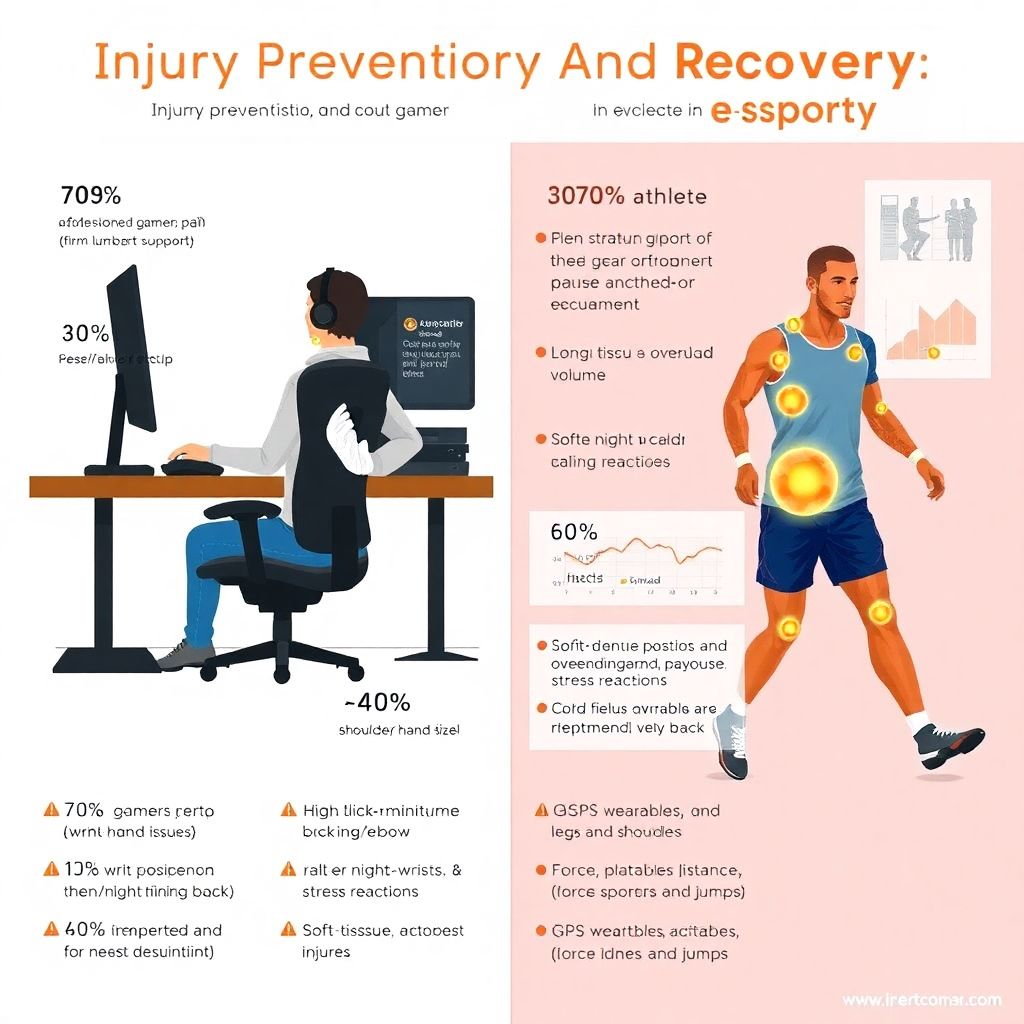
Over the last three years, injuries in both e-sports and traditional sports have stopped being “bad luck” and started looking like a management problem. A 2023 review on competitive gamers found that more than 70% reported pain in the last year, mainly in neck, back, wrist and hand. In classic sports, surveillance data from larger leagues show that soft‑tissue overload and overuse now make up over 50% of all recorded injuries. Different arenas, same story: repetitive stress, poor load management and late reaction to warning signs. The good news is that both worlds can borrow solutions from each other.
Current injury landscape: numbers you should actually care about
Between 2022 and 2024, several studies on professional and semi‑pro gamers converged on similar trends: roughly 40–50% report wrist or hand pain, about 40% shoulder or elbow issues, and close to 60% some level of back or neck discomfort. Sleep problems and eye strain hit more than half of players who train over five hours por dia. In traditional team sports, international monitoring systems show stable or slightly rising injury rates, but a clear shift toward chronic tendinopathies and stress reactions rather than dramatic one‑off traumas. For 2025, consolidated public data are still limited, so decisions should stick to confirmed 2022–2024 findings.
Why gamers and classic athletes get hurt for the same basic reasons
Whether you’re grinding ranked matches or running intervals on the track, the mechanisms repeat: too much load, too little recovery, and sloppy mechanics. For gamers, the cocktail usually includes long static postures, high click-per-minute volume, sudden training spikes before tournaments and lack of strength work. Field or court athletes err on the other side: explosive efforts on fatigued tissue, playing through “manageable” pain, and skipping mobility when the schedule gets tight. In both cases, a sustainable routine needs structured volume, regular deloads, and early response when discomfort shows up more than three sessions in a row.
prevenção de lesões em e-sports: simple rules that beat fancy hacks
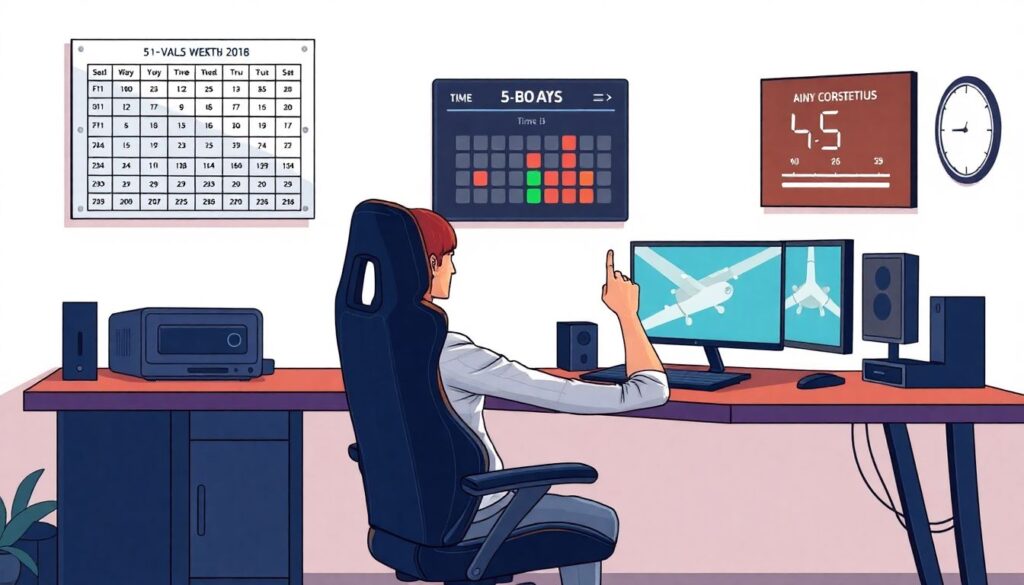
A solid rotina de prevenção de lesões em e-sports looks boring on paper, but it works. First, control weekly hours: sudden jumps over 20–30% in play or scrim time are linked to spikes in wrist and back complaints. Second, break every 45–60 minutes, even during ranked grind. Third, integrate 2–3 short strength sessions focused on forearms, shoulders, upper back and core. Finally, track early warning signs instead of waiting for a full‑blown injury: recurring numbness, night pain, drop in grip strength, or needing more than 10 minutes to “warm up” joints at the start of a session.
- Limit intense gaming blocks to 3–4 hours with structured pauses
- Add 5–10 minutes of mobility before each long session
- Train grip, scapular stability and posterior chain weekly
- Log pain, tingling and fatigue after hard practice days
equipamentos ergonômicos para jogadores de e-sports: what actually matters
Buying expensive gear makes sense only if you set it up properly. The most important equipamentos ergonômicos para jogadores de e-sports are an adjustable chair, a desk at correct height and a mouse that matches your hand size and grip. Your elbows should sit at roughly 90 degrees, shoulders relaxed, feet flat on the ground. Monitor height should keep your eyes at the upper third of the screen, reducing neck flexion. Wrist “rests” often create more compression; aim for neutral wrists with forearms supported instead. After each hardware change, give yourself 1–2 weeks to adapt before judging comfort or performance.
- Choose a chair with firm lumbar support, not just thick padding
- Use a lighter mouse if you play at low sensitivity and high APM
- Keep keyboard and mouse close enough to avoid reaching forward
- Check that you can keep spine tall without shrugging shoulders
Recovery basics: how to avoid turning discomfort into downtime
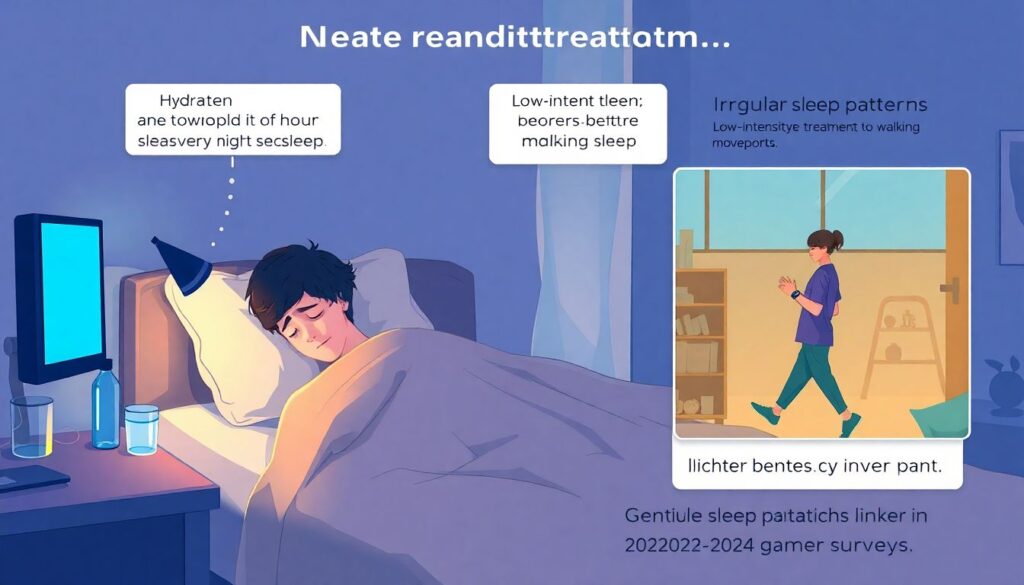
Recovery starts long before you walk into a medical office. Hydration, sleep quality and low‑intensity movement between sessions are the real foundations. Aim for at least seven hours of consistent sleep; irregular patterns were strongly linked to higher pain reports in several 2022–2024 gamer surveys. For both runners and riflers, active recovery days with light cardio and mobility beat complete inactivity. Ice, braces and painkillers may temporarily blunt symptoms, but if you need them for more than a week to keep playing, that is a red flag. At that point, an early evaluation usually means weeks of adjustment instead of months off.
When and how to use fisioterapia para gamers profissionais
fisioterapia para gamers profissionais is finally becoming its own niche, borrowing tools from hand therapy, sports rehab and occupational health. A good physio will not only treat pain, but also look at posture, mouse technique, keyboard angle and training load. Expect a combination of manual therapy to calm symptoms, specific strengthening for forearms, rotator cuff and mid‑back, and education on pacing your sessions. For field athletes, the same professional can integrate return‑to‑play testing and conditioning. The key is continuity: a single appointment rarely solves chronic overload; progress comes from 6–8 weeks of guided work plus changed habits at the desk or on the field.
- Seek physio if pain lasts >10–14 days or worsens with play
- Ask for exercises that fit into 10–15 minute daily blocks
- Take videos of your gaming posture to review together
- Agree on clear “stop” criteria for pain during practice
From clinic to stage: choosing a clínica de reabilitação esportiva para atletas e gamers
For more complex or persistent issues, a specialized clínica de reabilitação esportiva para atletas e gamers makes a big difference. Look for a team that includes sports physicians, physiotherapists and strength coaches who understand both keyboard and field demands. Ideally they will use objective metrics—grip dynamometry, range-of-motion tests, jump or sprint analysis—and not just “feel” to clear you for return. In the last few years, more centers started offering hybrid programs: on‑site assessments plus remote follow‑up for esports teams during the season. This model cuts travel time yet keeps accountability, which is critical for younger players who struggle with adherence.
tecnologia de monitoramento de lesões esportivas: turning data into fewer flare-ups
Wearables and software for tecnologia de monitoramento de lesões esportivas have exploded in both scenes. Traditional athletes use GPS, inertial sensors and force platforms to track distance, accelerations and jump loads. Esports players now have access to tools that log mouse clicks, keystrokes, posture angles via cameras, and even muscle activity through EMG sleeves. The goal is not collecting pretty graphs, but spotting risky patterns: big weekly load jumps, asymmetric movements, or late‑night spikes in training volume. Used well, these tools help coaches adjust schedules, rotate roles, and flag players who need deload weeks before pain forces a break.
- Track total hours and intensity, not only matches played
- Review weekly trends; watch for sudden 30%+ load increases
- Pair subjective pain scores with objective data from wearables
- Share reports with medical staff for targeted interventions
Borrowing recovery tools from traditional sports
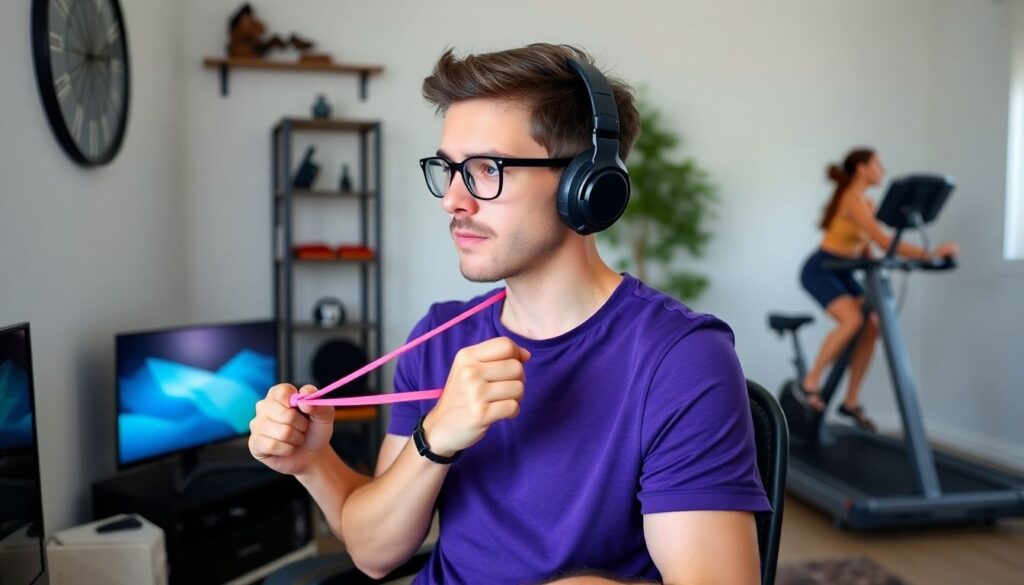
Classic sports rehab offers a toolbox that gamers can adapt without needing a full gym. Elastic bands build rotator cuff and scapular strength with minimal equipment. Isometric holds for wrist flexors and extensors calm tendon pain while maintaining capacity. Low‑impact cardio, like cycling or walking, keeps circulation high and helps manage stiffness from long sitting hours. Even simple breathing drills before and after sessions can down‑regulate the nervous system, which correlates with better pain control and sleep quality in several 2022–2024 athlete studies. The point is to treat your body like hardware that needs proactive maintenance, not emergency fixes.
Daily checklist to stay in one piece
Transforming theory into habit is where most players fail, so keep a simple checklist. Before practice, run 5 minutes of joint prep for wrists, shoulders and spine. During play, insert micro‑pauses every match to stand up, roll shoulders and reset posture. After practice, log pain from 0 to 10 and note where it appears; any score of 4 or more for a week deserves attention. At least twice per week, do a 20–30 minute strength and mobility session. Once per season, schedule a screening with a physio or sports doc to catch issues early instead of waiting for a forced break.