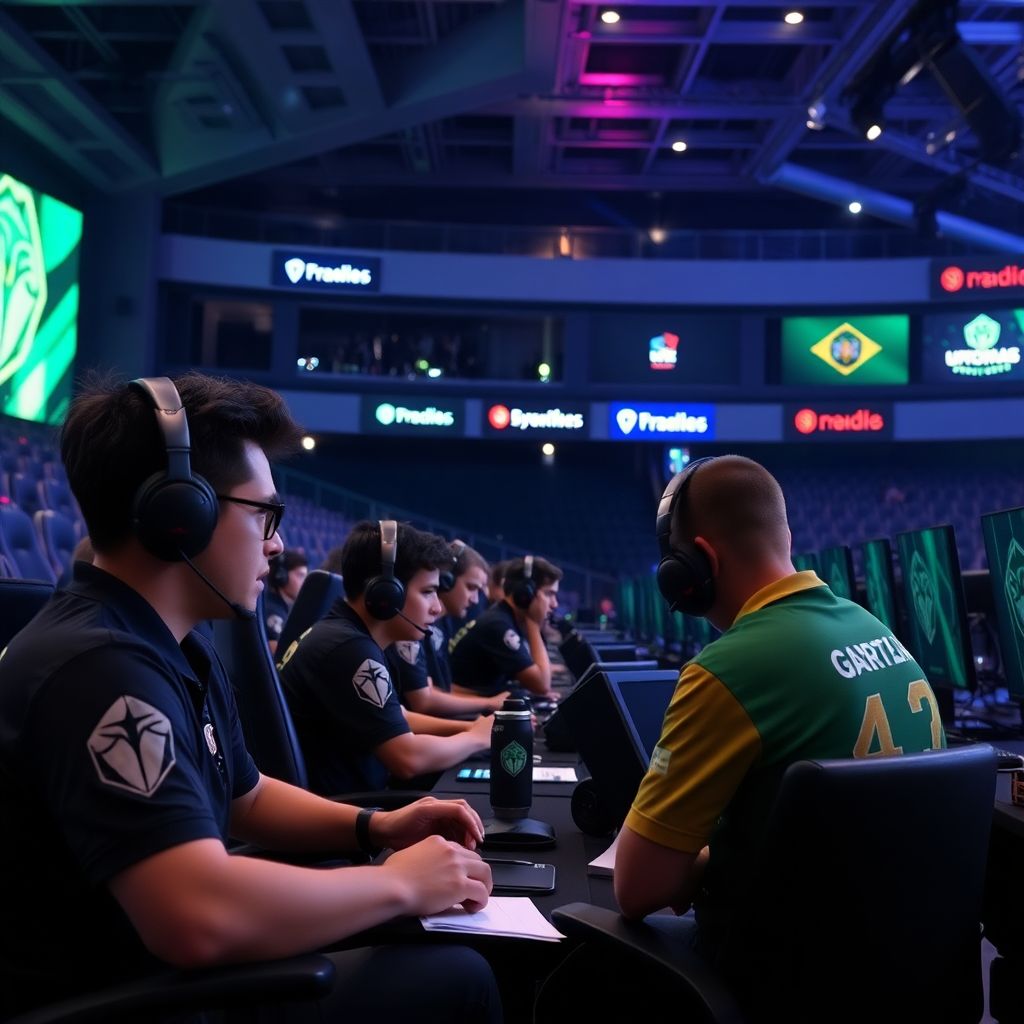
Sponsorships and promotions shape Brazilian e-sports by deciding which teams become professional, which tournaments survive, and how visible players and games are. To navigate patrocínio de e-sports no Brasil safely, teams and sponsors must use clear contracts, transparent payments, realistic KPIs, and activate brands without distorting competitive integrity.
Strategic Highlights on Sponsorship Influence
- Sponsorship money determines if a team can pay salaries, coaching, and bootcamps, directly affecting competitive results.
- Brands and tournament organizers influence which games, formats, and regions get visibility in Brazil.
- Poorly designed promotions can pressure players, distort competitive schedules, or favor some teams unfairly.
- Well-structured contracts protect both investors and players, aligning incentives with long-term performance.
- Data-driven KPIs help sponsors decide whether to investir em patrocínio de e-sports no Brasil or reallocate budgets.
- Regulation, disclosure, and ethical rules are essential to keep sponsorship from becoming hidden match influence.
Funding Flows: How Sponsors Shape Team Economics
Sponsorship is the main pillar of team economics in Brazilian e-sports. For most organizations, prize money and merch are not enough to sustain infrastructure, so patrocínio de e-sports no Brasil pays for salaries, gaming houses, analysts, psychologists, and travel. The size, stability, and conditions of these deals shape how competitive a roster can be.
This approach is suitable for:
- Teams already competing in structured leagues (CBLOL, CBCS, regional VALORANT) that need recurring revenue.
- Brands wanting deep connection with Gen Z and gaming culture, beyond traditional sports.
- Investors aiming at long-term positioning rather than quick, speculative returns.
However, relying heavily on empresas que patrocinam times de e-sports is not always ideal. It is risky when:
- The team has no legal entity (CNPJ), accountant, or basic compliance: sponsors will likely avoid formal contracts.
- All fixed costs (salaries, rent) depend on a single sponsor; one non-renewal can collapse the team.
- Management accepts products-only deals (gear, energy drinks) while taking on high financial obligations.
Brazil-specific example: a mid-tier Free Fire team in São Paulo closes an annual deal with a local hardware store chain. The sponsor pays a monthly fee that covers two players’ salaries and bootcamp rent, in exchange for jersey logo and co-branded social media content. Without that recurring support, the team would compete only casually.
Brand Partnerships and Tournament Ecosystems
To structure strong brand partnerships and healthy tournament ecosystems in Brazil, you need clear tools, processes, and minimum infrastructure. This applies both to teams and to event organizers negotiating with a agência de marketing para e-sports no Brasil or directly with sponsors.
Core requirements for teams:
- Legal structure: CNPJ, basic contracts template, and bank account in the organization’s name.
- Media kit: updated deck with reach (social channels), audience profile, game titles, competitive history, and case examples.
- Content pipeline: defined formats (streams, vlogs, Reels/TikTok) showing how the brand will appear naturally.
- Commercial lead: at least one person responsible for outreach, proposals, and relationship with sponsors.
Core requirements for tournament organizers:
- Event rights package: list of assets (naming rights, banners, in-game branding, broadcast segments, MVP awards).
- Production plan: basic rundown of cameras, casters, platforms, and approximate schedule.
- Brand safety guidelines: what sponsors can and cannot activate (language, betting/alcohol limitations, competitive neutrality).
- Clear prize-pool and payment schedule for teams, separated from sponsor money to avoid conflicts.
Brazilian case example: a regional League of Legends tournament in Minas Gerais partners with a local internet provider. The provider gets naming rights plus in-stream ad segments. A small agency of marketing for e-sports no Brasil translates that into a package: logo integration, influencer drops, and community challenges, while keeping competitive rules fully neutral.
Player Careers: Contracts, Incentives, and Mobility
Player careers in Brazil are directly molded by sponsorship structures. Below is a step-by-step method to set up safe, clear contracts and incentives that align brand money with fair opportunities and mobility for players.
-
Map the player’s role in sponsored activities
Define how the player will represent sponsors: streams, social posts, media days, or product placements. This prevents last-minute demands that harm training.
- List expected monthly content (e.g. number of posts or hours of branded streams).
- Clarify if the player must attend offline events or travel for sponsor activations.
-
Draft a contract with clear revenue sources
Split the agreement into competitive obligations and commercial obligations. Make explicit which part of the salary comes from sponsor deals.
- Include clauses on minimum payment, due dates, and late-payment consequences.
- Define bonus logic tied to results, content performance, or both.
-
Protect player image rights fairly
Grant the team and sponsors the right to use the player’s image, but with limits. Avoid open-ended, perpetual usage that continues long after the contract ends.
- Add duration for image use after contract termination.
- Exclude sensitive or controversial product categories if the player requests.
-
Structure incentives that do not distort competition
Bonuses should reward performance without encouraging burnout or toxic behavior. Avoid incentives that push players toward unsafe workloads.
- Use team-wide bonuses for league placements instead of individual kill counts.
- Limit extra content days during playoff phases to preserve focus and health.
-
Define transfer and buyout rules transparently
Player mobility in Brazilian e-sports often depends on buyouts. Make the amount and conditions explicit, linked to remaining contract time and role.
- Set a buyout cap to avoid trapping players in weak projects.
- Allow for mutual termination if salaries are delayed beyond a grace period.
-
Include safety, health, and anti-abuse clauses
Contracts should guarantee safe working conditions and channels to report abuse from staff, teammates, or sponsors.
- State maximum training hours per day and mandatory weekly rest.
- Provide a safe way to complain to management or an independent contact.
-
Review with a lawyer experienced in sports or entertainment
Before signing, both team and player should have a Brazilian lawyer review the document. This is particularly important when sponsor demands are heavy.
- Check compliance with Brazilian labor and image-rights laws.
- Ensure minors (under 18) have proper parental or guardian authorization.
Fast-Track Mode for Safe Player-Sponsor Structuring
- Write down all commercial tasks expected from the player (posts, streams, events).
- Put salary, bonuses, and image-rights conditions into a simple written contract.
- Specify how transfers and contract termination work, including buyout limits.
- Cap training hours and define rest, then validate everything with a local lawyer.
Audience Growth: Activation, Content and Monetization
Audience growth connects directly to the quality of activations and promotions around a team or tournament. Well-designed programs turn sponsor funding into larger, more engaged Brazilian communities. The following checklist helps you verify whether your initiatives are actually shaping the competitive scene in a healthy way.
- Brand appears natively in content (jerseys, overlays, narratives) without overwhelming broadcasts or streams.
- Promotions add value for fans (giveaways, coaching sessions, watch parties), not just coupon codes.
- Content cadence is stable and does not spike only when a new sponsor arrives.
- Players participate in branded content within pre-agreed hours, without harming scrim or review times.
- Regional fans (outside São Paulo and Rio) are included via online activations or local viewing parties.
- Data is tracked ethically: opt-in for newsletters, clear consent for retargeting, no hidden data collection.
- Monetization is diversified: sponsorship, merch, digital products, events, not a single revenue stream.
- Community feedback is monitored, and negative reactions to brand actions lead to concrete adjustments.
- Smaller tournaments and women’s leagues receive at least some share of activation budget.
- Sponsor campaigns do not push risky behavior (excessive gaming, unsafe challenges) among young fans.
Brazilian example: a Rainbow Six team partners with a food-delivery app for a “gameday combo”. Instead of only promo codes, they produce weekly watch-party streams with casters, sending surprise meals to viewers who answer trivia about rounds and tactics. The team grows its audience while the sponsor gains loyal users.
Regulatory and Ethical Challenges in Sponsor Relations
When sponsorship money enters the ecosystem, regulatory and ethical issues quickly appear. In Brazil, the mix of young audiences, emerging regulations (especially around betting and advertising), and intense competition creates typical pitfalls. Avoid these frequent mistakes that can damage your project and the wider scene.
- Offering undisclosed incentives to players to prioritize sponsor events over official matches or training.
- Allowing sponsors to influence competitive decisions (roster moves, in-game strategies) instead of limiting them to branding and marketing.
- Running promotions that target minors with products that have age restrictions (e.g. alcohol, specific financial products).
- Using player image in ads long after contracts expire, without renewed consent or payment.
- Failing to disclose paid partnerships in social media posts, misrepresenting ads as organic opinions.
- Ignoring Brazilian consumer and advertising rules when designing giveaways, raffles, or lotteries.
- Accepting exclusive deals that block players from building their personal brands on their own channels.
- Leaving out written agreements and operating only via verbal promises between teams and sponsors.
- Not informing players that some bonuses depend on sponsor renewals, creating unrealistic expectations.
- Allowing direct contact between sponsor representatives and minor players without supervision or guidance.
Brazilian case example: an amateur team in Rio accepts a sponsorship from a local business without contract. After a few months, the sponsor starts asking players to promote events that conflict with school schedules. Without written boundaries, players feel forced to comply, harming their education and well-being.
Measuring ROI: KPIs and Data-Driven Decisions for Sponsors
Measuring return on investment is central for brands considering como conseguir patrocínio para time de e-sports or deciding whether to maintain existing deals. Still, classic sports metrics do not always translate perfectly to Brazilian e-sports. Consider these alternative approaches depending on your goals and maturity level.
-
Brand visibility and sentiment focus
Suitable for new brands testing the waters or non-endemic companies. Emphasize impressions, reach, and qualitative sentiment analysis instead of hard sales. This works well when a company starts to investir em patrocínio de e-sports no Brasil for long-term positioning.
-
Community and engagement focus
Ideal for brands wanting to build loyal fanbases around specific games or regions. Track Discord growth, stream chat, average watch time, and social interactions. This approach helps smaller empresas que patrocinam times de e-sports to understand whether they are becoming part of the community story.
-
Performance and conversion focus
Useful for mature sponsors with strong digital funnels. KPIs revolve around coupon usage, landing page visits, sign-ups, and in-app actions. Best when campaigns combine creator content, tournaments, and retargeting.
-
Ecosystem support and CSR focus
Relevant for companies funding women’s leagues, educational projects, or grassroots events. Success is measured by stability and continuity of these initiatives, not just immediate clicks or sales.
Brazil example: a fintech sponsoring a VALORANT team in São Paulo starts with engagement-focused metrics (social growth, Discord activity). After fans show interest in financial education content, the brand shifts toward conversion KPIs, tracking account openings from exclusive streams and co-branded challenges.
Practical Clarifications and Common Concerns
How do sponsorships influence which e-sports games grow in Brazil?
Sponsors favor titles with stable leagues, strong audiences, and reliable publishers. When brands fund prize pools and production for a particular game, more teams form rosters, content creators emerge, and tournaments appear, reinforcing that game’s prominence in the Brazilian scene.
Is it safe for small Brazilian teams to accept product-only sponsorships?
It can be acceptable as a first step, but only if costs remain low and expectations are clear. Do not commit to heavy obligations (daily content, constant travel) in exchange for gear alone, and always use a written agreement, even if simple.
What should a brand check before investing in patrocínio de e-sports no Brasil?

Verify the team’s legal structure, payment history, and previous sponsors. Ask for audience data, content examples, and a basic plan of activations, then align KPIs so the project can be evaluated objectively after a few months.
How can Brazilian players avoid abusive contract terms linked to sponsors?

Players should demand written contracts, limit image-rights duration, and avoid clauses that require attendance at any promotional activity without prior scheduling. Reviewing agreements with a lawyer or player-association representative significantly reduces risk.
Do sponsors have the right to decide roster changes or in-game strategies?
Ideally, no. Sponsors should influence branding and marketing activities, not competitive decisions. Allowing them to dictate roster moves or tactics can damage integrity, alienate fans, and create conflicts with leagues and publishers.
Can a Brazilian team work with more than one agência de marketing para e-sports no Brasil?
Yes, if contracts are non-exclusive or have clearly separated scopes (e.g. one agency for media buying, another for sponsorship sales). Overlapping exclusive rights often cause conflicts, so always define territories and responsibilities.
How long should a sponsorship contract ideally last in Brazilian e-sports?
Many projects work with one-year cycles aligned to competitive seasons, with renewal options. Shorter trials can be used to test fit, but extremely short deals tend to generate unstable funding and unclear expectations for teams and players.