
Sports nutrition improves performance and recovery by matching what you eat and drink to your training load, timing, and sport type. For athletes in Brazil, a structured, safe plan balances carbohydrates, protein, fats, fluids, and a few well-chosen supplements, adjusted across the season and personalized to your schedule, body composition, and health status.
Core Principles of Sports Nutrition for Performance
- Fuel mostly with minimally processed foods; use sports products and supplements only to cover gaps and logistics.
- Prioritize carbohydrates around hard sessions and competition to protect performance and reduce fatigue.
- Spread protein intake evenly over the day to support muscle repair and adaptation.
- Use hydration strategies based on sweat losses, climate, and event duration, not on guesswork alone.
- Align intake with training phases: higher energy and carbs in heavy blocks, lower when volume and intensity drop.
- Monitor simple markers (energy, mood, sleep, soreness) and adjust the plan before problems become injuries.
- Seek individualized guidance when possible, for example via consultoria de nutrição esportiva online with a sports dietitian.
Fueling Strategies: Macronutrient Timing and Ratios
Sports-focused fueling strategies are useful for most active people, but nutrição esportiva para atletas de alto rendimento is especially critical because their training stress, travel, and competition schedules increase risk of fatigue, illness, and under-fueling. Do not apply aggressive cutting diets, extreme low-carb approaches, or unverified protocols if you are under 18, pregnant, have eating-disorder history, or unmanaged medical conditions.
Who benefits most from structured fueling
- Endurance athletes (running, cycling, swimming, triathlon) training multiple times per week or twice per day.
- Strength and power athletes (football, CrossFit, weightlifting) aiming to increase lean mass or maintain weight classes safely.
- Team-sport athletes with congested match calendars or tournaments.
- Masters athletes (30+ years) who need more attention to recovery, sleep, and joint health.
When to be cautious or seek medical guidance first
- History of disordered eating, REDs (relative energy deficiency in sport), or unexplained amenorrhea.
- Diabetes, kidney disease, gastrointestinal disorders, or cardiovascular disease without medical clearance.
- Use of multiple medications or supplements where interactions are possible.
Practical macronutrient timing overview
Instead of fixed numbers, use simple structure you can adapt, then refine inside a plano de nutrição esportiva personalizado para atletas:
- Pre-training (1-3 hours before): prioritize carbohydrates plus a small to moderate amount of lean protein; keep fats and fiber moderate to avoid stomach discomfort.
- During training (sessions above ~60-75 minutes): use easy-to-digest carbohydrate sources (sports drink, gels, banana) and fluids.
- Post-training (0-2 hours): combine protein for muscle repair with carbohydrates to refill glycogen and support immune function.
- General meals: balance plate with vegetables, whole grains or roots, protein, and healthy fats; adjust portions up or down with training load.
Fueling scenarios: preparation checklist table
| Athlete scenario | Key ingredients | Timing around session | Typical portion guide |
|---|---|---|---|
| Morning 15-20 km runner (endurance) | White bread or tapioca, honey or jam, banana, low-fat yogurt or cottage cheese, water |
1-2 h pre-run: main snack During: sports drink or gel every 30-40 min After: full meal within 1-2 h |
Carbs: palm-sized x2-3 (bread/tapioca + fruit) Protein: 1 palm of yogurt/cheese Fluids: 400-600 ml pre, then by thirst during |
| Evening strength athlete (gym / CrossFit) | Rice or pasta, chicken or eggs, olive oil, salad or cooked vegetables, whey or milk, water |
2-3 h pre: main meal 30-60 min pre: small carb snack if needed After: protein-rich snack within 1 h |
Carbs: 1-2 cupped hands (rice/pasta) Protein: 1-2 palms (chicken/eggs) Fats: 1 thumb (oil/nuts) Fluids: 300-500 ml pre, sip during |
Section checklist: safe fueling habits
- Match carb intake to training intensity and duration instead of copying other athletes.
- Keep pre-session meals simple and familiar; avoid testing new foods on competition day.
- Include protein at each main meal and post-training snack.
- Adjust portion sizes gradually; avoid sudden drastic calorie cuts or surpluses.
- Track how you feel (energy, stomach comfort, performance) when changing fueling patterns.
Hydration Protocols for Training, Travel, and Competition
Hydration plans need basic tools, observation, and flexibility, especially in hot and humid Brazilian conditions. Poor hydration can hurt performance, increase perceived effort, and slow recovery, while over-drinking can also be risky. For safety, adjust protocols progressively and seek professional advice if you have kidney, heart, or blood-pressure issues.
What you need to implement practical hydration
- Reusable bottles marked with volume to estimate intake.
- Access to clean water and, for longer or hotter sessions, a simple electrolyte source (sports drink or oral rehydration salts).
- Light-colored training clothes for hot conditions, cap/visor, and shade access during breaks when possible.
- Bathroom access to check urine color (pale straw usually indicates better hydration than dark yellow).
- Simple way to weigh yourself before and after a few key sessions to estimate sweat loss (if medically appropriate).
Hydration basics for training days
- Start the day with a glass of water and spread intake over the day rather than drinking large volumes at once.
- Before training: drink small amounts regularly in the 2 hours before; stop large intakes right before to avoid sloshing.
- During training: sip according to thirst; in long or intense sessions, include electrolytes and carbohydrates.
- After training: continue small, frequent drinks until urine returns to a light color and body weight stabilizes near baseline.
Hydration during travel and competition blocks
- On flights or long bus trips, drink regularly but avoid excessive coffee and alcohol that may increase fluid losses.
- Bring your usual electrolyte product and bottle to competitions to avoid relying on unknown drinks.
- Test travel hydration strategies in advance on local trips before important events.
Section checklist: safe hydration practices
- Use thirst and urine color as simple, daily guides; avoid forcing large volumes if uncomfortable.
- Do not use salt tablets without professional guidance, especially if you have high blood pressure.
- Practice race-day drinking strategy in training, including specific sports drinks or gels.
- Avoid experimenting with new drinks or stimulants immediately before or during key competitions.
- If you experience dizziness, confusion, or persistent nausea, seek medical evaluation.
Recovery Nutrition: Protein, Carbs and Anti-inflammatory Foods

Recovery-focused nutrition reduces soreness, restores energy, and supports consistent performance across sessions. This section offers a safe, step-by-step structure you can adjust to your sport, inspired by melhores suplementos para recuperação muscular pós-treino but built primarily on whole foods, with supplements used only when necessary for convenience.
Quick preparation checklist before applying the steps
- Have at least one easy protein option ready at home or in your bag (e.g., milk, yogurt, eggs, whey, tofu).
- Keep simple carbohydrate foods available (rice, pasta, bread, fruit, potatoes, a sports drink if needed).
- Stock basic anti-inflammatory foods (olive oil, nuts, seeds, colorful vegetables, fruits, turmeric or ginger).
- Plan your training schedule so you know when hard sessions or double sessions happen in the week.
- If you have food allergies or intolerances, list safe alternatives before changing your routine.
-
Secure a post-training eating window
Plan to eat a balanced meal or snack within roughly one to two hours after finishing hard or long training. This does not need to be immediate, but delaying repeatedly can slow recovery and adaptation.
-
Anchor each recovery meal with quality protein
Include a clear protein source in every post-training meal to support muscle repair.
- Animal options: eggs, fish, chicken, turkey, lean beef, dairy, whey.
- Plant options: beans, lentils, chickpeas, tofu, tempeh, soy drink, high-protein yogurts.
- Practical tip: aim for a palm-sized serving at main meals, half to one palm at snacks.
-
Replenish carbohydrates according to session load
After endurance or high-intensity bouts, prioritize carbohydrate sources to restore glycogen and reduce fatigue.
- Use simple carbs (fruit, juice, white rice, bread, tapioca) directly after very hard or long work.
- Include slower carbs (brown rice, oats, beans, sweet potato) in main meals later in the day.
- On lighter days, slightly reduce carb portions instead of cutting them completely.
-
Add anti-inflammatory and antioxidant foods
Support recovery and joint comfort with everyday foods instead of relying first on multiple suplementos esportivos para melhorar desempenho físico.
- Daily: olive oil, avocado, nuts, seeds, colorful fruits and vegetables.
- Often: ginger, turmeric, cinnamon, herbs, and spices in cooking or teas.
- Limit: excessive alcohol, deep-fried foods, and consistently high-sugar drinks.
-
Cover fluids and electrolytes as part of recovery
Pair food with water and, when sweat losses are high, an electrolyte source. This supports blood volume, circulation, and temperature regulation between sessions.
- Use water for short, light sessions.
- Use sports drinks or salty foods (soups, broths, salted snacks) after long, sweaty workouts.
- Drink small amounts frequently instead of large, uncomfortable boluses.
-
Finish the day with a sleep-supporting snack if needed
If there is a long gap between dinner and bedtime, or if you train late, include a small, protein-rich snack to support overnight recovery.
- Examples: yogurt with fruit, milk with oats, tofu with rice, cheese with whole-grain toast.
- Keep portions modest to avoid reflux or disturbed sleep.
One-sentence do’s and don’ts for recovery
Do pair protein, carbs, and fluids after hard sessions; do not rely solely on pills and powders when basic meals are inconsistent.
Section checklist: applying recovery nutrition safely
- Plan your post-session food before you start training, especially when training away from home.
- Use mainly familiar foods; add new items slowly to monitor digestion.
- On double-session days, treat the meal between sessions as high priority, not optional.
- Avoid chronic under-eating after training in attempts to lose weight rapidly.
- Discuss any supplements with a qualified professional if you take medication or have medical conditions.
Evidence-based Supplements: What Helps and What’s Hype
Supplements can support training when used correctly, but they cannot fix poor sleep, low energy availability, or chaotic meals. For athletes in Brazil, focus first on food and only then consider targeted suplementos esportivos para melhorar desempenho físico and recovery, ideally under professional supervision and using certified products tested for contamination.
Basic categories and cautions
- Performance-related: caffeine, creatine, and carbohydrates during exercise, when appropriate to the sport and individual tolerance.
- Recovery-related: convenient protein powders and some specific nutrients when dietary intake is low or timing is difficult.
- Health support: vitamin D, iron, or others only when deficiency is diagnosed or strongly suspected and confirmed by testing.
- High caution: fat burners, proprietary blends, and multi-ingredient pre-workouts with stimulant combinations.
Result-check checklist: is your supplement use effective and safe?
- You can clearly state the goal of each product (e.g., faster recovery, convenient protein, caffeine before races).
- Your base diet is consistent; supplements are additions, not replacements for meals.
- You noticed a specific, measurable benefit over several weeks (performance, recovery, or lab-confirmed status), not just placebo-like feelings.
- You verified products from reputable brands with batch testing or quality certifications relevant to sport.
- You avoid combining multiple new supplements at once, so you can attribute effects and side effects correctly.
- You reviewed possible interactions with medications or health conditions with a qualified health professional.
- You keep doses within recommended ranges and do not exceed labels to chase faster results.
- You reevaluate need regularly; if food now covers the gap, you reduce or stop the supplement.
Nutritional Periodization: Aligning Intake with Training Phases
Nutritional periodization means adjusting your intake through the season instead of eating the same way every day. It is a cornerstone of any plano de nutrição esportiva personalizado para atletas and becomes even more important with age, higher training loads, or dense competition calendars.
Common mistakes when aligning food with training
- Eating the same portions on rest days and heavy training days, leading to over-fueling or under-fueling.
- Cutting calories hard in low-volume phases without protecting protein intake and micronutrients.
- Ignoring small but important snacks around key sessions, especially morning or lunchtime workouts.
- Keeping carbohydrate intake low even in weeks with repeated high-intensity sessions.
- Using travel, holidays, or off-season as a break from all structure, then returning to training underprepared.
- Changing many variables at once (diet, volume, intensity, supplements), making it impossible to see what really works.
- Copying another athlete’s phase-based plan without adjusting for your body weight, sport, climate, and schedule.
- Failing to communicate nutrition changes with coaches and medical staff, especially in nutrição esportiva para atletas de alto rendimento programs.
Section checklist: safer periodization habits
- Increase carbohydrate portions first when training load rises; decrease them first when load drops.
- Keep protein stable across phases to protect muscle and recovery.
- Schedule higher-fiber, heavier meals away from intense sessions to protect gut comfort.
- Review the next 1-2 weeks of training and adjust grocery shopping and meal prep accordingly.
- Document simple notes (training phase, body weight trend, energy, mood) to inform future adjustments.
Practical Meal Plans and On-the-go Prep for Different Sports
Daily logistics often decide whether a theoretically good plan becomes reality. Simple, repeatable structures help you execute nutrition in real life, and a consultoria de nutrição esportiva online can refine these templates to your taste, budget, and schedule without requiring complex recipes or imported products.
Alternative structures for real-life meal planning
-
Template-based plate method
Use a simple visual plate model: half vegetables and fruit, one quarter protein, one quarter carbohydrates, plus a small portion of healthy fats. This works well for most main meals across sports with minimal counting.
-
Snack-chain approach for busy days
For athletes commuting between work, study, and training, combine 3-4 structured snacks (each with protein + carbs) across the day instead of relying only on large meals.
-
Batch-cooked basics
Cook staple ingredients (rice, beans, chicken, vegetables) once or twice per week, then assemble different plates quickly with sauces and seasoning changes.
-
Hybrid plan with strategic supplements
Combine basic home-cooked meals with a few targeted products, such as whey or plant protein, electrolyte tablets, or other melhores suplementos para recuperação muscular pós-treino when timing or appetite limit full meals.
On-the-go prep: simple options for different sports
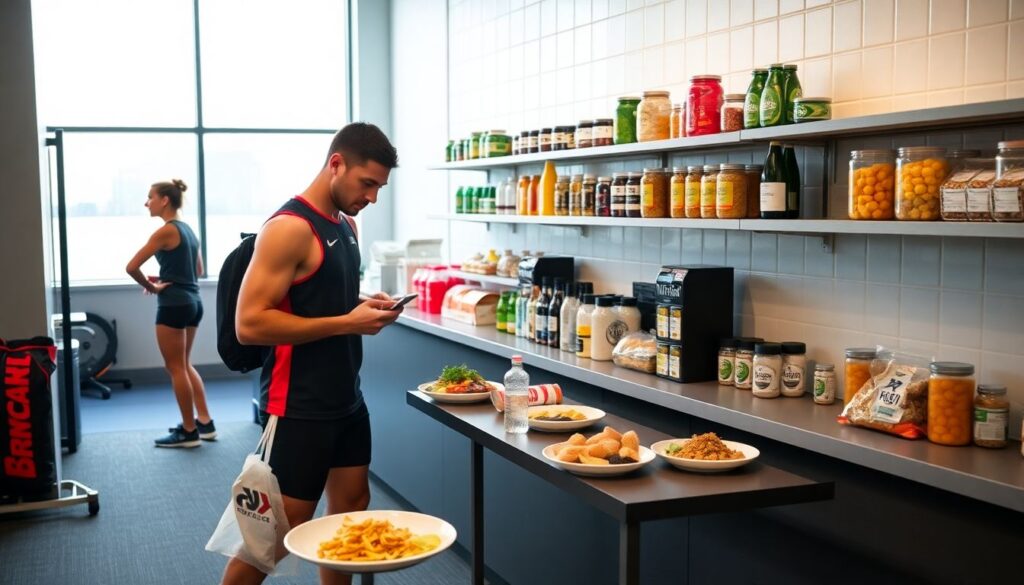
- Endurance athletes: sandwiches, bananas, dried fruit, sports drink powder, nuts, yogurt drinks, pre-portioned rice and chicken boxes.
- Strength/power athletes: ready-to-drink milk or soy beverages, wraps with eggs or chicken, nuts, simple cereal bars, rice and beans in microwave-safe containers.
- Team-sport athletes: shared fruit bowls, sandwiches, simple pasta salads, diluted juice with a pinch of salt when sports drink is unavailable.
Section checklist: turning plans into daily routines
- Choose one main planning style (plate method, snack-chain, batch cook) and apply it consistently for several weeks.
- Keep a small, non-perishable emergency snack in your bag (nuts, bars) for missed meals.
- Schedule weekly shopping and meal prep windows as appointments, not optional tasks.
- Adjust portion sizes and snack frequency stepwise, based on training load and hunger feedback.
Rapid Clarifications for Common Nutrition Challenges
How important is sports nutrition compared with training itself?
Training provides the stimulus, but nutrition determines how well you adapt to that stimulus. Without adequate fuel and recovery nutrition, you may still progress, but more slowly, with higher fatigue, greater injury risk, and less consistency over the season.
Do I need supplements to perform at a high level?
Many athletes perform very well with minimal or no supplements when food, sleep, and training are well managed. Supplements help mainly with convenience and specific deficiencies; their role is secondary to a solid daily diet.
How can I know if I am under-fueling?
Warning signs include persistent fatigue, irritability, poor sleep, frequent illness, reduced training quality, and in some cases weight loss or menstrual disturbances. If these appear, review energy intake and consider professional evaluation, especially in structured high-level programs.
Is fast food always a bad choice for athletes?
Occasional fast food will not ruin performance, but relying on it daily makes it harder to control energy, micronutrients, and digestion. In travel or emergencies, choose options with some protein and carbohydrates, then return to regular patterns as soon as possible.
Can I follow the same nutrition plan as a teammate?
Copying another athlete’s plan is risky because body size, metabolism, sport role, and personal preferences differ. Use others as inspiration but adjust portions, timing, and food choices to your own needs, ideally with individualized guidance.
Is nutrição esportiva para atletas de alto rendimento different from recreational athletes?
The basic principles are similar, but high-performance athletes usually need more precise timing, greater total energy, closer monitoring, and stronger integration with medical and performance teams. Recreational athletes can use the same foundations with more flexibility and less complexity.
When should I seek professional support instead of self-managing?
Seek help if you have a medical condition, large performance goals, significant weight changes, persistent fatigue, or if you feel overwhelmed by conflicting information. Consulting a qualified sports dietitian, including via consultoria de nutrição esportiva online, can prevent trial-and-error mistakes.