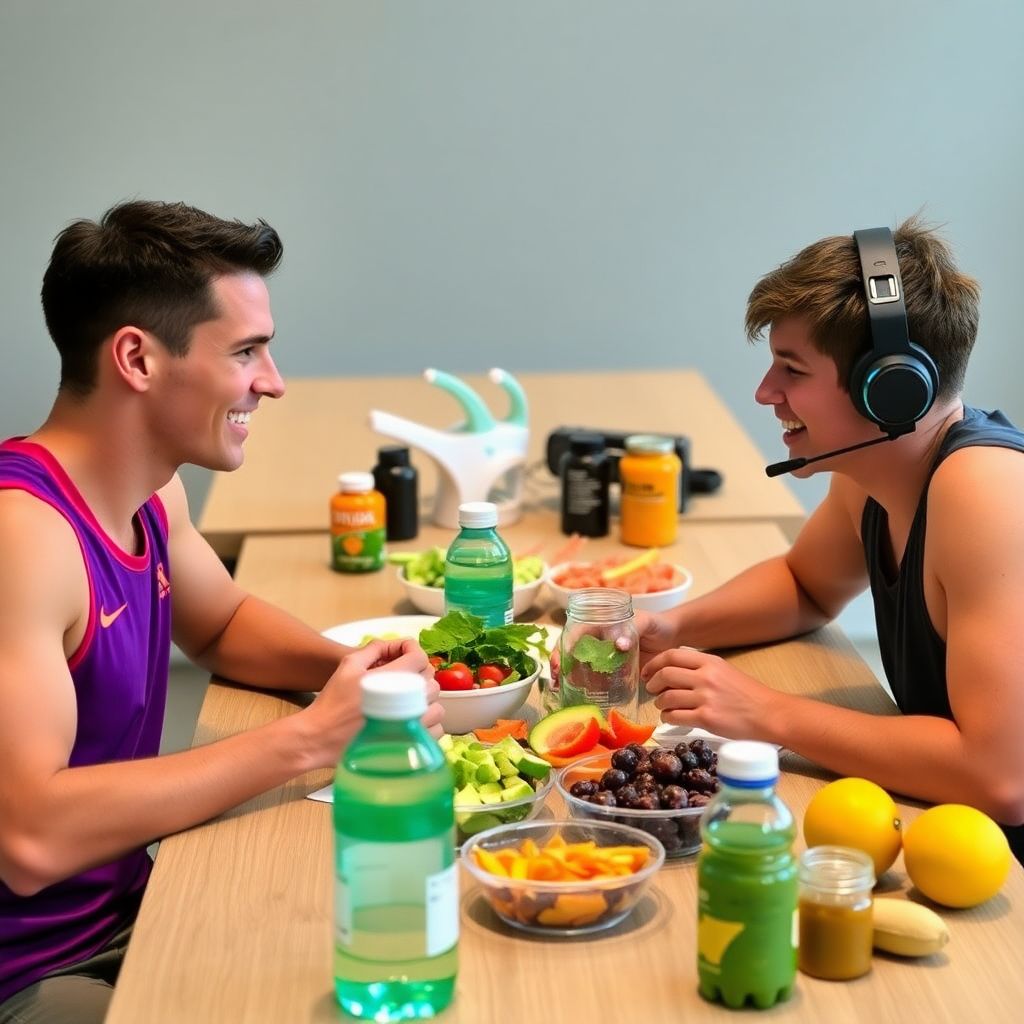
Nutrition for athletes and gamers should prioritize stable energy, sharp focus and fast reflexes using whole foods first, then carefully selected supplements when needed. Balanced carbohydrates, proteins and fats, smart meal timing, hydration and safe stimulants help sustain long sessions, protect long‑term health and support both physical performance and cognitive precision.
Essential Nutritional Principles for Focus, Reflexes and Stamina
- Base your routine on minimally processed foods, adding supplements only to correct gaps or when recommended by a professional.
- Use low‑glycemic carbohydrates and adequate protein to stabilize blood sugar and preserve concentration during long sessions.
- Prioritize sleep and hydration; even mild sleep loss or dehydration quickly impairs reaction time and decision making.
- Avoid chronic use of high‑caffeine products; reserve stronger stimulants for key training blocks or competitions.
- Personalize your plan to your sport or game, body weight, schedule and digestive tolerance rather than copying others.
- Test every pre‑workout or snack strategy in training first, not on match day or during ranked sessions.
- Monitor mood, digestion and sleep; adapt doses and timing if side effects or over‑stimulation appear.
How Macronutrients Shape Cognitive Performance and Reaction Time
This approach suits most healthy intermediate athletes and gamers who want better focus, reflexes and stamina without extreme or restrictive diets. It works for traditional sports and esports, including those seeking the melhor dieta para atletas de alta performance in a practical, sustainable format.
Situations where you should not follow these guidelines on your own include:
- Diagnosed metabolic or hormonal conditions (diabetes, thyroid disorders, eating disorders).
- Kidney or liver disease, or history of bariatric surgery.
- Pregnancy, breastfeeding, or age under 18 without medical supervision.
- Use of prescription stimulants, antidepressants or anti‑anxiety medication without talking to your doctor first.
Macronutrients support performance in distinct ways:
- Carbohydrates: main quick fuel for brain and muscles. Favor oats, brown rice, beans, sweet potato, whole‑grain bread and fruit to avoid sharp energy crashes that slow reaction time.
- Proteins: help muscle repair and stabilize hunger. Lean meats, fish, eggs, Greek yogurt, tofu and beans prevent late‑session fatigue and irritability.
- Fats: essential for hormones and brain structure. Use olive oil, avocado, nuts, seeds and fatty fish, but avoid heavy, greasy meals immediately before play or training.
For Brazilian context, combine foods like rice and beans, cassava, eggs, chicken and fruit to build a strong base for both physical play and high‑intensity gaming.
Micronutrients and Ergogenic Aids That Enhance Neural Speed
Before thinking about vitaminas e nootrópicos para reflexos rápidos, secure the basics: varied colorful vegetables, fruits, legumes, nuts and seeds. These provide most vitamins, minerals and antioxidants required for neural signaling and energy metabolism.
Common nutrients and aids to discuss with a professional include:
- B vitamins and choline: support energy production and neurotransmitter synthesis; often found in whole grains, eggs, liver, meats and legumes.
- Magnesium and zinc: involved in neuromuscular function and recovery; found in nuts, seeds, cocoa, beans and seafood.
- Iron: critical for oxygen transport; deficiency reduces stamina and focus. Red meat, beans with vitamin‑C‑rich foods, and some fortified products help.
- Omega‑3 fats: present in fatty fish (sardines, salmon), walnuts and chia; support brain health and may benefit visual processing.
- Caffeine: classic ergogenic aid for alertness. Safer sources include coffee, tea and some pre‑workouts, but tolerance and side effects vary greatly.
- Creatine: well‑studied for strength; it may also support cognitive resilience in some contexts, but needs individual evaluation.
About suplementos para foco e concentração para gamers, prioritize products that clearly declare caffeine content, avoid proprietary blends with undisclosed doses, and skip any supplement promising extreme results or mixing multiple strong stimulants.
Discuss contraindications with a doctor or sports dietitian if you:
- Have heart, kidney, liver or psychiatric conditions.
- Use medications such as antidepressants, antipsychotics, blood pressure drugs or anti‑seizure medications.
- Have history of arrhythmias, panic attacks or severe anxiety.
Meal Timing and Composition Before Matches or Gaming Sessions
Below is a concise risk and limitation overview before following the step‑by‑step guide.
- Avoid radically changing caffeine intake from one day to the next; this may cause headaches, palpitations, anxiety or excessive drowsiness.
- Test any new pre‑workout, energy drink or large meal far from competitions to check tolerance.
- If you feel chest pain, shortness of breath, strong palpitations, confusion or vision changes, stop activity and seek medical help.
- Do not combine several stimulant products (coffee + energy drink + high‑stim pre‑workout) in a short period.
- People with reflux, gastritis or bowel issues need gentler foods and should avoid copying high‑fiber or very spicy pre‑game meals.
Step‑by‑step guide to set up safe and effective pre‑match or pre‑session nutrition:
- Define the start time and expected duration of play or training.
Identify when your main match, scrim block or training starts and how long it will likely last. Plan your last full meal to finish about 2-3 hours before that time. - Plan a balanced main meal 2-3 hours before.
Choose easily digestible carbohydrates, lean protein and a small amount of healthy fats:- Example 1 (field athlete): rice and beans, grilled chicken, cooked vegetables and a small portion of avocado.
- Example 2 (gamer/esports): pasta with tomato sauce and tuna, plus a piece of fruit.
- Add a light top‑up snack 45-75 minutes before.
Use a small, low‑fat, moderate‑carb snack to prevent hunger without heaviness:- Options: banana, yogurt, a slice of whole‑grain bread with turkey breast, or a small smoothie with fruit and milk or plant drink.
- For sensitive stomachs, prefer low‑fiber fruit or plain crackers.
- Use caffeine and pre‑workouts strategically.
For melhores pré-treinos e energéticos saudáveis para gamers e atletas, choose products with clear labels and moderate caffeine:- Test the chosen dose on a normal training day, at least 1-2 hours before bed, to observe sleep impact.
- Avoid stacking coffee, energy drinks and strong pre‑workouts in the same window.
- Do not mix with alcohol or recreational drugs.
- Manage intra‑session fueling for long durations.
For sessions longer than 90-120 minutes with high intensity or concentration, add simple, small snacks:- Examples: fruit pieces, small cereal bar, yogurt drink, or a small portion of nuts with dried fruit.
- For esports tournaments, use fixed breaks to sip water and eat 2-3 bites of an easy snack rather than a big portion at once.
- Prioritize post‑session recovery within 1-2 hours.
Combine carbohydrates to refill energy and protein to support muscles:- Example 1: rice or pasta with eggs or fish and vegetables.
- Example 2: smoothie with fruit and yogurt, plus a handful of nuts.
- Gamers with late sessions should keep the post‑game meal light to protect sleep quality.
| Meal or product | Typical timing before activity | Expected effect on focus and stamina | Main risks or limitations |
|---|---|---|---|
| Balanced solid meal (rice/beans + lean protein + vegetables) | Finished 2-3 hours before match or gaming | Stable energy, good satiety, supports muscle work and brain function | Too close to start may cause heaviness or reflux, especially with large portions or lots of fat |
| Light carb snack (banana, yogurt, toast) | 45-75 minutes before | Prevents hunger, maintains blood sugar, supports reaction time | Excess fiber or fat may cause bloating in sensitive people |
| Moderate‑caffeine drink (coffee, tea, simple pre‑workout) | 30-60 minutes before | Increased alertness, reduced perceived effort, faster responses | Insomnia, anxiety, palpitations, especially if combined with other stimulants or taken late at night |
| Sugary energy drink with multiple stimulants | Often taken 15-30 minutes before (not recommended as default) | Short‑term arousal and wakefulness | High sugar swings, jitteriness, potential interactions with medications, dependence when used frequently |
| Hydrating beverage with electrolytes | Sipped regularly in the 2 hours before and during activity | Helps maintain fine motor control, prevents headache and drop in focus | Some products are high in sugar or sodium; not ideal for people needing strict sodium control |
Hydration, Electrolytes and Strategies to Maintain Fine Motor Control
Use this checklist to verify whether your hydration and electrolyte strategy is supporting performance instead of harming it:
- You start sessions already hydrated, with clear to light‑colored urine, not dark or strongly odorous.
- You sip water regularly across the day instead of drinking a large volume all at once right before play.
- You adjust total fluid intake upward in hot, humid environments or when using heavy equipment (pads, uniforms, lights that heat the room).
- You include some sodium and potassium in the diet (e.g., lightly salted meals, fruits, vegetables) rather than relying only on sports drinks.
- You choose low‑sugar or diluted sports drinks when high sweating occurs, especially in long outdoor training sessions.
- You avoid drinking so much fluid during play that you feel stomach sloshing or urgent need for the bathroom.
- You monitor signs of under‑hydration: dry mouth, headache, dizziness, difficulty focusing eyes, unusual irritability.
- You avoid mixing strong caffeine with heavy sweating without guidance, as this can further stress the cardiovascular system.
- If you have heart, kidney or blood pressure issues, you discuss sodium and fluid targets with your doctor before making big changes.
- After long sessions, you slowly rehydrate over the next hours instead of chugging excessive amounts at once.
Practical Meal Plans and Snack Protocols for Training and Long Sessions
Even with a good plano alimentar personalizado para atletas e esportes eletrônicos, certain recurring mistakes undermine progress. Avoid the following:
- Skipping breakfast or first meal: starting intense training or ranked games fasted often leads to mid‑session crashes, overeating later and worse decision‑making.
- Relying almost only on ultra‑processed snacks: chips, candies and instant noodles as main fuel reduce micronutrient intake and usually destabilize energy.
- Eating huge meals right before playing: big portions, especially high‑fat feijoada, burgers or pizza, divert blood to digestion and slow reflexes.
- Using only energy drinks as a focus strategy: chronic use masks fatigue, harms sleep and increases anxiety and heart strain.
- Ignoring protein at snacks: carb‑only snacks every time tend to increase hunger swings and reduce recovery.
- Copying bodybuilder cutting or bulking diets: extreme low‑carb or ultra‑high‑calorie plans usually impair concentration and health for esports and field sports alike.
- Under‑eating on light training or scrim days: consistently low intake reduces adaptation, muscle maintenance and mental resilience.
- Experimenting with new foods on competition day: unfamiliar dishes or supplements can cause digestive surprises at the worst possible time.
- Neglecting vegetables and fruits: minimal plant intake lowers fiber and key vitamins that support immune and brain health.
- Not planning snacks for travel or LAN events: arriving with no options increases the chance of grabbing only fast food or sugary products available at venues.
Monitoring, Testing and Personalizing Nutrition Based on Response
Different strategies work for different people; personalization is essential. Consider these safe alternatives and when they are suitable:
- Food‑first approach with minimal supplementation: ideal for most healthy intermediates who have access to varied foods and regular meal times; focus on home‑cooked meals, simple snacks and moderate caffeine from coffee or tea.
- Structured plan with targeted supplements: useful for high‑level competitors or very busy professionals who cannot meet needs with food alone; may include creatine, omega‑3, vitamin D or specific mineral supplements under professional guidance.
- Low‑stimulant protocol for anxious or sensitive individuals: emphasizes sleep hygiene, hydration, balanced meals and perhaps very low doses of caffeine or none at all, avoiding strong pre‑workouts and heavy energy drinks.
- Medical‑supervised strategy for people with conditions: mandatory for those with chronic illnesses or complex medication regimens; all changes, including so‑called natural vitaminas e nootrópicos para reflexos rápidos, must be cleared by the healthcare team.
Whatever path you choose, track simple markers each week: sleep quality, mood, bowel habits, training logs, perceived focus in games, and any side effects from supplements or pre‑workouts. Adjust one variable at a time, not everything at once, to clearly see what helps or harms your performance.
Practical Concerns on Diet, Safety and Performance
Can I use strong pre‑workout supplements every day for focus in games?
Daily use of strong pre‑workouts is not recommended. Over time, tolerance, dependence, sleep disruption and cardiovascular strain may appear. Reserve higher doses for specific key sessions and discuss long‑term use with a qualified professional.
Are energy drinks safe for teenagers who game for many hours?

High‑caffeine energy drinks are risky for teenagers, especially in large amounts or combined with little sleep and long gaming sessions. Safer alternatives are water, milk, natural fruit juice in moderation and good sleep habits, supervised by parents and healthcare providers.
How do I know if a supplement interacts with my medication?
Always show the full list of supplements to your doctor or pharmacist before starting. Pay special attention if you take medications for heart, blood pressure, mood, seizures or attention, as stimulants and some herbs can alter their effect.
Is intermittent fasting a good strategy for athletes and gamers?
Some people adapt well, but for high‑intensity sports or mentally demanding long gaming sessions, long fasting windows often reduce performance. If you wish to try it, do so only in off‑season or low‑stakes periods and under professional monitoring.
Do I really need a personalized meal plan, or can I just follow general tips?
General guidelines help, but a plano alimentar personalizado para atletas e esportes eletrônicos adjusts portions, timing and food choices to your schedule, body composition goals and health status. It is especially useful for advanced competitors or those with digestive or medical issues.
Can I replace all solid meals with shakes for convenience?
Using shakes occasionally is practical, but replacing nearly all meals can reduce chewing, fiber intake and variety of nutrients. Prefer real food for most meals and keep shakes as a backup option when time or access is limited.
What is more important: supplements or sleep for better reflexes?
Sleep quality is more important. No supplement compensates for chronic sleep deprivation, which quickly harms reaction time, learning and mood. Use supplements only as a complement to, not a substitute for, consistent, restorative sleep.