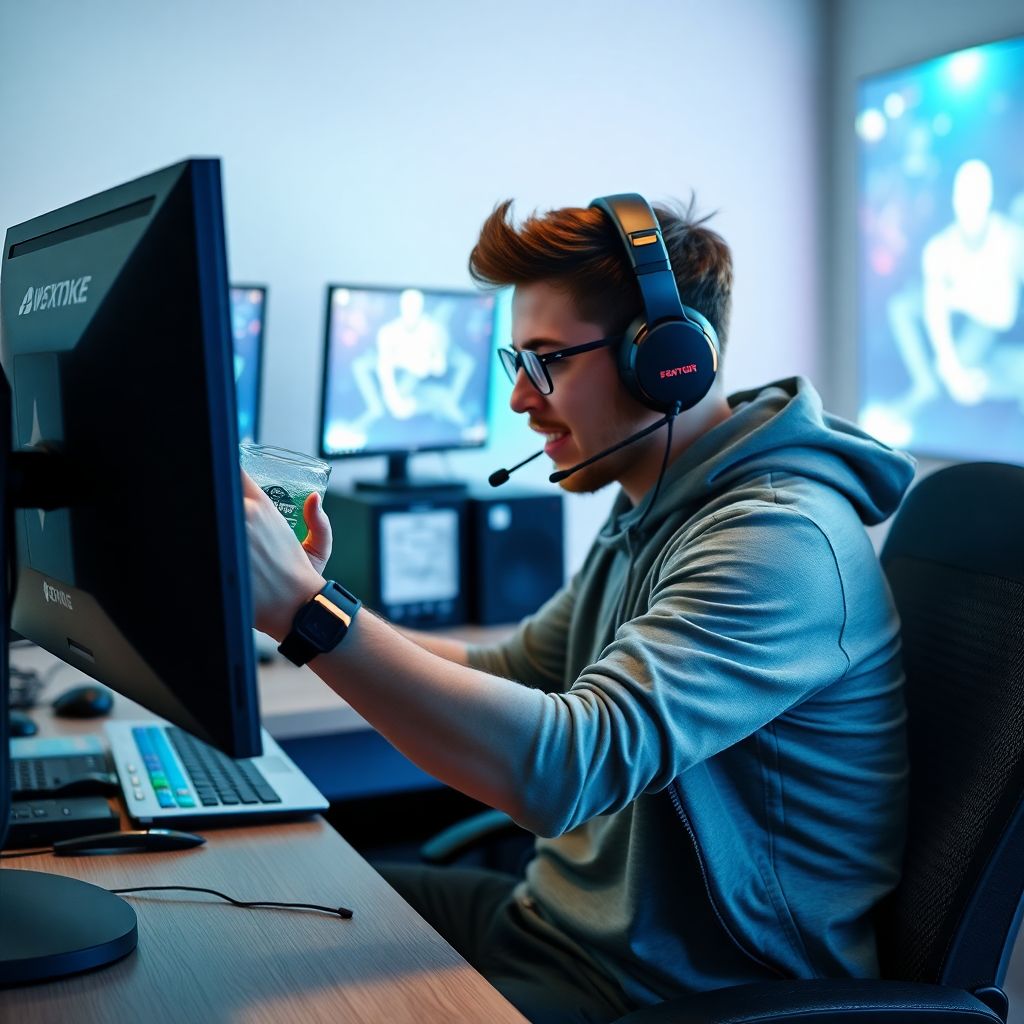
To build real saúde para gamers profissionais, combine ergonomic setup, steady hydration, simple home workouts, and strict sleep hygiene. Small, consistent habits beat extreme routines. Focus on posture, low-sugar meals, short mobility breaks, mental resets between matches, and early pain signals in eyes, wrists, and neck to prevent injuries and burnout.
Core Performance Strategies for Competitive Gaming
- Lock in an ergonomic, pain-free setup tuned to your height and chair, not just to camera framing.
- Use a basic daily plan for treino e alimentação para jogadores profissionais de games with regular water intake.
- Include 10-20 minutes of targeted exercises to boost reflexes and stabilize posture.
- Protect reaction time with consistent sleep windows and short, timed naps.
- Install simple focus and breathing routines for stress spikes during ranked or tournament play.
- Schedule micro-care for eyes, hands, neck, and wrists every 60-90 minutes of continuous play.
- Track any persistent pain or tingling and seek professional help early, not after it blocks practice.
Ergonomics and Setup for Long Streaming and Tournament Sessions
This section is ideal for players and streamers who sit 3+ hours per day and want quick, low-cost upgrades in ergonomia e postura para jogadores de e-sports. Skip any posture changes that cause sharp pain, dizziness, or numbness; in those cases, stop and see a health professional before continuing.
Essential positioning rules
- Chair height: feet flat on the floor, knees near 90 degrees, hips slightly higher than knees.
- Back support: lower back touching the chair backrest; keep a small natural curve, not a rigid “straight line”.
- Monitor level: top of the screen at or slightly below eye level, roughly arm’s length away.
- Keyboard and mouse: elbows close to the body, shoulders relaxed, wrists neutral (not bent up or down).
Streaming-friendly camera and desk tweaks
- Raise camera independently of monitor using a small tripod or arm, so posture is optimized first, frame second.
- Keep the desk clear in the primary arm path to avoid constant micro-collisions when aiming or flicking.
- Use a large, low-friction mousepad to allow forearm movement instead of only wrist movement.
60-90 minute maintenance loop
- Stand up for 2-3 minutes: walk around the room or on the spot.
- Open chest: interlace fingers behind your back, gently open shoulders for 20-30 seconds.
- Neck reset: gentle side-to-side and nodding movements, no sudden or forceful twists.
- Finger and wrist mobility: slow circles, open-close fists, gentle forearm stretches.
Micro troubleshooting: posture and setup
- Symptom: Upper back or neck burning after 1-2 hours.
Fix: Lower your monitor slightly, bring chair closer, and relax shoulders; add a 2-minute shoulder roll break every 45-60 minutes.
Seek help: If pain persists for several days or worsens with rest. - Symptom: Wrist pain when clicking or tapping keybinds.
Fix: Raise chair or lower desk so wrists stay neutral; reduce mouse DPI or key actuation force if possible.
Seek help: If you feel tingling, weakness, or pain at night.
Daily Nutrition and Hydration Plan for Cognitive Endurance
For consistent focus and energy, you do not need complex diets; you need structure. This section outlines a simple, safe template for treino e alimentação para jogadores profissionais de games that works for most adults. If you have medical conditions (diabetes, kidney, heart, or gut issues), always align changes with your doctor or nutritionist.
Basic tools and preparation
- Reusable water bottle kept at your desk, plus a reminder (phone or break timer) every 45-60 minutes.
- Access to simple, low-prep foods at home: fruit, nuts or seeds, yogurt, eggs, oats, rice, beans, lean protein, and vegetables.
- Containers for pre-portioning snacks to avoid endless, unconscious eating during long queues or editing sessions.
- If you travel for LANs: shaker or small container for nuts, and easy non-perishable snacks in your backpack.
Hydration rhythm for long sessions
- Start your day with a glass of water before coffee or energy drinks.
- Sip water regularly instead of chugging large amounts at once to avoid discomfort while playing.
- Limit high-sugar drinks during intense scrims; they cause fast spikes and crashes in energy.
- For late tournaments, reduce total fluid intake in the last hour to minimize urgent bathroom breaks mid-series.
Simple daily eating outline
- First meal: Protein + slow carbs + some healthy fat (for example: eggs with oats and fruit, or yogurt with granola and nuts).
- Pre-scrim or pre-stream meal (60-90 minutes before): Easy-to-digest carb focus (rice, pasta, bread, fruit) plus a moderate portion of protein.
- In-session snacks: Fruit, nuts, yogurt, or a small sandwich instead of chips and sweets.
- Post-session meal: Balanced plate with vegetables, protein, and carbs to support overnight recovery.
Micro troubleshooting: food and focus
- Symptom: Sleepiness after meals during ranked grind.
Fix: Reduce portion size, especially heavy fats; favor smaller, more frequent meals.
Seek help: If extreme drowsiness happens after almost every meal, even small ones. - Symptom: Headaches and brain fog late in the day.
Fix: Check that you are drinking water consistently and not skipping meals; reduce ultra-processed snacks.
Seek help: If headaches are strong, frequent, or accompanied by visual changes.
Short, High-Impact Exercise Routines for Reflexes and Posture
Here is how to usar dicas de fitness para streamers e pros in a safe, time-efficient way. These short routines require minimal space and no equipment, and they are designed to show you como melhorar desempenho nos games com exercícios físicos without interfering with your scrim blocks or content schedule.
-
Warm up your joints (3-5 minutes)
Move from head to toe with slow, comfortable ranges of motion.- Neck: gentle nods and slow turns; stop if you feel sharp pain or dizziness.
- Shoulders: slow circles forward and backward with relaxed arms.
- Wrists, hips, knees, ankles: small circles and bends, no bouncing.
-
Stabilize your core for steady aim (4-6 minutes)
Focus on low-intensity exercises that teach your body to stay stable in the chair.- Front plank on elbows or hands: hold 15-30 seconds, rest, repeat 3 times.
- Dead bug on the floor: lying on your back, move opposite arm and leg slowly, 6-10 reps per side.
-
Strengthen upper back for posture (4-6 minutes)
This counters the rounded “gamer back” and supports breathing and camera presence.- Wall slides: back against a wall, slide arms up and down like a goalpost, 8-12 reps.
- Band pull-aparts (if you have a resistance band): pull band apart at chest height, 10-15 reps.
-
Train legs and circulation (4-6 minutes)
Strong legs make long days less tiring and improve blood flow.- Bodyweight squats to a chair: 8-12 reps, 2-3 sets, with full control and no knee pain.
- Calf raises: holding a wall or chair, lift heels slowly and lower, 10-15 reps.
-
Hand, wrist, and forearm care (3-5 minutes)
Keep these movements slow and pain-free, never forceful.- Open-close fist: squeeze gently for 3 seconds, then open wide, 10-15 times.
- Forearm stretch: palm down, gently pull fingers toward you, hold 15-20 seconds per side.
- Finger extension with rubber band (if available): open fingers against light resistance.
-
Breathing cooldown (2-3 minutes)
Sit or lie comfortably and practice slower, deeper breaths.- Inhale through the nose for about 4 seconds, exhale through the mouth for about 6 seconds.
- Repeat for a few cycles until your heart rate and tension feel lower.
Fast Track Mode: 10-Minute Minimum Routine
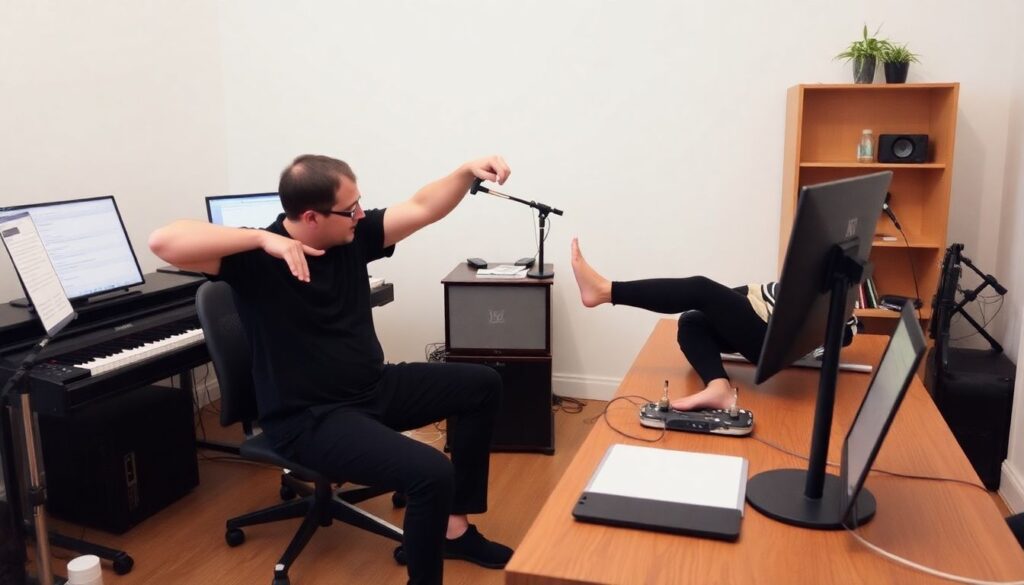
- 1 minute: joint circles for neck, shoulders, and wrists.
- 3 minutes: alternating planks and dead bugs with short rests.
- 3 minutes: chair squats plus calf raises at a comfortable pace.
- 2 minutes: forearm stretches and finger mobility.
- 1 minute: slow breathing before you sit back down to play.
Micro troubleshooting: exercise and performance
- Symptom: Soreness that blocks normal movement the next day.
Fix: Cut total sets in half and move slower; keep at least one rest day between harder sessions.
Seek help: If pain is sharp, swelling appears, or you cannot bear weight. - Symptom: No improvement in posture or fatigue after weeks.
Fix: Track sessions, increase consistency to at least 3 days per week, and combine with ergonomic changes.
Seek help: If fatigue is extreme or paired with shortness of breath or chest discomfort.
Sleep Scheduling and Nap Protocols to Maximize Reaction Time
Sleep is one of the most powerful tools for saúde para gamers profissionais, especially across different tournament time zones. Use this checklist to confirm whether your current routine really supports peak reaction time, memory, and mood under pressure.
- You maintain a consistent sleep window on most days (for example, within a 1-hour range for bedtime and wake time).
- You avoid heavy meals and intense physical exercise in the last hour before going to bed.
- You reduce bright screens and stimulating content 30-60 minutes before sleep, or at least lower brightness and blue light.
- You keep your bedroom dark, quiet, and cool enough to be comfortable for several hours.
- You fall asleep within a reasonable time without relying on alcohol or unprescribed substances.
- If naps are needed, you keep them short (around 20-30 minutes) and avoid napping too late in your day.
- You schedule at least one full rest day or light-practice day each week to recover from accumulated sleep debt.
- Before important matches, you adjust your sleep schedule gradually over several days, not with one extreme all-nighter.
- You wake up feeling reasonably refreshed more often than not, even during packed scrim or streaming weeks.
- You immediately seek medical advice if you experience loud snoring, choking during sleep, or constant daytime sleepiness.
Micro troubleshooting: sleep and reaction time
- Symptom: Constant late-night overthinking about performance.
Fix: Add a 10-minute “brain dump” on paper earlier in the evening and a fixed pre-sleep routine.
Seek help: If worry keeps you awake most nights. - Symptom: Feeling slower and irritable during scrims.
Fix: Protect a full night of sleep plus a short pre-scrim nap if your schedule allows.
Seek help: If mood changes are strong, persistent, or affecting daily life.
Stress Control, Focus Training and In-Game Mental Routines
High-pressure lobbies and live audiences amplify stress. This section shows how to build simple mental routines that fit naturally into queues, loading screens, and tactical timeouts, without complicated psychology jargon.
Frequent mental performance mistakes
- Ignoring stress signals until you tilt, instead of noticing early signs like shallow breathing or jaw clenching.
- Using only “try harder” self-talk when nervous, instead of specific cues like “eyes on crosshair” or “check minimap”.
- Reviewing only mechanical errors and never asking what you felt or thought during critical rounds.
- Playing back-to-back ranked or scrim blocks with no mental reset between them.
- Comparing every bad game to others’ highlight clips, especially for content creators who stream their own mistakes live.
- Using music or caffeine as the only focus tools, instead of training simple breathing and attention skills.
- Having no “post-loss” routine to reset before the next queue or segment of a tournament.
Simple mental routine template
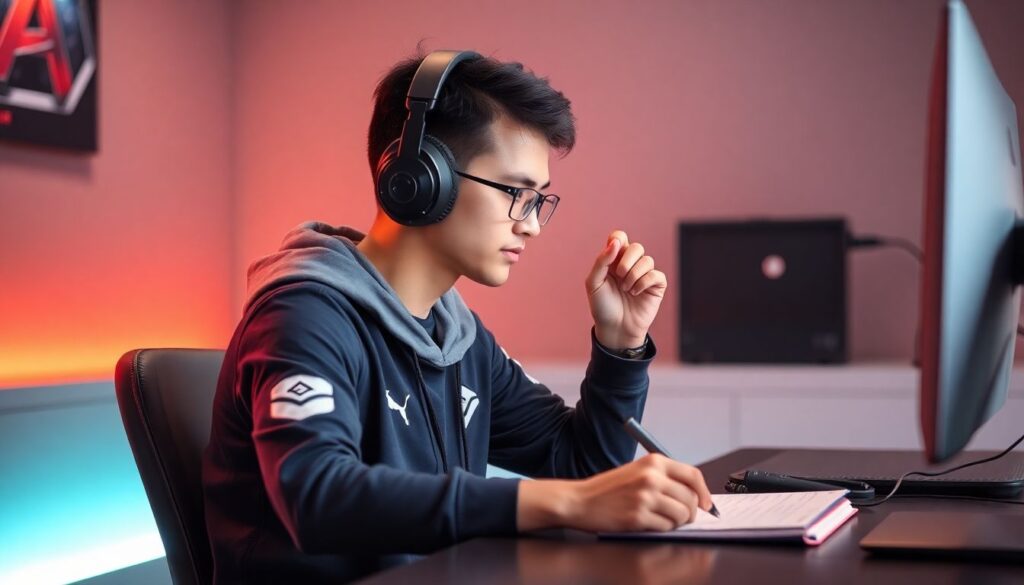
- Pre-match (1-2 minutes): 5 slow breaths, one performance cue (for example “discipline on utility”), and one small goal.
- During pauses: Quick posture check, one breath, one specific adjustment (for example “anchor crosshair at head height”).
- Post-match: 30-60 seconds to note one thing that went well and one thing to improve, then disconnect mentally.
Micro troubleshooting: stress and focus
- Symptom: Shaky hands and racing heart in clutch situations.
Fix: Practice slow exhale breathing off-stream and use one cue word before key rounds.
Seek help: If panic symptoms appear often or outside of games. - Symptom: Chronic tilt, flame, or conflicts with teammates.
Fix: Add a strict rule to pause queues after two bad losses and insert a short walk or stretch.
Seek help: If anger spills into daily life or relationships.
Prevention and Rapid Recovery: Eyes, Hands, Neck and Wrist Care
For gamers and streamers, most injuries start small. This section offers safe alternatives for different contexts, so you can prevent issues and support rapid recovery without guessing, while still respecting medical limits.
Option 1: Home-based micro-care between matches
- Every 45-60 minutes, look away from the screen at a distant point for 20-30 seconds.
- Gently blink several times and use artificial tears if recommended by your eye specialist.
- Do light wrist and neck mobility, always staying away from pain.
Option 2: Office or team facility routines
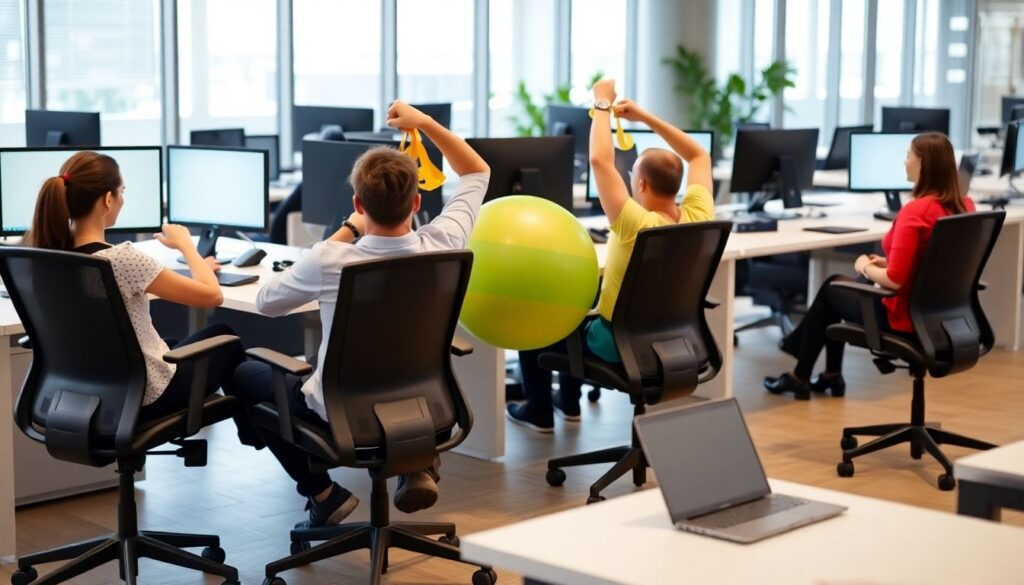
- Use adjustable chairs and monitors and agree on team-wide break times.
- Keep simple tools like a soft stress ball or light resistance band for hand and shoulder work.
- Rotate roles or tasks slightly (review, coaching, admin work) on light recovery days when possible.
Option 3: Travel and tournament environment
- Carry lubricating eye drops prescribed or approved by your eye doctor, especially in dry or air-conditioned venues.
- Use a small travel pillow or rolled towel for neck support in long rides or flights.
- Schedule mini-walks and gentle stretches in the venue corridors between matches.
Option 4: Professional rehabilitation and medical support
- Consult a physiotherapist, sports doctor, or hand specialist for persistent pain, tingling, or weakness.
- Follow prescribed rehab exercises exactly and report any increase in symptoms early.
- Align scrim, content, and travel schedules with medical advice to avoid setbacks.
Micro troubleshooting: early injury signs
- Symptom: Mild but repeating discomfort after gaming days.
Fix: Add more frequent micro-breaks, reduce total daily hours temporarily, and adjust ergonomics.
Seek help: If symptoms return quickly or progress. - Symptom: Numbness, tingling, or weakness in fingers or hands.
Fix: Stop high-intensity grinding and remove any extreme wrist angles in your setup.
Seek help: As soon as possible, as these can be early signs of nerve compression.
Quick Answers to Common Performance Challenges
How can I balance fitness and long streaming hours?
Anchor a 10-20 minute exercise block right before or after your main stream, then add 2-3 micro-breaks with stretches during longer sessions. Treat this as part of your content schedule, not “extra”, and use simple, repeatable routines.
What is the safest way to start exercising if I never trained before?
Begin with low-impact, bodyweight movements and short sessions, focusing on comfortable ranges of motion. If you have any medical conditions or past injuries, clear your plan with a health professional before increasing volume or intensity.
How often should I take breaks during ranked or scrim blocks?
As a practical rule, stand up and move briefly every 60-90 minutes of continuous play. During high-stress days or when pain appears, shorten this to about every 45-60 minutes to protect posture, eyes, and hands.
Do I need special equipment for gamer-specific workouts?
No, most benefits come from consistent bodyweight work and simple tools like a mat, a resistance band, or a chair. Add more equipment only if it helps you stay consistent or if a coach or physiotherapist recommends it.
How can I reduce caffeine without killing my focus?
Lower your total daily caffeine gradually and shift more of it to earlier in the day. Support focus with better sleep, regular meals, hydration, and short movement breaks, which all stabilize energy without extra stimulants.
What should I do if pain already affects my gameplay?
Pause high-intensity training and identify which movements or positions trigger it. Adjust your setup, reduce total hours, and schedule a medical evaluation; playing through pain for weeks usually makes recovery slower and harder.
Can I still perform well with a night-owl schedule?
Some players adapt to later hours, but performance is more stable with a consistent sleep window and enough total sleep. If tournaments often run earlier than your normal schedule, gradually shift your bedtime in the days before events.